Transportation
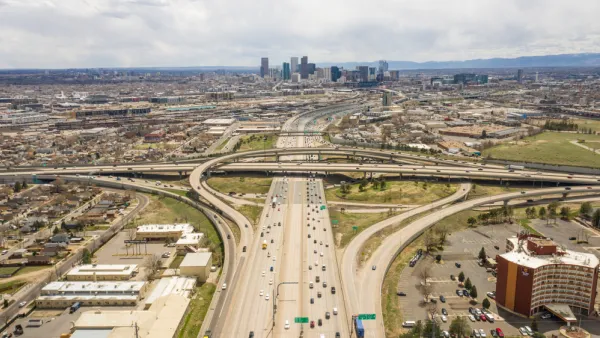
Colorado Emissions Reduction Plan Ties Sustainable Transportation to State Funding
The state’s Greenhouse Gas Planning Standard uses tangible financial penalties to prioritize transportation projects that reduce emissions.
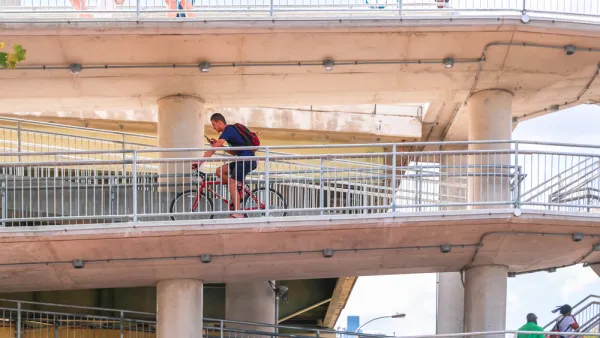
The Bicycle as Economic Lifeline
For many low-income households, bikes offer an affordable way to access more destinations and economic opportunities.
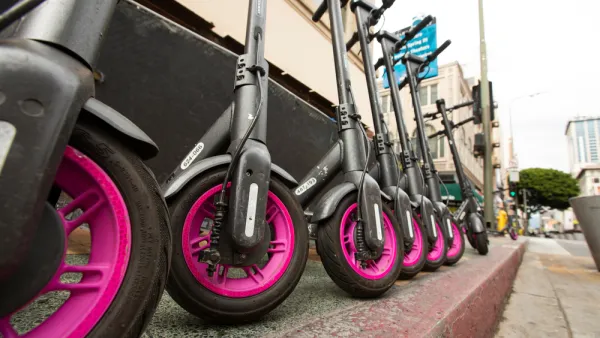
Lyft Shifting to Docked E-Scooters
After failing to deliver on promises of frictionless, free shared mobility, the operator will begin docking its scooters at stations to reduce sidewalk obstructions and eliminate the need to collect scooters for recharging.
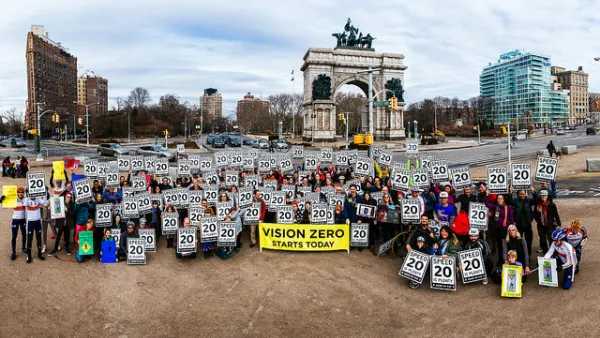
Federal Initiative Calls for Action on Roadway Safety
Close to 50 governmental and nongovernmental organizations signed on to a pledge to take concrete action to reduce traffic deaths around the country.
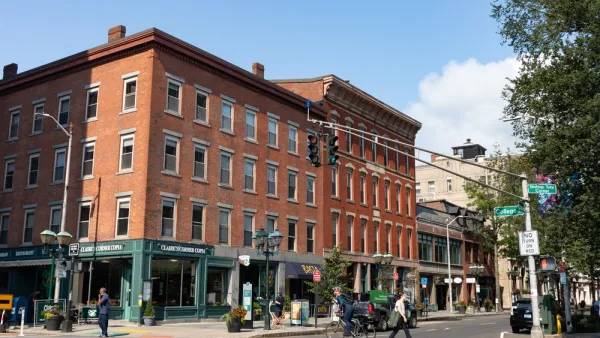
Opinion: Connecticut Vision Zero Bill A Step in the Right Direction
The proposed legislation could energize efforts to eliminate fatal crashes and fix the structural flaws that make roads inherently more dangerous.
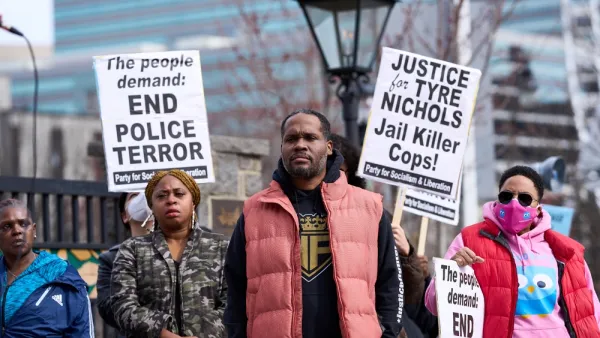
Memphis: Crime-fighting Camera Sheds Light on Police Abuse
The irony is unmistakable. Public surveillance cameras, long controversial in the criminal justice community, provided pivotal video footage of the beating of motorist Tyre Nichols by five Memphis police officers at a traffic stop on January 7.
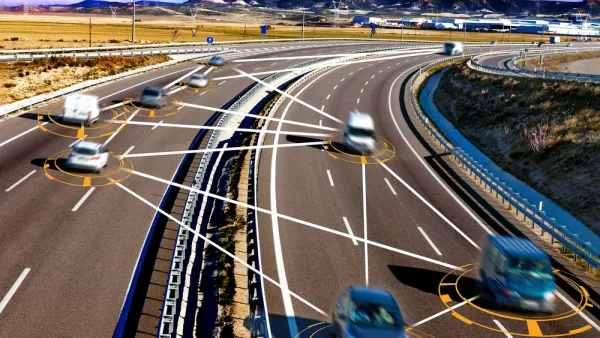
How Autonomous Cars Could Impact Energy Use
The complex algorithms used by self-driving vehicle technology use massive amounts of energy, which could lead to a steep rise in carbon emissions as autonomous cars become more commonplace.
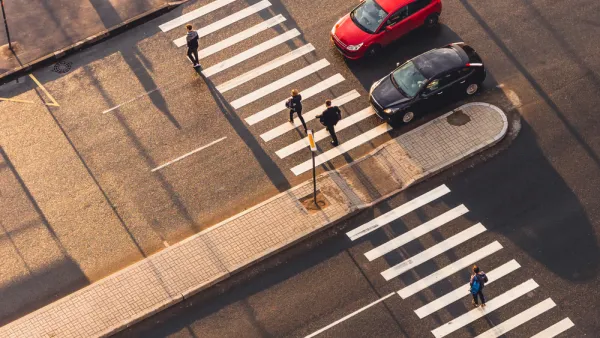
Safe Streets Grants Announced
The federal Safe Streets and Roads for All program funds planning and implementation for road safety projects aimed at reducing traffic deaths and building safe infrastructure for pedestrians, cyclists, and other vulnerable road users.
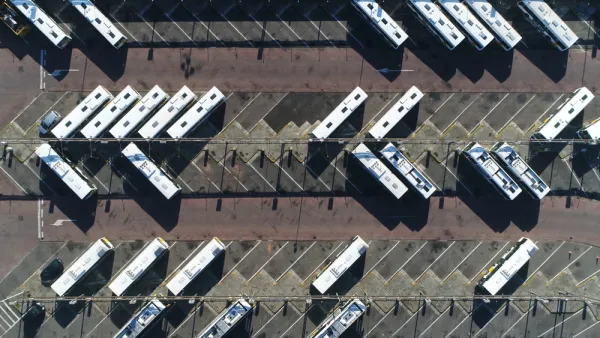
U.S. Transit Agencies Face a Financial Crisis
Transit providers around the country are scrambling to find new sources of revenue to replace lagging ridership and reorienting their systems to a future less dependent on daily commuters.
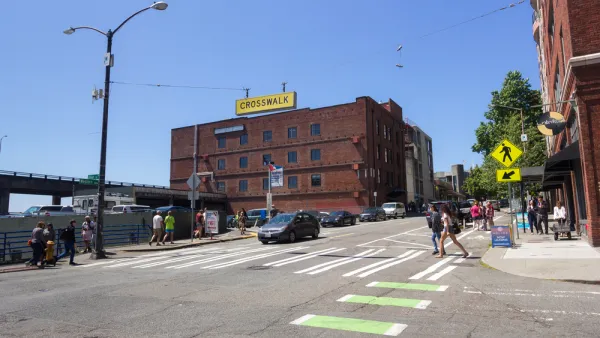
Washington Focuses Road Safety Efforts on Individuals, Neglecting Design
Legislative efforts to reduce traffic deaths could move the needle toward Vision Zero, but state leaders failed to commit infrastructure funds to making structural improvements.
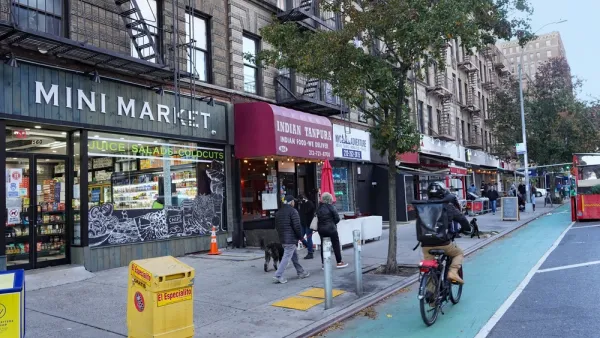
Bike Lanes Are Good for Business. Why Don’t Business Owners Believe It?
Proposed bike lanes often come up against opposition from local merchants who believe losing street parking will hurt their business, but research repeatedly shows the opposite effect.
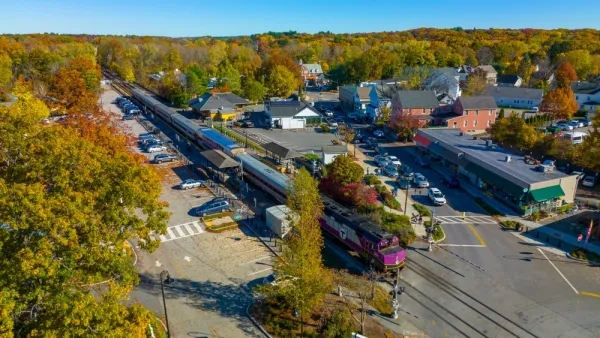
Massachusetts Zoning Reform Law Reaches First Deadline
Cities and towns had until January 31 to submit their draft plans for rezoning areas near transit stations to comply with a new state law.
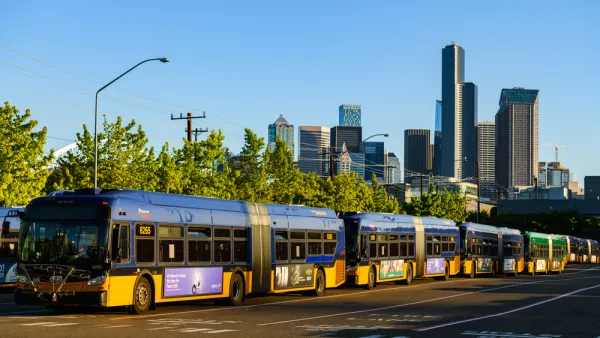
Seattle Brings Free Transit to Public Housing
Linking transit programs to housing can lower administrative costs and streamline the process for riders.
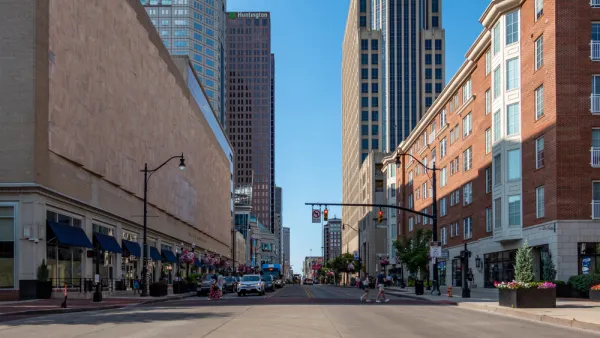
Columbus Could Lower Downtown Speed Limits
The city council will vote on a proposal to lower speed limits to 25 miles per hour to improve safety and make downtown more walkable and welcoming to pedestrians.
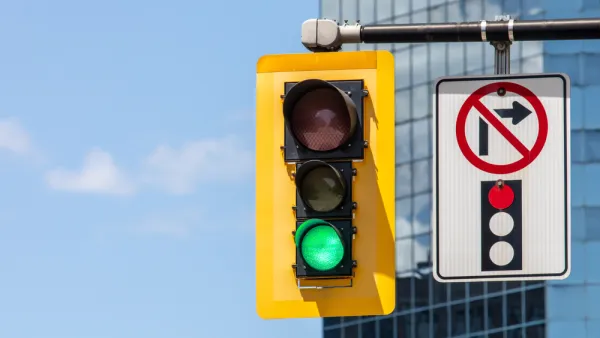
Traffic Safety Bills Proposed in Washington’s State Legislature
As traffic fatalities continue to climb in Washington and around the country, three proposed state bills would prohibit some right turns on red, reduce the BAC limit for DUI arrests, and require more young drivers to take driver’s education courses.
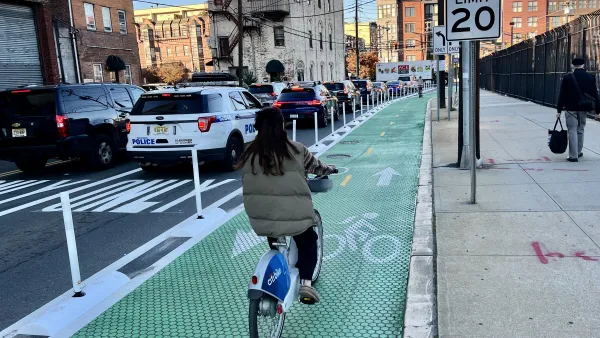
America’s Best New Bike Lanes
PeopleForBikes highlights some of the most exciting new bike infrastructure projects completed in 2022.
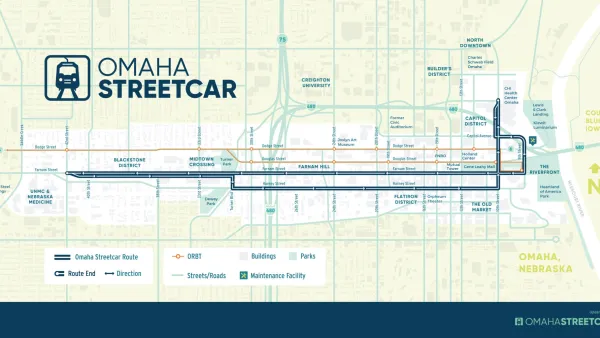
Warren Buffett, Streetcar Skeptic
Warren Buffett, bus service supporter?
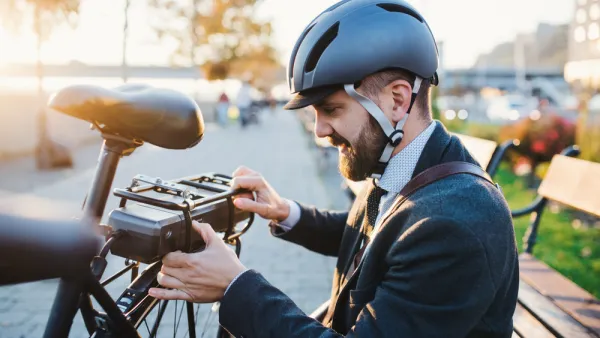
Proposed D.C. E-Bike Subsidy Packs an Economic Punch, Analysis Finds
A proposed rebate on electric bikes in the District would be more cost-effective in reducing gasoline miles driven than electric car subsidies thanks to the higher elasticity of e-bike demand.
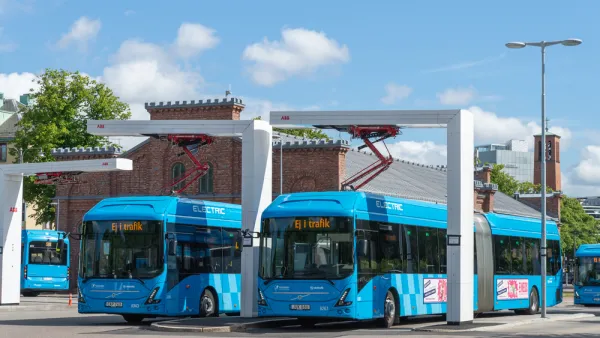
New Round of Federal Clean Transit Funding Announced
Two federal grants will award close to $1.7 billion to state and local agencies to replace aging transit fleets and boost workforce development initiatives.
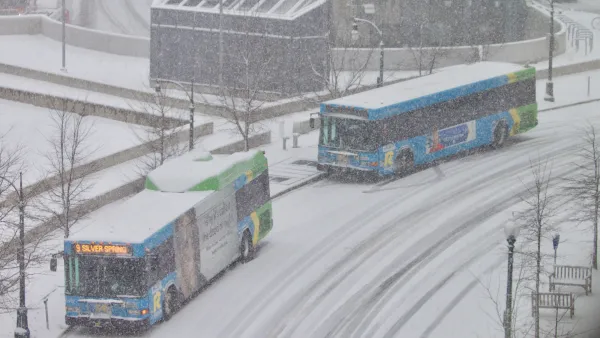
Increased Service, Employer Tax Breaks Entice Transit Ridership in Montgomery County
Montgomery County, Maryland transit planners are hoping workers returning to the office in 2023 will rediscover the benefits of a public transit commute.

FREE Course: Walkable City 1: Why Walkability?
After describing his path towards focusing on walkability as the essence of good planning, Jeff Speck marches through his five principal reasons for making more walkable places.
Reinventing Malls: Planning Alchemy—Turning Gray Fields Into Gold
The course focuses on the opportunities and imperatives that shape reinvention of mall sites.

City of Rosemead
Rutgers University, Edward J. Bloustein School of Planning and Public Policy
One Hundred Miles
University of Michigan School for Environment and Sustainability (SEAS)
Hunter College, City University of New York (CUNY)
The Architects Foundation
City of Cambridge
The Pocatello Development Authority
The Urban Renewal Agency of the City of Pocatello









