Transportation
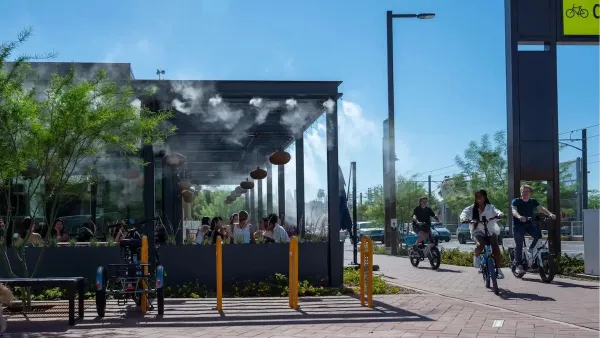
Car-Free Arizona Suburb Gains Residents
The project, dubbed Culdesac, offers EV rentals, free light rail passes, and other perks instead of private parking.

Traffic Deaths Rise Sharply on Western Roads
The region is seeing higher rates of road deaths in part due to larger vehicles, high speed limits, and inadequate pedestrian infrastructure.
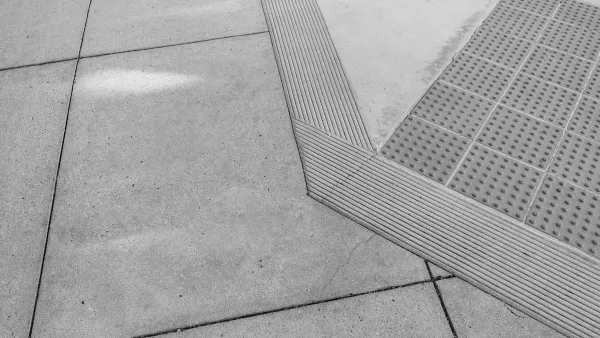
Understanding Accessibility in the Public Right-of-Way
A ‘best practices’ manual guides accessibility on streets and sidewalks, but remains legally unenforceable.
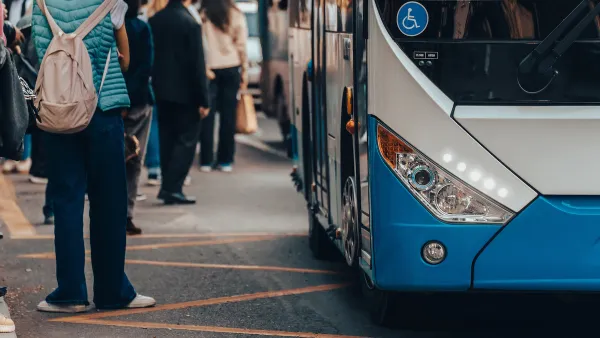
Responding to Public Transit Criticism
Public transit plays a unique and important role in an efficient and equitable transportation system. Planners must communicate the benefits that public transit provides and respond to ill-informed critics.
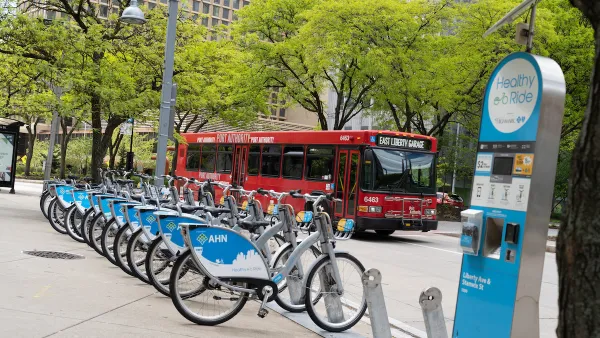
Micromobility Operators Call for Better Links to Transit
For shared mobility to succeed, systems must tap into the connectivity and funding potential offered by closer collaboration with public transit.
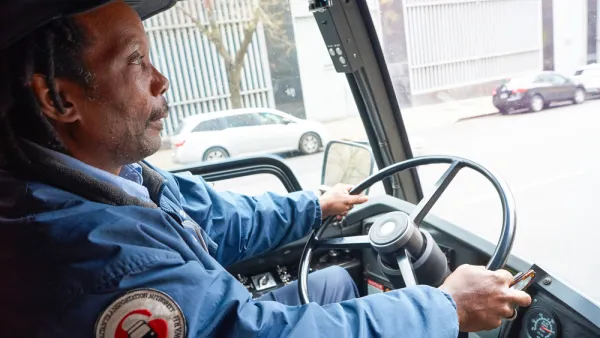
Retaining Transit Workers Is About More Than Wages
An analysis of California transit employees found a high rate of burnout among operators who face unpredictable work schedules, high housing costs, and occasional violence.
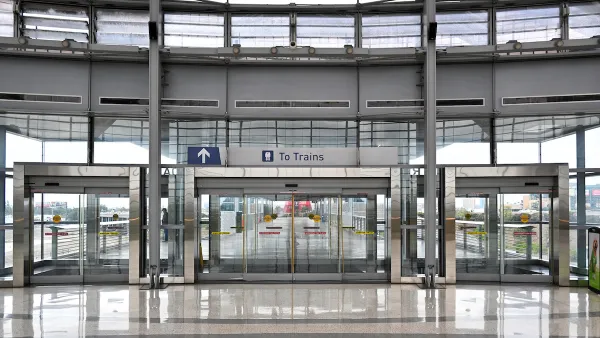
Transit Coordination Leads to Better Transit and More Riders
Regional transit coordination provides the best transit experience in an urban area. It enables better, more affordable transit which in turn improves ridership. After 50 years of experience in Europe, the U.S. should finally embrace the concept.
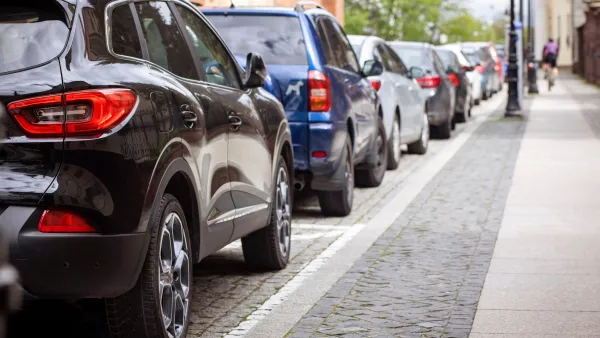
Rethinking the Notion of Parking as a Public Good
Parking shapes every element of the urban environment, often to the detriment of a place. Why do we subsidize public parking as a public good, and how can we move forward?
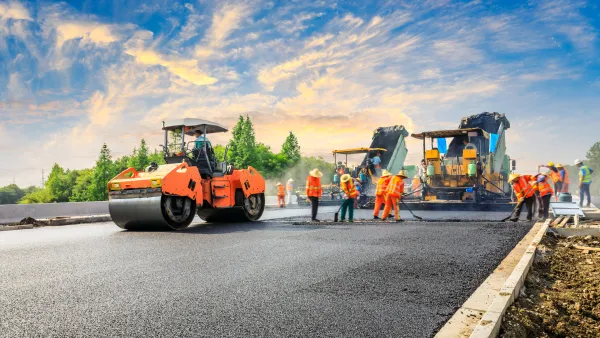
Bipartisan Infrastructure Bill Funds Have ‘Overwhelmingly’ Gone to Highway Projects
A new report says states are creating a “climate time bomb” by spending more than half of federal infrastructure dollars on highway resurfacing and expansion over transit and passenger rail.

Federal Office Conversion Program Slow to Start
To date, no loans have closed through a federal program meant to spur office-to-residential conversions.
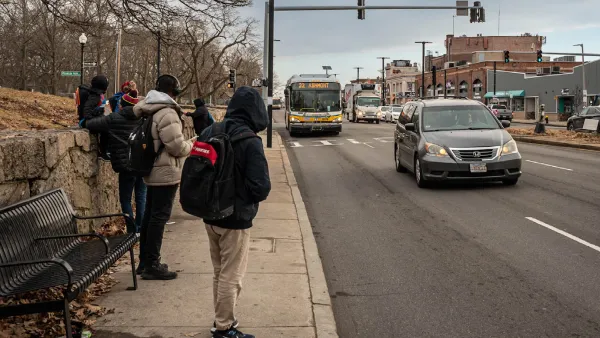
Boston’s Blue Hill Avenue to Get BRT, Safety Improvements
The key bus corridor serves over 37,000 bus riders daily.
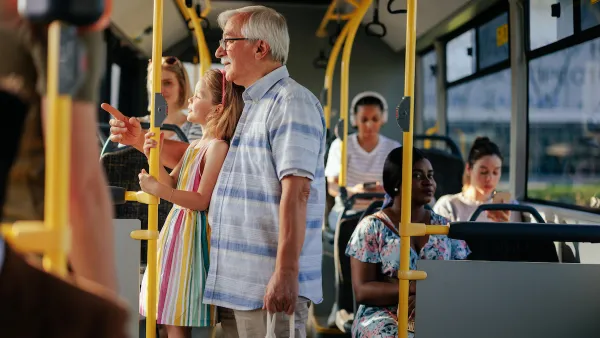
Opinion: To Improve Health Outcomes, Invest in Public Transit
A medical student calls for improving public transit to boost the health of people and the environment.

Oregon Bill Would Ban E-Bikes for Riders Under 16
State lawmakers seek to change Oregon e-bike laws following the death of a 15-year old last summer.
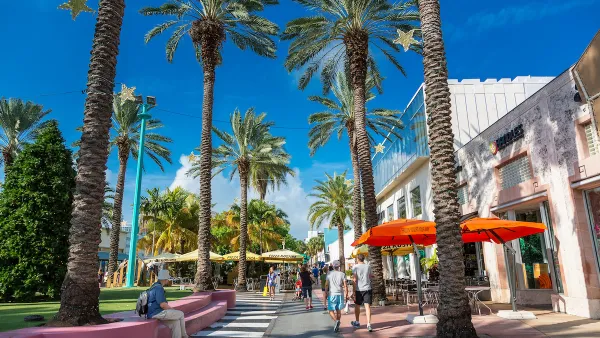
Learning From Miami
Miami is denser than most American cities, but is more car-dependent than some less compact cities. Why?
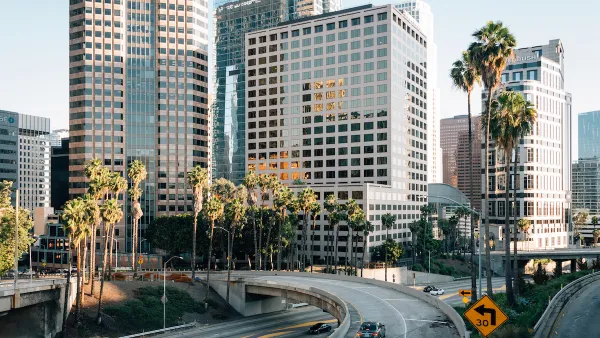
LA Freeway Ramp ‘Quietly Canceled’
A 2018 lawsuit forced Metro and Caltrans to do full environmental reviews of the project, leading to its cancellation.
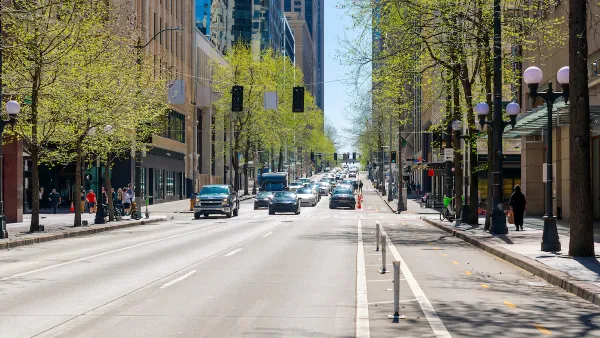
Study: Seattle Vision Zero Projects Not Bad for Business
An analysis of seven road safety project sites showed no negative economic impact on surrounding businesses.
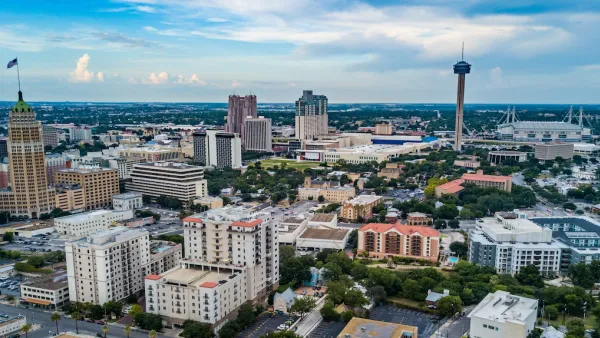
Commentary: San Antonio Needs ‘Thoughtful Reforms’ to Improve Affordability
The growing Texas city needs a new approach to meet its residents’ housing and mobility needs.
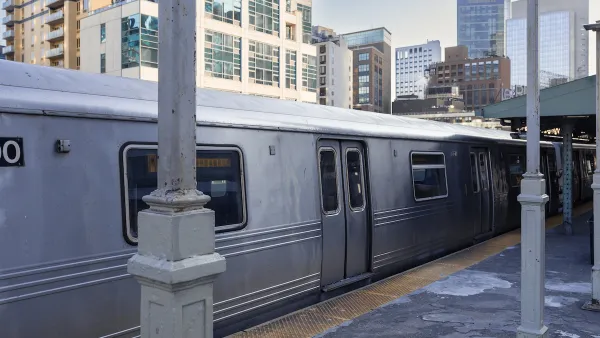
How Federal Policy Can Encourage TOD
Tying transit and land acquisition funding together could help produce more housing near transit hubs.

Small Cities at Disadvantage to Win Federal Safe Street Grants
Funding from the Bipartisan Infrastructure Law aimed at making streets safer is being awarded through a competitive grant program, but it’s not going to the communities that need it most, an investigation shows.
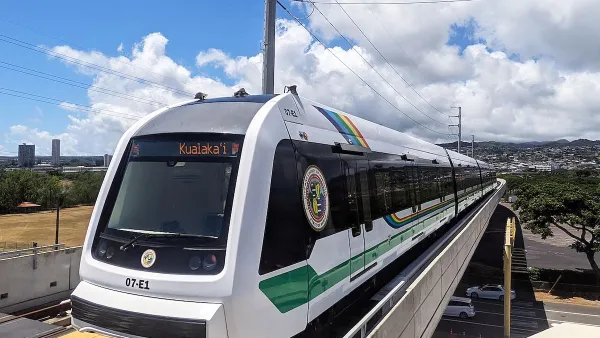
Hawai’i Transportation Projects Receive Federal Grants
State officials say they need around $15 billion to mitigate the impacts of rising seas.

FREE Course: Walkable City 1: Why Walkability?
After describing his path towards focusing on walkability as the essence of good planning, Jeff Speck marches through his five principal reasons for making more walkable places.
Reinventing Malls: Planning Alchemy—Turning Gray Fields Into Gold
The course focuses on the opportunities and imperatives that shape reinvention of mall sites.

City of Rosemead
Rutgers University, Edward J. Bloustein School of Planning and Public Policy
One Hundred Miles
University of Michigan School for Environment and Sustainability (SEAS)
Hunter College, City University of New York (CUNY)
The Architects Foundation
City of Cambridge
The Pocatello Development Authority
The Urban Renewal Agency of the City of Pocatello









