Technology
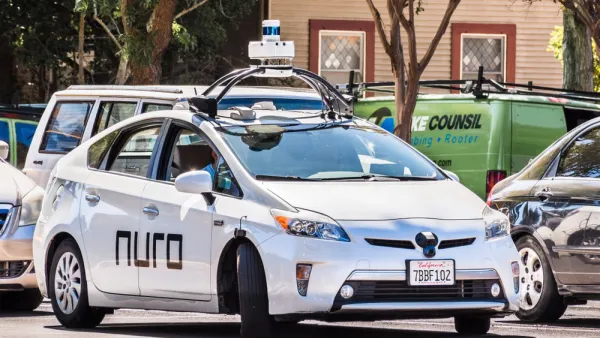
Ups and Downs for Self-Driving Cars During the Pandemic
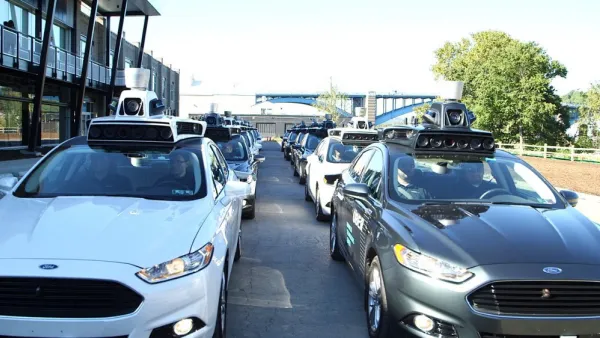
While some driverless car companies have expanded operations in the past month, some industry observers caution that the business of autonomous vehicles remains stuck in neutral.

Overcoming Social Distance
People are finding new ways to connect digitally across physical spaces during the coronavirus pandemic, and these temporary solutions could have a lasting impact on the way we live.

Even Parks Are Going Online During the Pandemic
Parks departments in New York City and Pittsburgh are offering videos and livestreams to cooped-up residents.
Decision on Sidewalk Labs' Plan for Toronto Waterfront Delayed
The spread of the coronavirus has delayed one of the most closely watched planning projects in North America.

The Dots of Connectivity and Broken Cultural Links
Connectivity is not just a question of geometry, according to this article by Fanis Grammenos. It's critical to consider what people connect for and how.
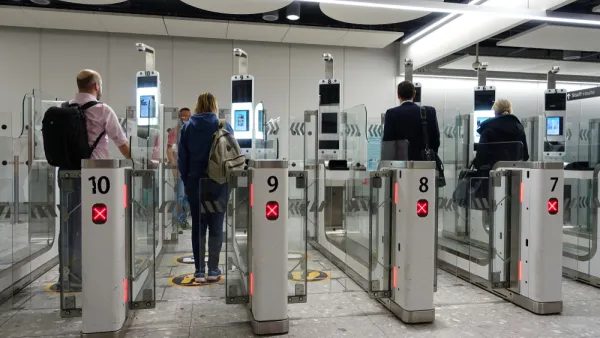
Will Infrastructure Planners Become Responsible for Facial Recognition Systems?
Facial recognition offers both benefits and risks. Planners can have a role in ensuring more of the former than the latter.
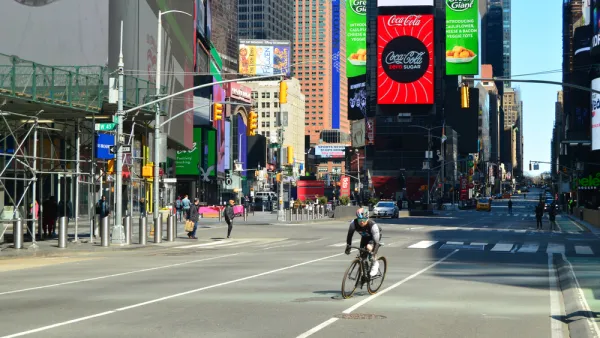
Traffic Patterns Are Going to Change Drastically
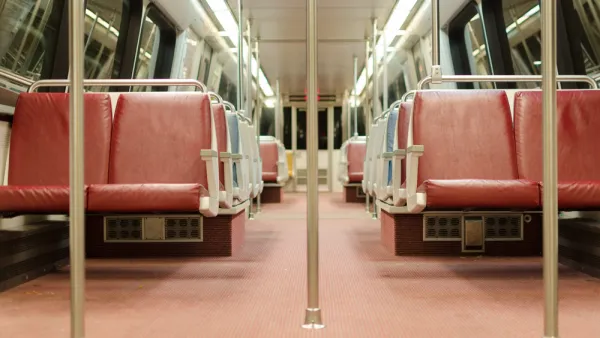
While some bike-sharing systems are being shut off to reduce mobility, others are experiencing a sudden increase of demand as people avoid mass transit.
A Social Distancing Scorecard
A location data company has created a Social Distancing Scorecard to track the progress of Americans, down to the county level, in reducing travel in accordance with recommendations to reduce physical contact.

Planning Work Continues (Remotely) Amid Pandemic
While cities may be shut down, city planners have not turned off the lights. Planning departments around California, which is mostly on lockdown, have resorted to working from home. Long-range planning could even benefit.

Shelter in Place: Working in a Time of Isolation
Need some work-at-home tips from a veteran? Hazel Borys has eight to consider.

Israel to Track Coronavirus Using Cellphone Data
Data from millions of cellphone customers will be used to locate and alert individuals who may have come into contact with people carrying the virus.
Transit App Updating Transit Demand Estimates Daily
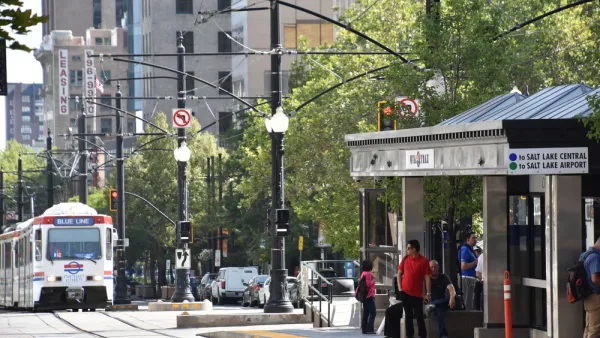
The Transit app has created the most comprehensive portal for transit ridership data—with a key caveat made about the source of the data.
What the Future Looked Like Before the Coronavirus
Common Edge surveyed mayors and urban designers for ideas about what the next decade holds in store for cities. There were plenty of challenges in facing the world before the pandemic.
Lyft, Uber Suspend Shared Rides
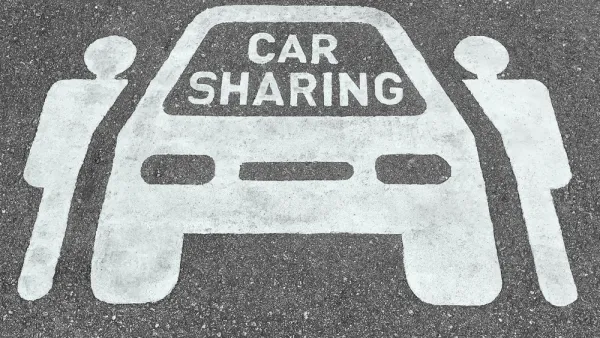
Ride-hailing companies are responding to the coronavirus pandemic with actions that can protect both drivers and riders.
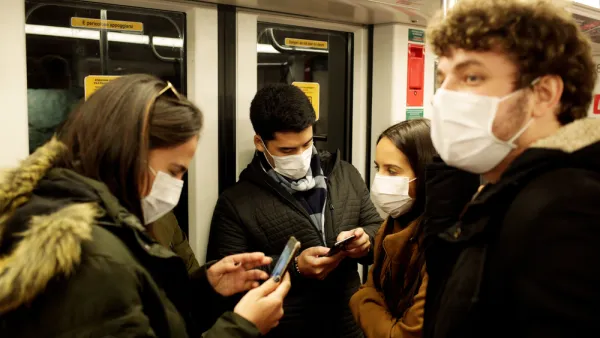
Esri Sets Up COVID-19 GIS Hub
The planning profession can contribute to the worldwide fight to control the spread of COVID-19. GIS technology, for instance, allows real-time monitoring of the pandemic.
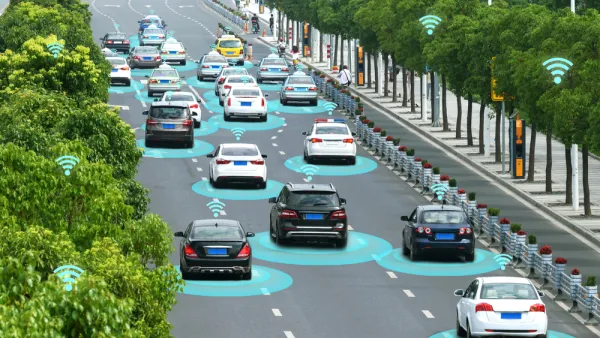
AV Technology Needs to Take the Realities of Human Behavior into Account
Autonomous vehicle technology assumes that partial automation, where people are in control of vehicles at varying levels, is feasible. But research shows this is not how humans behave.
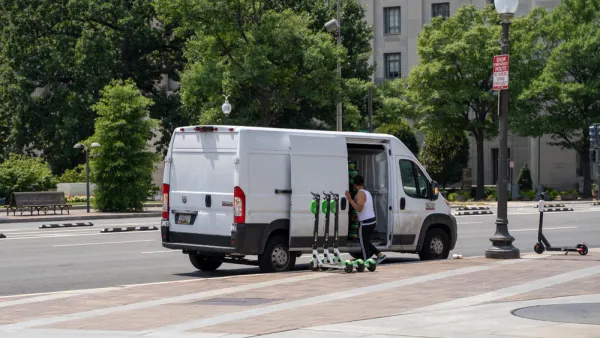
The Culling: Four Fewer Scooter Companies Allowed to Operate in D.C.
A controversial evaluation process has produced a final verdict, and four scooter companies are no longer welcome on the streets of the nation's capital.

Twitter for Urban Planning
Few social media sites offer the same kind of diversity of information and opinion to a field of study than Twitter does for planning.
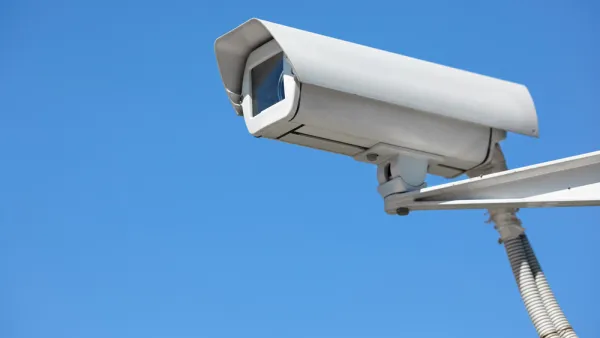
New Orleans 'Smart City' Program Would Install Video Cameras in Public
The video cameras would be used to collect data on street light outages, but could also potentially used by police in the city's crime surveillance program.
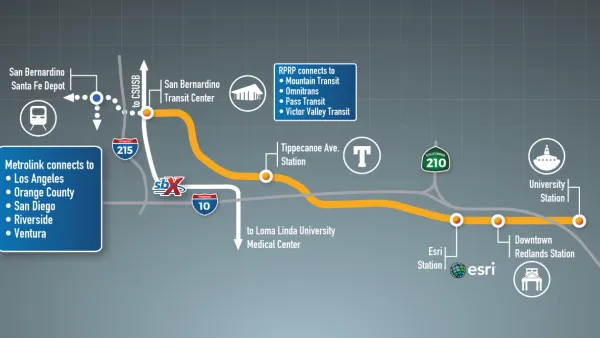
TOD and Zero-Emission Trains: Can You Guess Where the Controversy Is?
The nation's first fuel cell electric train will make its debut in Southern California in about four years, but it's also associated with a controversial ballot measure on the station sites that voters of Redlands will decide on Super Tuesday.

FREE Course: Walkable City 1: Why Walkability?
After describing his path towards focusing on walkability as the essence of good planning, Jeff Speck marches through his five principal reasons for making more walkable places.
Reinventing Malls: Planning Alchemy—Turning Gray Fields Into Gold
The course focuses on the opportunities and imperatives that shape reinvention of mall sites.

Eagle County Government
Harvard University Graduate School of Design
Nashville Planning Department
The Architects Foundation
University of Cincinnati Online
The Pocatello Development Authority
The Urban Renewal Agency of the City of Pocatello
Journal of the American Planning Association