Technology

Zillow's 'iBuying' Algorithms Overpaid For Homes
After investing more than $1 billion in buying homes over the last few years, Zillow has ended its 'iBuying' experiment as anticipated profits fail to materialize.

Making The Switch To EVs Requires Robust Charging Infrastructure
With more states outlawing the sales of gas-powered vehicles and the federal government setting ambitious electrification goals, now is the time to invest in critical charging infrastructure.

World's Largest 3D-Printed Community Planned In Austin
The process aims to reduce labor hours and material waste, dramatically cutting construction costs for new housing.

Condo for Cars Planned in Toronto
Car condos are coming to North America's largest cities—first New York and now Toronto.
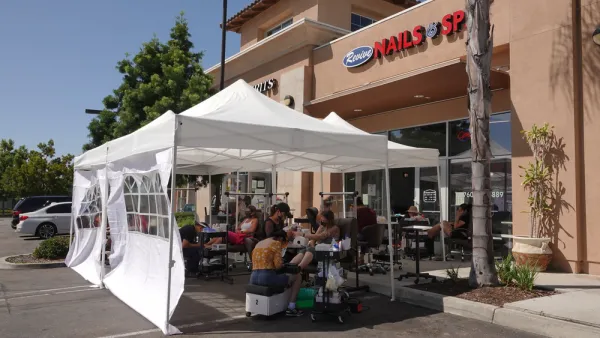
Monitoring the Effects of the Pandemic on Metros and Cities
Eugénie Birch discusses cities' and metros' recoveries from the COVID-19 pandemic.
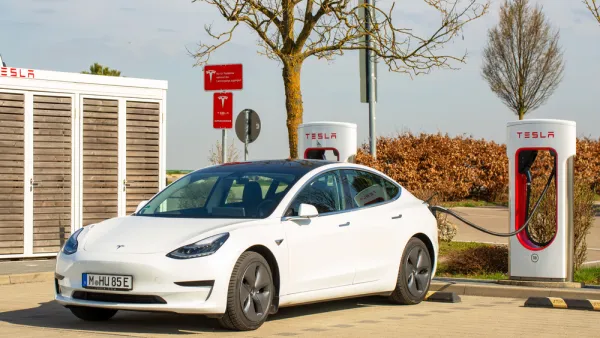
Tesla 3 Now the Best-Selling Car in Europe
For the first time ever, an electric vehicle was the most sold car in Europe—with Tesla's Model 3 outselling all other cars on the continent in the month of September.
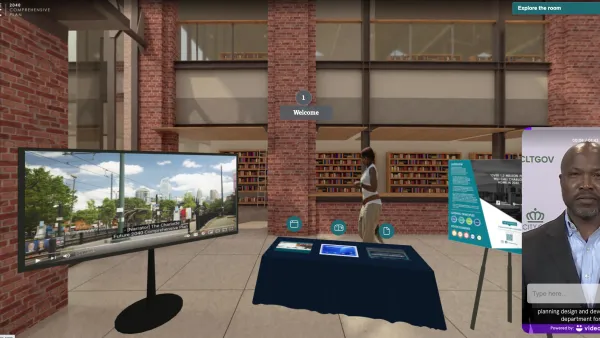
Top Websites for Urban Planning – 2021
Planetizen's annual list of the best of the urban planning Internet.

New Tool Calculates Induced Demand Caused by Road Widening Projects
The calculator can help transportation advocates and agencies project how many additional miles and emissions a highway widening project would create.

Lessons from the Smart Columbus Pilot Program
The former program manager for Smart Columbus discusses the successes, challenges, and unexpected opportunities encountered by the city as it worked to integrate technology into city services and programs.
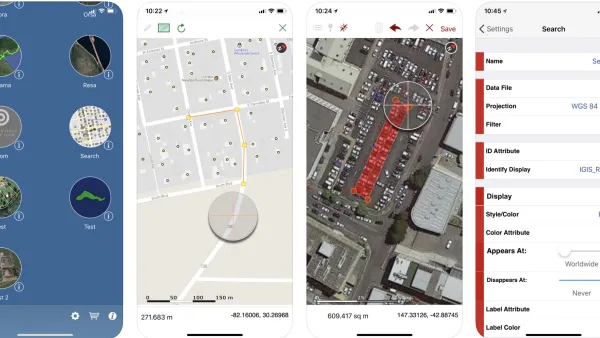
Survey: What Mobile Apps Are Most Useful for Planning in 2021?
Planetizen is requesting your input in creating the definitive list of mobile apps for professional, student, academic, or citizen planners—updated for a planning profession forever altered by the Covid-19 pandemic.

Who Really Needs 15-Minute Grocery Delivery?
New start-ups are promising ultra-fast delivery, but at a high cost to workers, the environment, and the urban fabric.

The Ethics of Autonomous Car Testing
In the wake of multiple fatal crashes involving Tesla's self-driving mode, ethicists suggest the need for a robust set of regulations governing the testing of AVs before more of them hit the road.

The Hidden Costs of Drone Delivery
Ultra-fast drone delivery promises convenience, but comes at a high cost for workers, the environment, and public space.

Climate Action: As Simple as Riding an E-Bike
A new e-bike credit, if coupled with improved bike safety infrastructure, could encourage many Americans to replace short car trips with e-bike rides, reducing emissions and congestion.

Five Midwest States to Develop EV Charging Network
The governors hope the agreement will create jobs, reduce emissions, and encourage more widespread adoption of electric vehicles in their states.

Big Boston Buildings Must Be Carbon Neutral by 2050
The Boston City Council approved a new ordinance would eliminate emissions from the 4 percent of the buildings responsible for 60 percent of the city's building emissions.
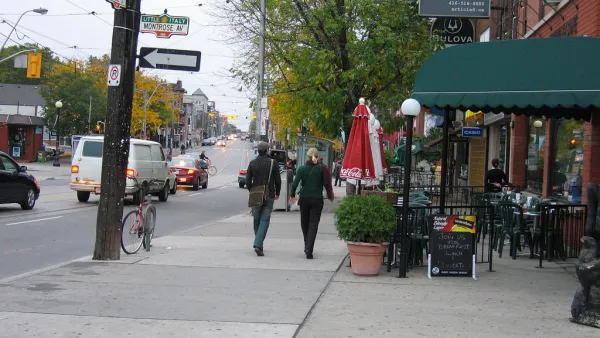
Student-Designed Cool Sidewalk Could Reduce 'Urban Heat Island' Effect
Researchers at the University of New Mexico created a sidewalk design using materials that would reduce heat absorption and require fewer materials than traditional concrete sidewalks.

How the AI Economy is Shaping Cities
Like other technologies, artificial intelligence tech seems to be clustering in a small group of cities, prompting questions about its uneven deployment.

The Physical Security Challenges of Smart Cities
There’s no doubt that a smart city’s network will be ultra-responsive, fast, and reliable. Can the same be said for the physical security measures needed?

The Emergence of Supply-Side Progressivism
The American Left, according to Ezra Klein, is starting to acknowledge the role of supply-side thinking in public policy.

FREE Course: Walkable City 1: Why Walkability?
After describing his path towards focusing on walkability as the essence of good planning, Jeff Speck marches through his five principal reasons for making more walkable places.
Reinventing Malls: Planning Alchemy—Turning Gray Fields Into Gold
The course focuses on the opportunities and imperatives that shape reinvention of mall sites.

Eagle County Government
Harvard University Graduate School of Design
Nashville Planning Department
The Architects Foundation
University of Cincinnati Online
The Pocatello Development Authority
The Urban Renewal Agency of the City of Pocatello
Journal of the American Planning Association