Technology
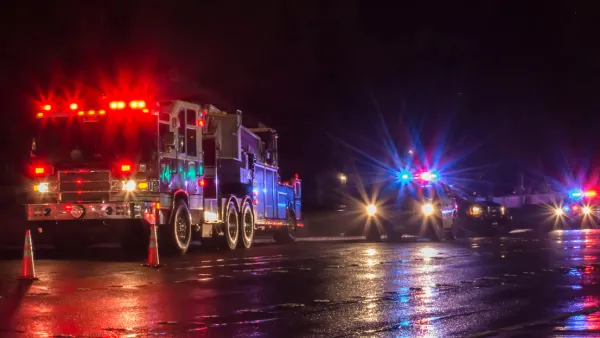
Dashcam Footage Shows Tesla Colliding With First Responder
The car failed to recognize the stopped emergency vehicle until just two seconds before the crash.
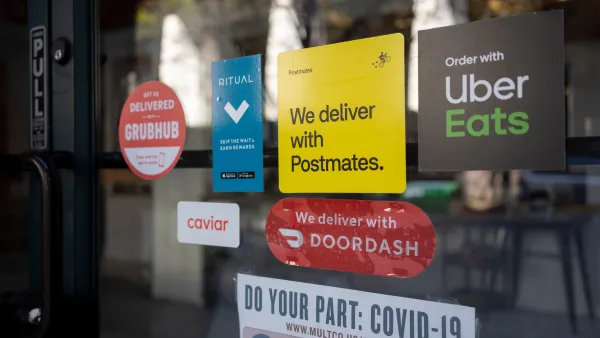
Uber Sees Record Ridership, Finally Posts a Profit
The ride-hailing giant posted an operating profit for the first time in its history, thanks largely in part to its successful food delivery business.
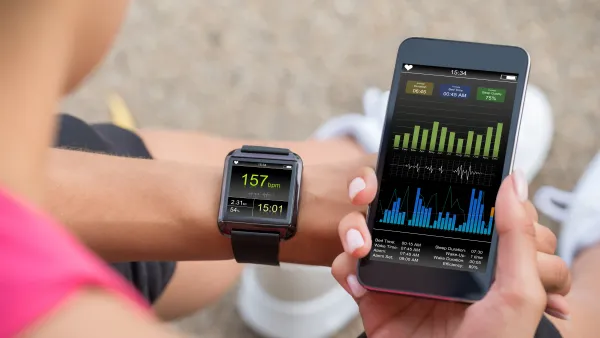
Using Cellphone and Fitness App Data for Park Planning
Data from smartphone apps and fitness trackers are helping planners to better understand park usage patterns and plan for new and improved parks.
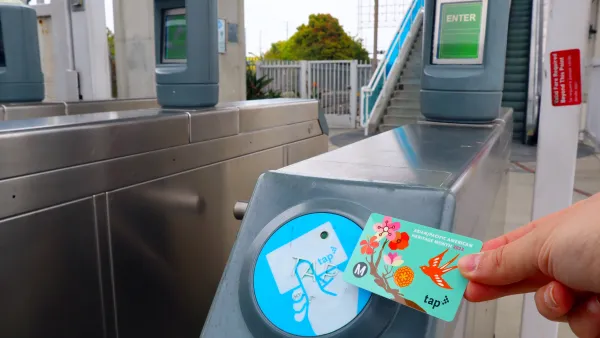
L.A. Metro Introduces Fare Capping Tech
Los Angeles transit riders who pay as they go will have their fare capped at $5 per day or $18 per week.
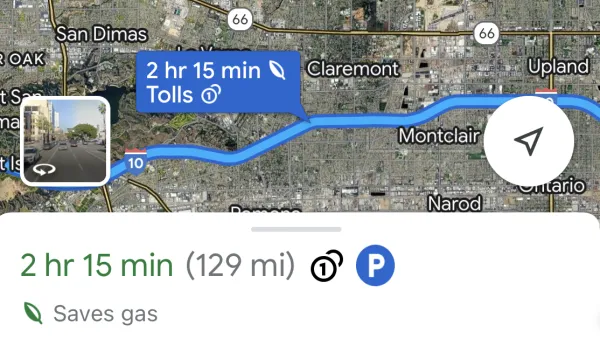
Google Maps Feature Identifies Most Fuel-Efficient Routes
A new feature highlights routes that use the least gas to help users make the most fuel-efficient driving decisions.
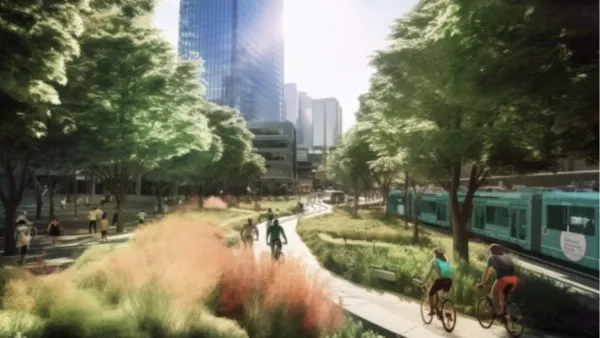
AI and Downtown Recovery: Missing the Mark in Seattle?
In his fourth GeekWire article on downtown recovery, Chuck Wolfe reviews the use of AI imagery in a section of the Seattle Downtown Activation Plan and suggests how it may have missed the mark.
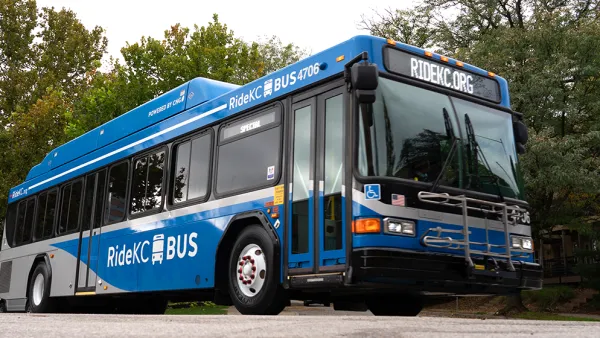
Transit Advocates Fear On-Demand Microtransit Undermines Bus Service
A new on-demand transit service is meant to fill gaps in Kansas City regional bus service, but some transit supporters worry the service is drawing funding away from fixed-route buses.

Utah to Test Personalized Road Usage Pricing
A pilot program will use GPS-enabled devices to track driving habits, allowing cities to use the data to create road pricing fee structures based on hyper-local and individual driving needs.

Podcast Shows Urban Planning Is Anything But Dull
“Urban Planning is Not Boring” is a podcast created by USC alumni Samantha Ellman and Natalie Ikhrata which highlights just how fascinating the field of planning can be.
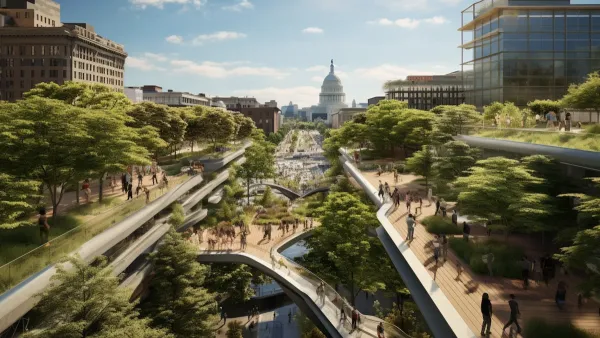
Friday Eye Candy: AI Envisions Solutions to the Challenges Facing Cities
Phoenix reimagined for shade. Los Angeles as a place where everybody walks. San Francisco with affordable housing. AI makes a vision of the future possible.

Shared Mobility Starts to Reach Critical Mass
The growing popularity of shared mobility modes, many small and highly efficient, could soon begin having a significant impact on urban transportation patterns.

Robotaxi Regulations Lag Behind Reality
As fleets of autonomous cars make their way onto city streets, the need to effectively regulate the technology is becoming more urgent.
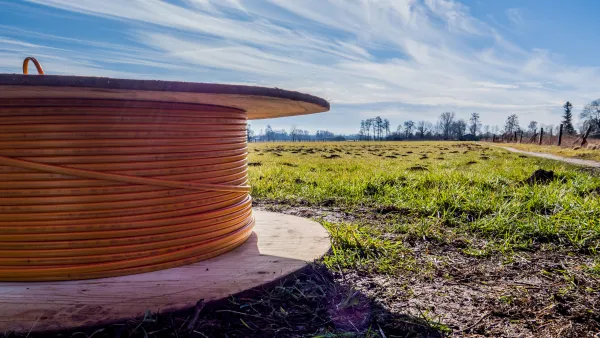
Federal Program Funds Broadband in Underserved Areas
The program supports efforts to improve internet connectivity in remote and rural areas.
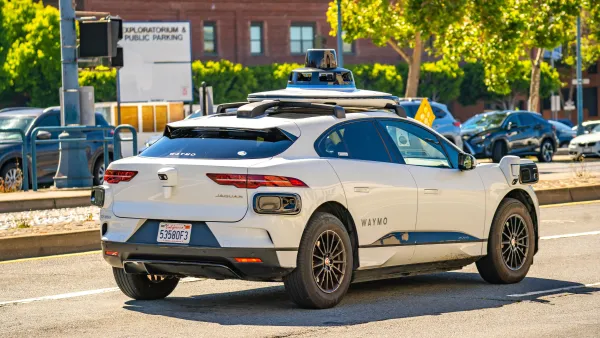
San Francisco Officials Want to Put the Brakes on Self-Driving Taxis
Local officials say autonomous cars are not yet safe enough to be permanently deployed across the entire city.

Leveraging Blockchain Tech to Build Smart Cities
Blockchain is far from exclusive to cryptocurrency. Smart cities have a lot to gain from the technology and can thrive with its application.
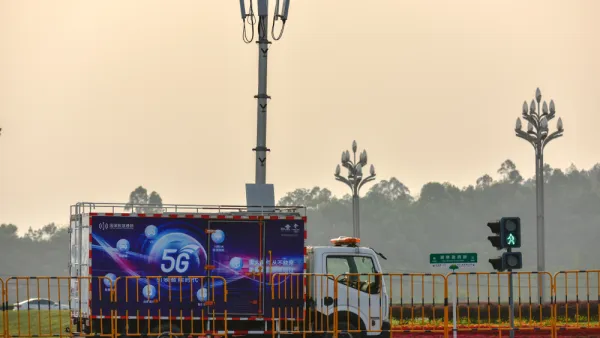
Federal Bill Would Preempt Local Authority on Telecommunications Siting
A congressional committee advanced a bill recently that would streamline telecommunications infrastructure investments by preempting local control of siting decisions.

Addressing the Noise Impacts of Pickleball
Pickleball may be America's fastest growing sport, but it is not universally loved because of the noise it causes. Learn one expert's ideas for mitigating the noise impacts.
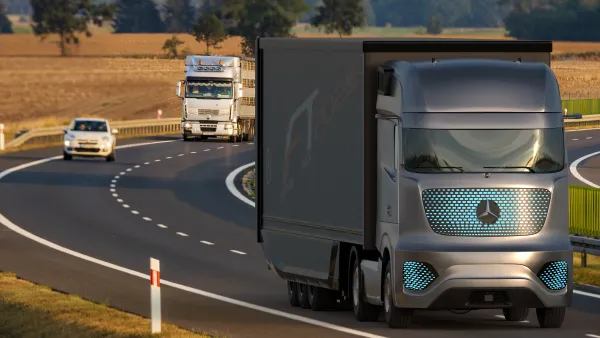
California Moves to Limit Autonomous Trucks
A bill passed by the State Assembly and moving on to the Senate would require autonomous semi trucks to have a trained human operator in the vehicle.

‘Biourbanism’ Combines Nature and Data to Boost Resilience
The concept of biourbanism views cities as natural systems, but brings a data-driven approach to quantifying and mitigating the impacts of climate change.

Key Points From the Tesla Data Leak
Thousands of leaked safety complaints about the electric carmaker reveal a pervasive effort to hide problems from the public and prevent customers from filing lawsuits.

FREE Course: Walkable City 1: Why Walkability?
After describing his path towards focusing on walkability as the essence of good planning, Jeff Speck marches through his five principal reasons for making more walkable places.
Reinventing Malls: Planning Alchemy—Turning Gray Fields Into Gold
The course focuses on the opportunities and imperatives that shape reinvention of mall sites.

City of Rosemead
Rutgers University, Edward J. Bloustein School of Planning and Public Policy
One Hundred Miles
University of Michigan School for Environment and Sustainability (SEAS)
Hunter College, City University of New York (CUNY)
The Architects Foundation
City of Cambridge
Montrose County
The Pocatello Development Authority









