Transit Security
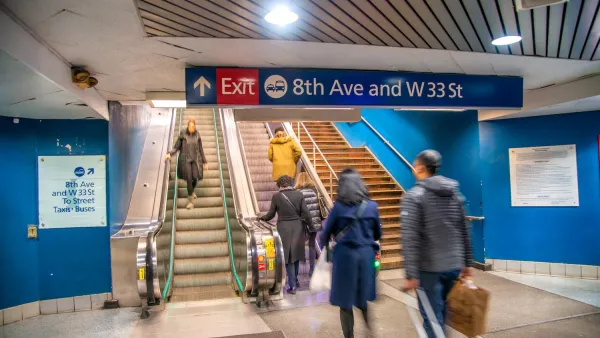
In Both Crashes and Crime, Public Transportation is Far Safer than Driving
Contrary to popular assumptions, public transportation has far lower crash and crime rates than automobile travel. For safer communities, improve and encourage transit travel.

Philadelphia Tests Bulletproof Enclosures for Bus Drivers in Wake of Fatal Shooting
The city is one of several aiming to improve driver safety.
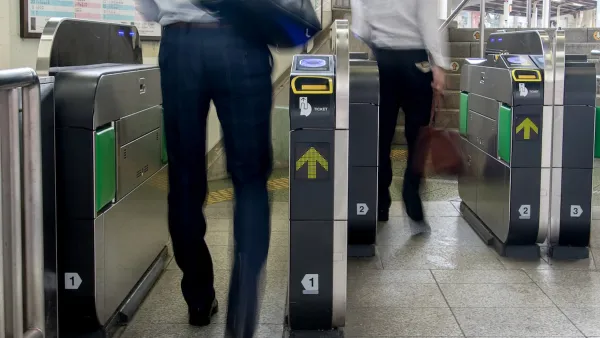
Is Cracking Down on Fare Evasion the Answer to Lagging Transit Ridership?
Transit agencies hope to reassure riders concerned about crime by boosting security at transit stations.
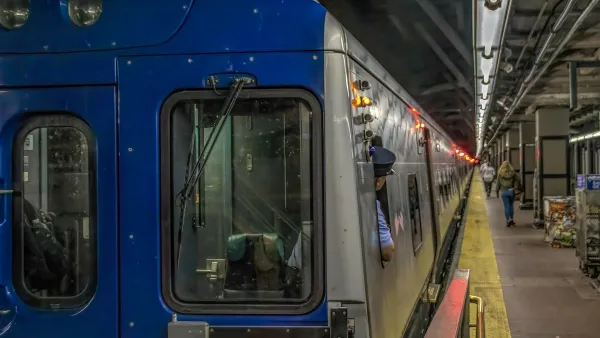
FTA Directive Addresses Violence Against Transit Workers
Verbal and physical assaults against transit operators have grown alarmingly in the last decade.
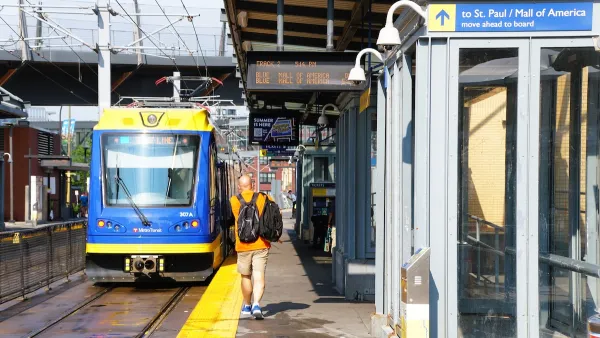
Transit Crime Down in NYC, Minneapolis
The two cities launched targeted efforts to improve security and offer supportive services to transit users.
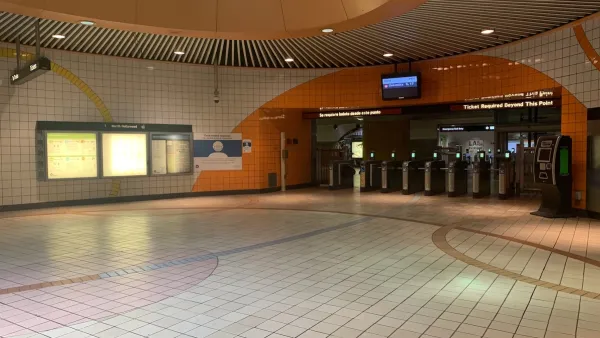
LA Metro Fare Enforcement Faces Backlash
The agency hopes cracking down on fare evasion will improve safety on the system, but riders aren’t so sure.
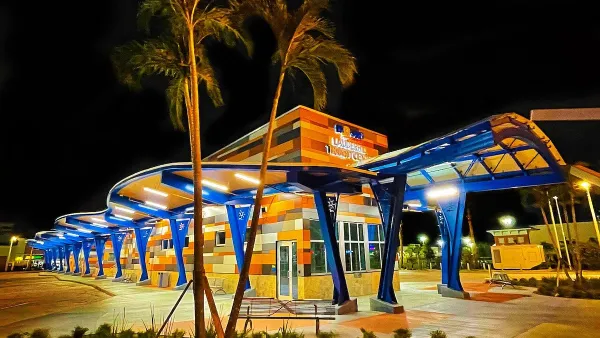
Broward County Transit Security Program Provides Services to Unhoused Riders
The agency worked with local partners to provide housing referrals and health services to homeless residents who frequent the transit system.
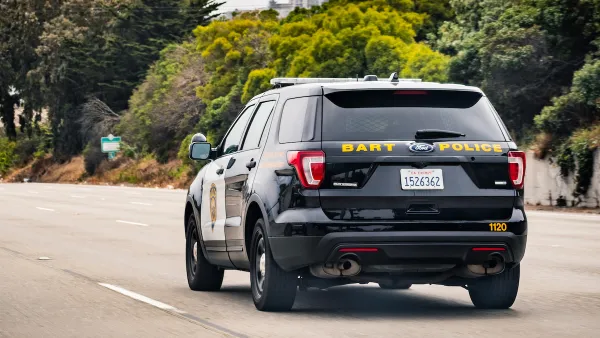
Podcast: Addressing the Root Causes of Transit Violence
Deploying transit police is a short-term fix. How can transit agencies build sustainable safety efforts?
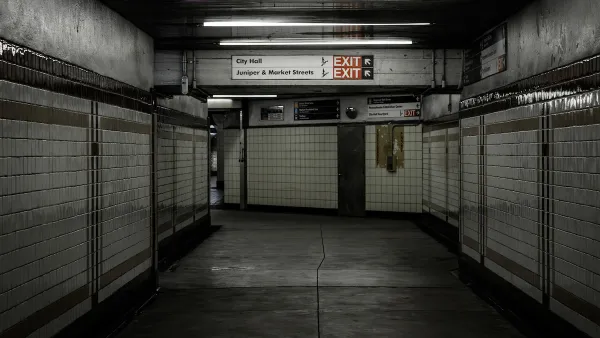
How Transit Architecture Impacts Real and Perceived Safety
More than a third of Americans believe major transit systems are too unsafe to ride. The built environment can change that.
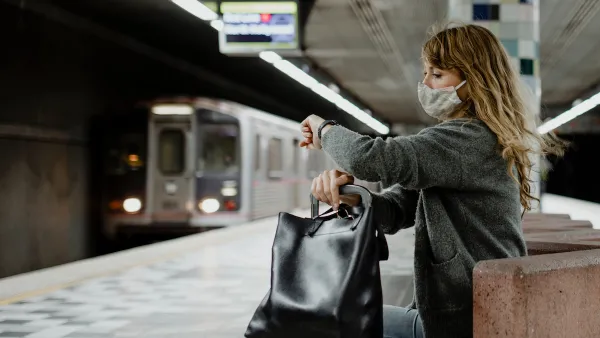
How California Transit Agencies are Addressing Rider Harassment
Safety and harassment are commonly cited reasons passengers, particularly women and girls, avoid public transit.
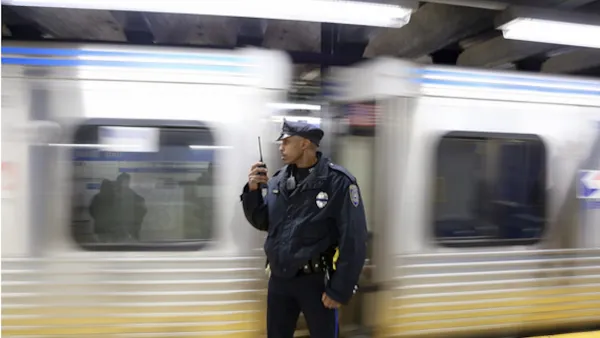
New Philly Fare Gates ‘Astonishingly Easy to Beat’
A set of high-tech gates aimed at limiting fare evasion is already failing.

Shifting the Male Perspective on City Planning
Urban spaces and transportation system are largely designed and managed by men, but cities are starting to recognize the unique challenges women and children face.
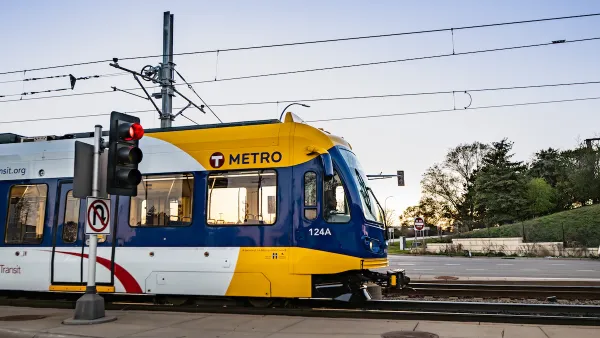
Twin Cities Transit Agency Launches Safety Initiatives
The agency is pairing with nonprofit partners to provide on-site services and resources to riders and boosting fare enforcement without police involvement.
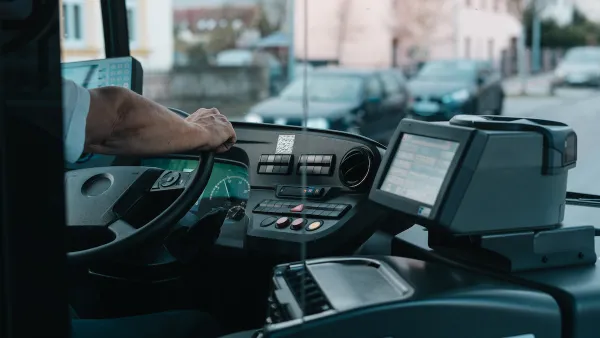
FTA Issues Draft Directive on Transit Worker Safety
The agency says assaults on transit workers are at ‘unacceptable’ levels.
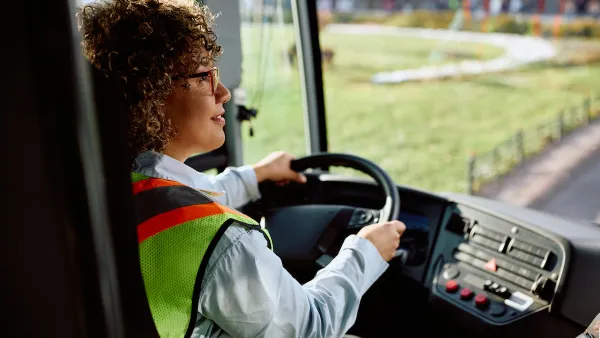
How Inequality Impacts Transit Safety
Transit workers are being assaulted by riders at alarming rates, and inequity may be partly to blame.

Designing Safer Cities
For women and other vulnerable groups, navigating the urban space can be fraught with real and perceived dangers.

Report: Transit Safety Begins With Better Service
Transit riders want more frequent service, less police.
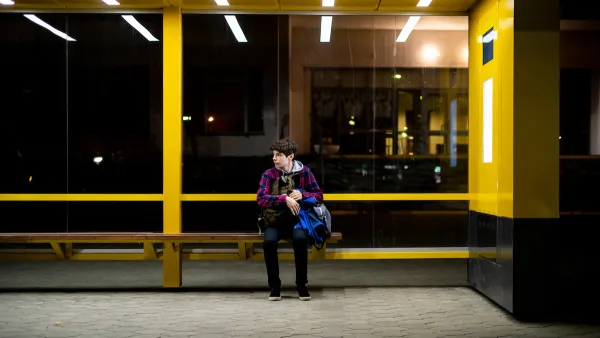
Study: How To Make Transit Safer
A new report recommends boosting ‘ambassador programs,’ improving reliability and frequency, and supporting more anti-harassment initiatives.
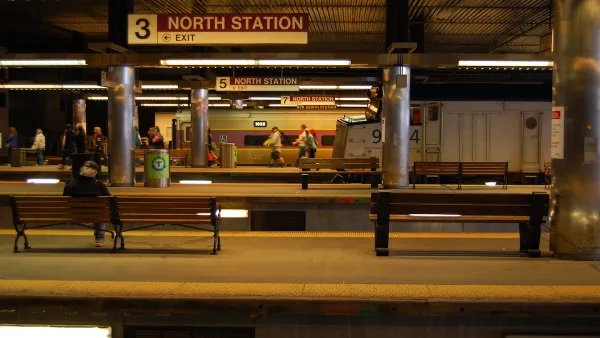
Boston Transit Riders Report Safety Concerns
Almost three-quarters of current and former riders report feeling unsafe while using MBTA services.
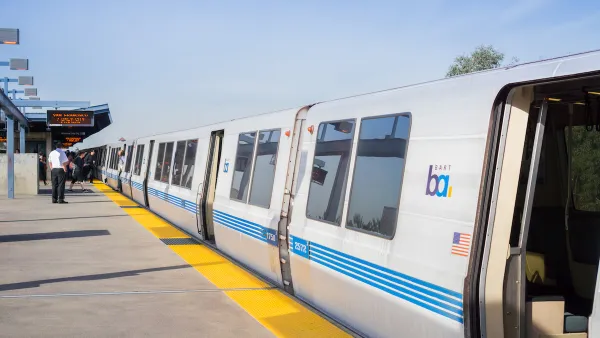
BART Will Run Shorter Trains
The agency says shorter trains will enable them to increase security, retire aging cars, and save on energy costs.

FREE Course: Walkable City 1: Why Walkability?
After describing his path towards focusing on walkability as the essence of good planning, Jeff Speck marches through his five principal reasons for making more walkable places.
Reinventing Malls: Planning Alchemy—Turning Gray Fields Into Gold
The course focuses on the opportunities and imperatives that shape reinvention of mall sites.

City of Rosemead
Rutgers University, Edward J. Bloustein School of Planning and Public Policy
One Hundred Miles
University of Michigan School for Environment and Sustainability (SEAS)
Hunter College, City University of New York (CUNY)
The Architects Foundation
City of Cambridge
Montrose County
The Pocatello Development Authority









