Almost three-quarters of current and former riders report feeling unsafe while using MBTA services.


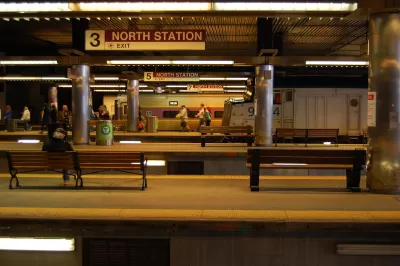
A poll conducted by the Boston Herald shows that 70 percent of current and former users of Massachusetts Bay Transportation Authority (MBTA) public transit services express having felt unsafe while using the system.
According to an article by Benjamin Cortez in Hoodline, “only 45% of current and former riders believe that the MBTA will improve in 10 years, and 16% predict a worse future for the system’s service.”
This pessimistic view reflects the system’s recent setbacks, such as track maintenance safety and service cuts, as ridership continues to lag below pre-pandemic levels. Cortez notes, “While some factors are beyond the MBTA's control, two crucial elements could potentially entice more riders back: free rides and more reliable service. More than half of the respondents claim that these changes would make them more inclined to use the system in the future.”

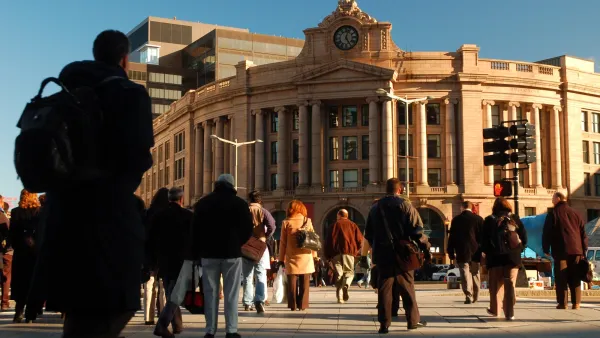
MBTA threatens to use eminent domain to pedestrianize Boston streets during World Cup
Boston city hall has been unusually reluctant to align with MassDOT and MBTA's proposed crowd management plans.
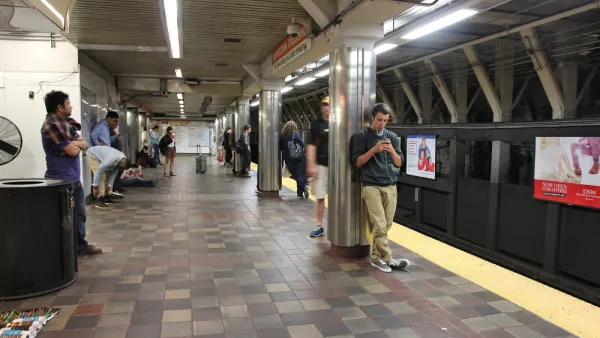
Opinion: Funding The T Should Be a Massachusetts State Priority
With ridership revenue still lagging and fatal incidents plaguing the Boston-area transit agency, one writer argues that state lawmakers must step in to fund upgrades for the aging system.
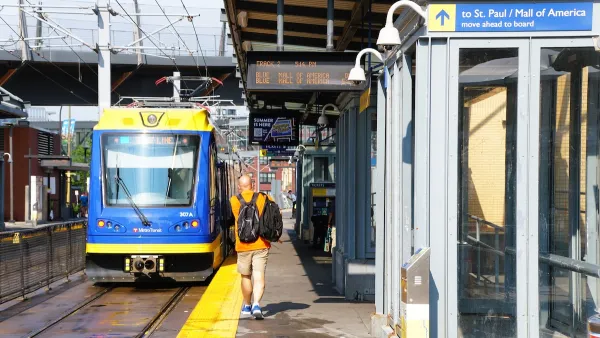
Transit Crime Down in NYC, Minneapolis
The two cities launched targeted efforts to improve security and offer supportive services to transit users.

The state-sanctioned urbicide of Austin
People don’t kill cities. Freeways do.

US to reduce Colorado River water deliveries to Mexico
A new Colorado Treaty amendment reduces Mexico’s Colorado River water allocation by 250,000 acre feet.

New Jersey’s second-largest city bans standalone data centers
Jersey City will continue to allow co-location facilities, such as those meant for research institutions that store their own data.

Amtrak not solely to blame for New Jersey commuter rail's unreliability, report finds
A new study from the Garden State Initiative found that NJ Transit’s budget grew 20% across a 4 year period, but reliability declined significantly over the same period.

EPA erases limits on planet-warming pollution from power plants
Under Monday’s plan, power plants would still have some limits on how much mercury, arsenic and other contaminants they can emit.

Phoenix announces new on-demand transit service, more frequent RAPID buses
Both new services will launch in October, and are part of Phoenix's Project Effective Access Solutions for Easing Congestion.

FREE Course: Walkable City 1: Why Walkability?
After describing his path towards focusing on walkability as the essence of good planning, Jeff Speck marches through his five principal reasons for making more walkable places.
Reinventing Malls: Planning Alchemy—Turning Gray Fields Into Gold
The course focuses on the opportunities and imperatives that shape reinvention of mall sites.

Eagle County Government
Harvard University Graduate School of Design
Nashville Planning Department
The Architects Foundation
University of Cincinnati Online
The Pocatello Development Authority
The Urban Renewal Agency of the City of Pocatello
Journal of the American Planning Association