North America

Planning Education: Striking a Better Balance
Planning education and practice fail to recognize the importance of physical design and spatial planning. Randall Arendt diagnoses the root of the disorder and suggests some treatments for returning urban planning to good health.

Through ‘questionable’ means,Trump is paying to make offshore wind power disappear
The East Coast is in need of renewable energy, but wind farm developers face permit revocations and stop-work orders from the Trump administration.
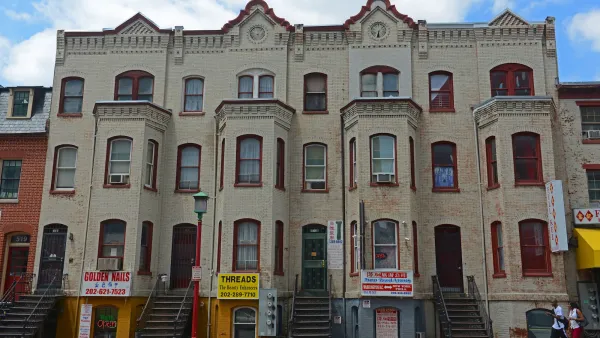
Is this the first wave of de-gentrification?
Valencia, Temescal, H Street and the fickle fortunes of the gentrified neighborhood.

Airbnb investing millions to loosen rules ahead of World Cup
US cities hosting World Cup games all have regulations on short-term rentals, but none have created new rules to limit speculation and displacement during the World Cup.
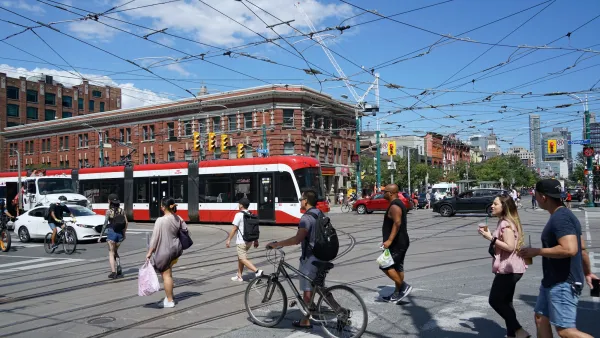
Why is Canada’s Public Transit so Much Cheaper — and Better — Than the United States’?
The answer lies largely in political will.
Judge Blocks HUD Changes to Key Homelessness Grant Program
The Continuum of Care Program, the federal government’s biggest pool of funds for housing homeless people, will continue with its original funding plan — pending a final decision from the courts.

Trump Officials Want to Keep Coal Plants “100% Open”
While officials tout the return of coal power as the answer to the affordability crisis, critics point to America’s aging coal infrastructure as a pain point in its return.
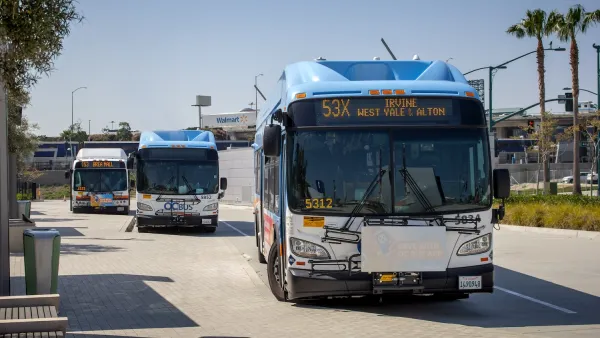
Trump’s 10% Tariff on Buses Could Raise Transit Costs Across North America
A new tariff on transit bus production will most significantly impact Canadian transit systems that rely on cross-border production.

Trump Administration Wants to Remove Conservation From Approved 'Uses' of Public Land
The Department of the Interior moved to officially rescind the Public Lands Rule passed in 2024, which elevates the conservation of public lands to the same level of protection as other uses.

Mexico City Cable Cars Soar Above Gridlock
The Cablebús system transports more than 100,000 people each day and dramatically reduces commute times in the Mexican capital.

Dear Cities: Let’s Make FIFA Count
The first-ever pan-North American World Cup offers urban planners a unique opportunity: to undo the legacy of failed promises and show that mega events can actually benefit the cities they visit.
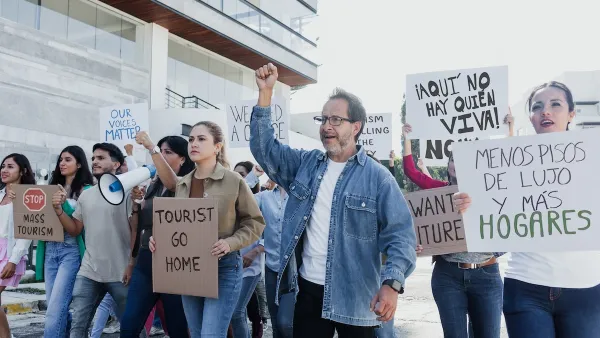
Mexico City Anti-Gentrification Plan Aims to Half Housing Deficit
The plan comes in response to protests that targeted ‘digital nomads’ who locals blame for driving up housing costs.

Unleashing the Power of Cycling With Smart Messaging
Lloyd Alter describes how creative design and copywriting can flip the script and promote active transport.

Canada vs. Kamala: Whose Liberal Housing Platform Comes Out on Top?
As Canada votes for a new Prime Minister, what can America learn from the leading liberal candidate of its neighbor to the north?
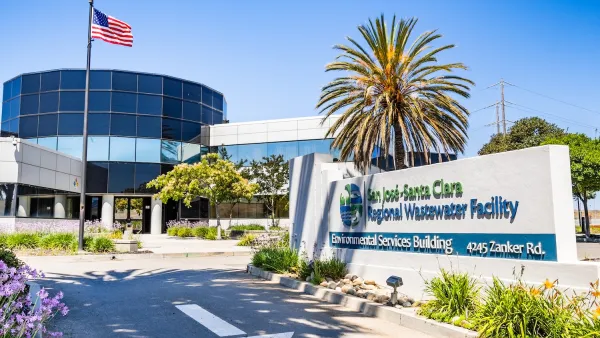
When Borders Blur: Regional Collaboration in Action
As regional challenges outgrow city boundaries, “When Borders Blur” explores how cross-jurisdictional collaboration can drive smarter, more resilient urban planning, sharing real-world lessons from thriving partnerships across North America.
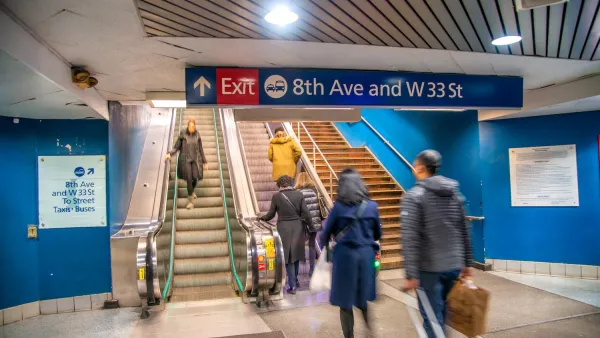
In Both Crashes and Crime, Public Transportation is Far Safer than Driving
Contrary to popular assumptions, public transportation has far lower crash and crime rates than automobile travel. For safer communities, improve and encourage transit travel.
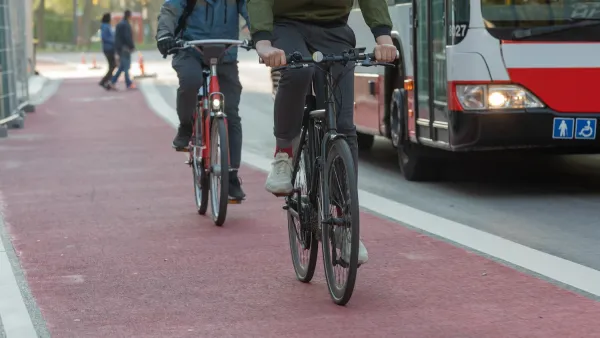
Understanding Road Diets
An explainer from Momentum highlights the advantages of reducing vehicle lanes in favor of more bike, transit, and pedestrian infrastructure.

Research Shows More Roads = More Driving
A national study shows, once again, that increasing road supply induces additional vehicle travel, particularly over the long run.

Has President Trump Met His Match?
Doug Ford, the no-nonsense premier of Canada's most populous province, Ontario, is taking on Trump where it hurts — making American energy more expensive.
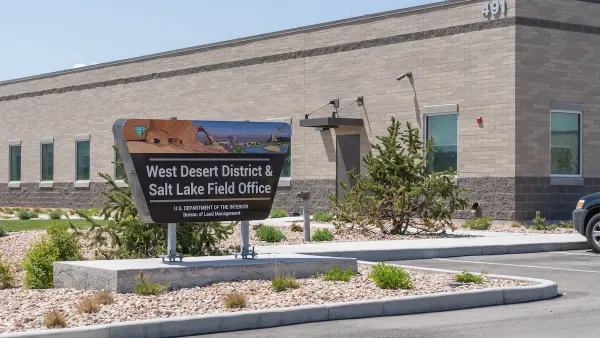
Public Lands Can Help Us Tackle the Housing Crisis in the West
The U.S. owns more than 650 million acres of public lands, and it has the power to sell or lease limited parcels for affordable housing. But mass disposal of public lands, as some legislators have proposed, is not the answer.

FREE Course: Walkable City 1: Why Walkability?
After describing his path towards focusing on walkability as the essence of good planning, Jeff Speck marches through his five principal reasons for making more walkable places.
Reinventing Malls: Planning Alchemy—Turning Gray Fields Into Gold
The course focuses on the opportunities and imperatives that shape reinvention of mall sites.

City of Rosemead
Rutgers University, Edward J. Bloustein School of Planning and Public Policy
One Hundred Miles
Hunter College, City University of New York (CUNY)
The Architects Foundation
University of Cincinnati Online
City of Cambridge
Montrose County
The Pocatello Development Authority









