A new tariff on transit bus production will most significantly impact Canadian transit systems that rely on cross-border production.


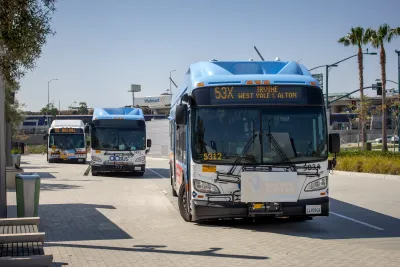
A Trump-imposed 10 percent tariff on buses could raise transit costs across the continent as transit agencies are forced to spend more on new vehicles, according to an article in Straight Arrow News. “There’s no wiggle room, no exceptions for compliance with trade agreements or Buy America policies, and no carve-outs, as there are with the new truck tariffs,” the article explains.
“The tariff primarily impacts Canada’s bus sector, which has already been hit hard by Trump’s new tariffs on steel and aluminum. Buses and bus components frequently cross the U.S.-Canada border during production, meaning that costs must account for much more than just the new 10% fee.” However, the tariff will likely impact struggling transit systems in the United States as well.
As an article for CTV News notes, “Although it will take a while for the costs to filter down to Canadians, she said, cities desperate to source enough buses for their fleets will find themselves able to purchase even fewer than they’d hoped as the prices of vehicles and parts rise, and as production runs shrink.” Agencies may also have to delay the purchase of cleaner fleets.
FULL STORY: Trump’s 10% bus tariff may raise transit costs throughout North America

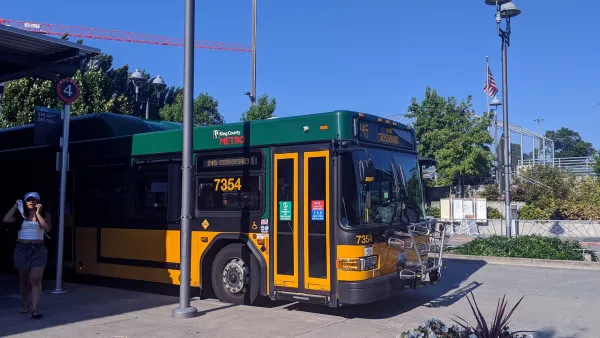
King County Metro adds 3,000 weekly bus trips, more connections to rail
King County Metro and Sound Transit are both making major adjustments to their bus networks to improve light rail connectivity across the region.
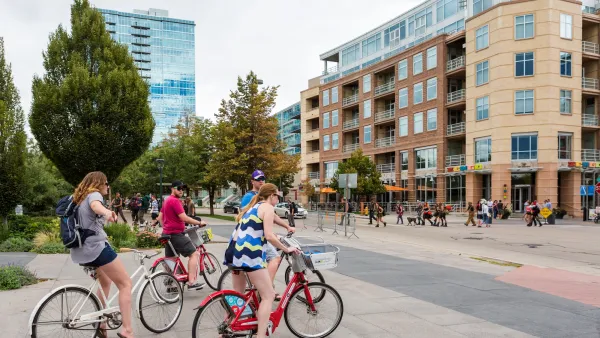
Denver mayor announces 'Mile High Line' vision for interconnected bike and transit routes
The mayor emphasized building more housing near transit lines and bike paths, but failed to address planned transit service cuts.
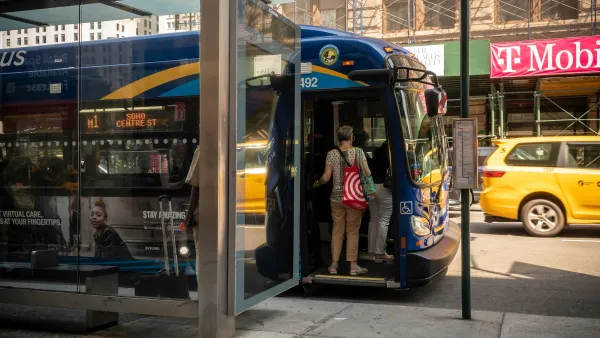
New NYC plan promises to speed up buses by up to 20%
Although the mayor's plan to make buses fare-free faces an uphill battle, a new proposal could make them significantly faster.

The state-sanctioned urbicide of Austin
People don’t kill cities. Freeways do.

US to reduce Colorado River water deliveries to Mexico
A new Colorado Treaty amendment reduces Mexico’s Colorado River water allocation by 250,000 acre feet.

New Jersey’s second-largest city bans standalone data centers
Jersey City will continue to allow co-location facilities, such as those meant for research institutions that store their own data.

Amtrak not solely to blame for New Jersey commuter rail's unreliability, report finds
A new study from the Garden State Initiative found that NJ Transit’s budget grew 20% across a 4 year period, but reliability declined significantly over the same period.

EPA erases limits on planet-warming pollution from power plants
Under Monday’s plan, power plants would still have some limits on how much mercury, arsenic and other contaminants they can emit.

Phoenix announces new on-demand transit service, more frequent RAPID buses
Both new services will launch in October, and are part of Phoenix's Project Effective Access Solutions for Easing Congestion.

FREE Course: Walkable City 1: Why Walkability?
After describing his path towards focusing on walkability as the essence of good planning, Jeff Speck marches through his five principal reasons for making more walkable places.
Reinventing Malls: Planning Alchemy—Turning Gray Fields Into Gold
The course focuses on the opportunities and imperatives that shape reinvention of mall sites.

Eagle County Government
Harvard University Graduate School of Design
Nashville Planning Department
The Architects Foundation
University of Cincinnati Online
The Pocatello Development Authority
The Urban Renewal Agency of the City of Pocatello
Journal of the American Planning Association