Vision Zero
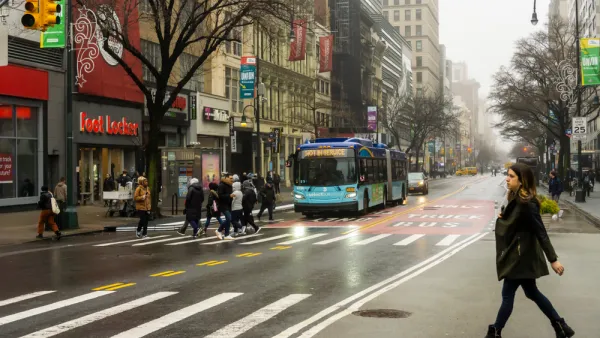
Bus Lane Plans Continue Retreat in New York City—This Time it's Fifth Avenue
The de Blasio administration caved to the interests of a Manhattan real estate developer and shelved a plan to prioritize bus transit over private automobiles on one of the most famous corridors in the world.
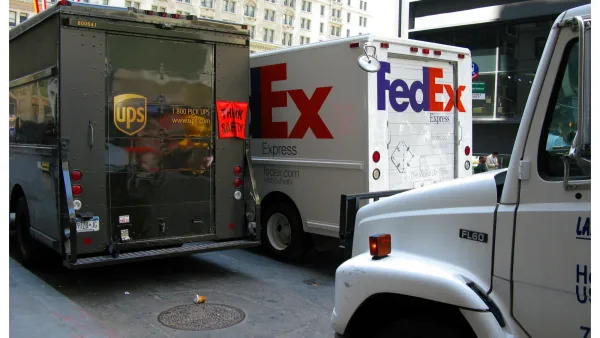
How Street Configuration Impacts Equity
With urban pollution and traffic violence disproportionately affecting communities of color, better management of public space and streets could improve equity in cities.

Vision Zero Success Story: Fremont, California
While traffic fatalities continue to rise nationwide, Fremont has drastically reduced its crash rates in the five years since it launched its Vision Zero project.
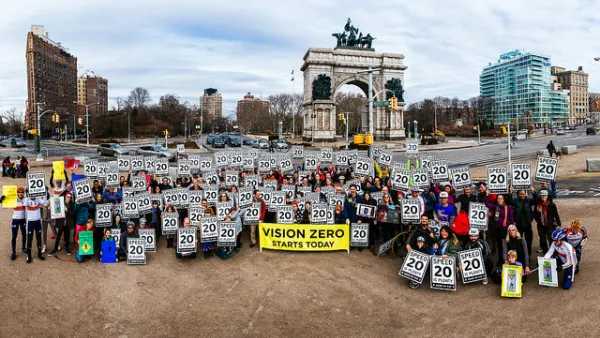
Zero Vision Zero: Streets Deadlier Now Than When De Blasio Started
Mayor Bill de Blasio in 2014 set a goal to eliminate traffic fatalities from New York City. Now, with de Blasio preparing to leave office, more people are dying on the city's streets than when he made that announcement.
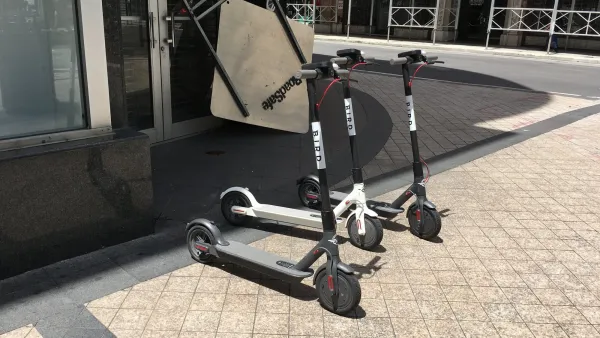
Bird Scooters Now Automatically Slow in High-Activity Areas
Years after cities first started trying to regulate electric scooters with geofences and designated parking areas, Bird will begin automatically lowering scooter speeds in pedestrian-dense areas like school zones and hospitals.
Houston's Pedestrian Death Problem, Explained
The city's roadways were built to prioritize fast-moving traffic, not safety. With a new Vision Zero plan, that could change.
How 'Bicycle Friendly' is Gainesville?
Despite a recent designation from the League of American Bicyclists, one writer argues that the city's infrastructure is failing to protect pedestrians and cyclists from dangerous car traffic.
Major Flaws in the U.S. Car Crash Reporting System
The lack of a nationwide standard and extensive officer discretion lead to inconsistent data when it comes to traffic crashes and fatalities.
Breaking News: 'Vision Zero' Resolution Introduced in Congress
The resolution acknowledges the epidemic of traffic fatalities and calls on DOT to focus on traffic safety with the goal of reducing roadway deaths to zero by 2050.
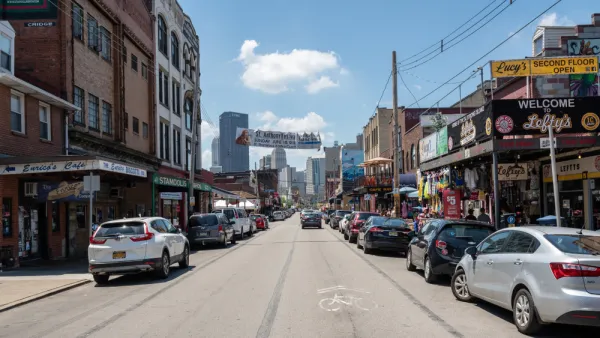
Pittsburgh Launches Pedestrian Safety Action Plan
The plan lays out strategies for improving pedestrian infrastructure and eliminating traffic deaths.
For Transportation Justice, Auto Safety Must Protect People Outside the Car
Light trucks are killing more pedestrians than ever while keeping their drivers and passengers safer. Is it time to reframe safety regulations?
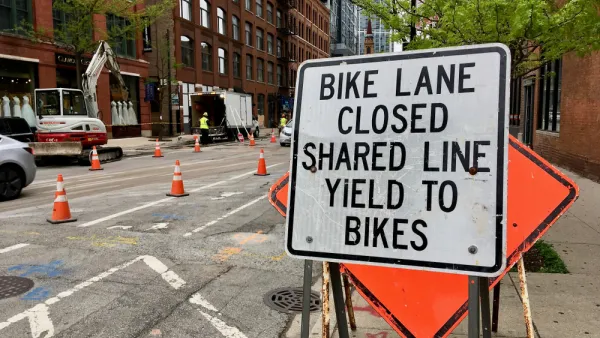
Rebuilding From the Failures of Vision Zero
Vision Zero pledges in New York City and Washington, D.C. have failed to slow the carnage on streets and roads—traffic fatalities are only increasing. It's time to start over.
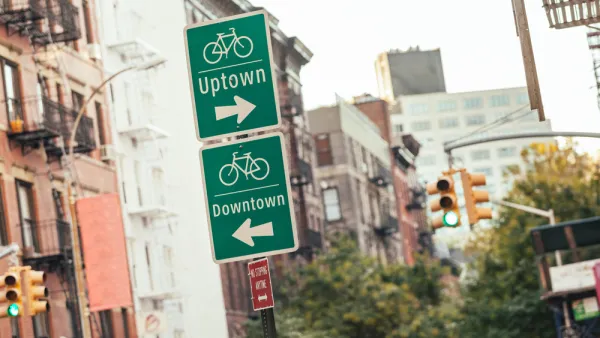
Can I Be a Libertarian for Bike Lanes?
Discussing the trade-offs between making government leaner and making traffic safer.
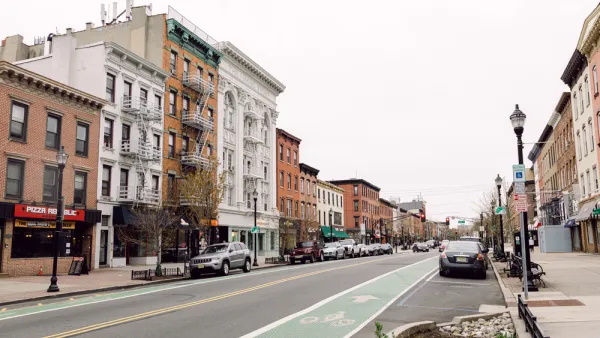
No Traffic Deaths for Three Years: The Story of Hoboken's Vision Zero Success
Hoboken has spent the past several years investing in new bike infrastructure, and traffic collisions of all kinds have since decreased.
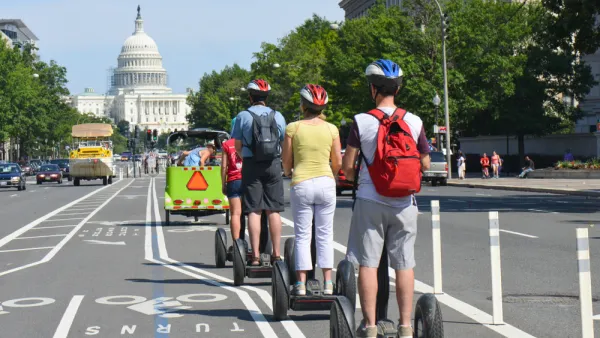
Infrastructure Bill an Opportunity to Redesign Transportation to Move People, not Cars
By focusing on traffic safety, the Biden administration's proposed $2 trillion infrastructure has a chance to make good on its potential to shift the nation's infrastructure planning for the benefit of the people and the planet.
Zero Traffic Deaths Isn't as Far Fetched as It Sounds
Even supporters of Vision Zero—a goal to eliminate traffic fatalities from roadways adopted by cities and states all over the United States—doubt that such lofty ambitions are possible. But there are plenty of reasons to believe in the cause.

Portland had an 'Unusual and Tragic' Year for Traffic Deaths
The Portland Bureau of Transportation's annual traffic crash report highlights the city's slow progress towards its Vision Zero goal.
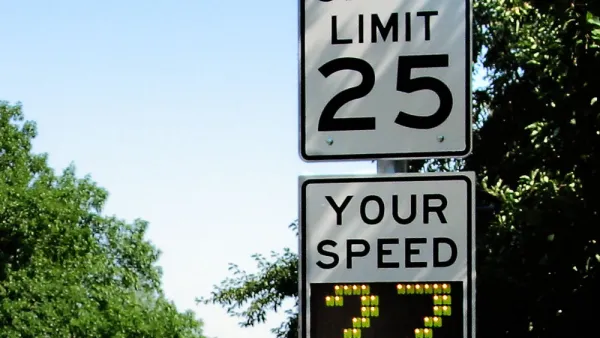
Speed Limit Reform Spreading Across Minnesota
After the Twin Cities lowered speed limits in the urban core of the region in 2020, a trio of suburban cities are planning to follow. Two of the cities are planning to set some speed limits as low as 20 mph.
Survey Says New Yorker Want More Protected Bike and Bus Lanes, Less Parking
A new survey reveals broad support for a less car-centric approach to capital investment in the city of New York.
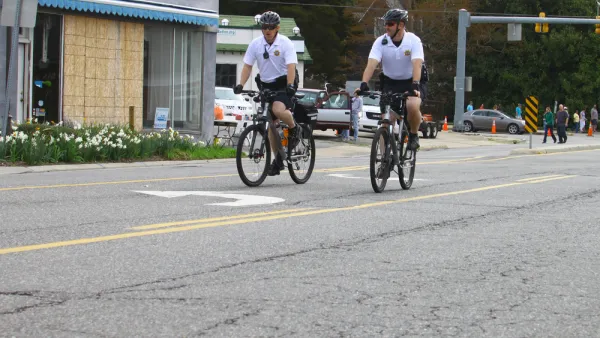
Virginia's Proposed Bicycle Safety Act Puts the Onus on Drivers
Three-foot passing rules are safe. Requiring drivers to change lanes to pass people on bikes are even safer.

FREE Course: Walkable City 1: Why Walkability?
After describing his path towards focusing on walkability as the essence of good planning, Jeff Speck marches through his five principal reasons for making more walkable places.
Reinventing Malls: Planning Alchemy—Turning Gray Fields Into Gold
The course focuses on the opportunities and imperatives that shape reinvention of mall sites.

City of Rosemead
Rutgers University, Edward J. Bloustein School of Planning and Public Policy
One Hundred Miles
Hunter College, City University of New York (CUNY)
The Architects Foundation
University of Cincinnati Online
City of Cambridge
Montrose County
The Pocatello Development Authority









