transit access
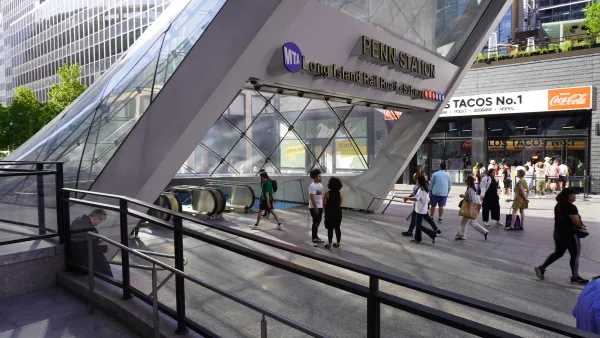
Which US cities have the most housing near transit?
Concentrating housing near frequent, reliable transit offers advantages to both residents and transit agencies, who can serve more riders more efficiently.
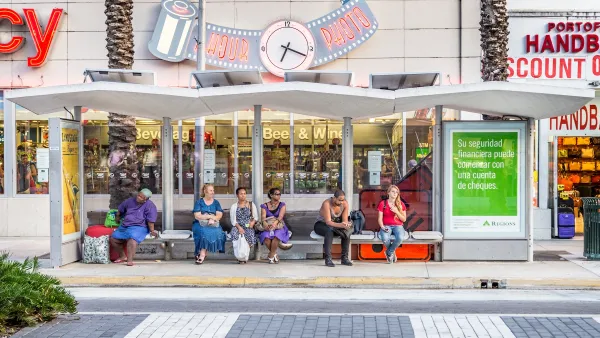
Report: Just 10% of US households live near 'frequent, reliable' transit
The analysis highlights how sprawl and a lack of transit investment perpetuate car dependency for most Americans.
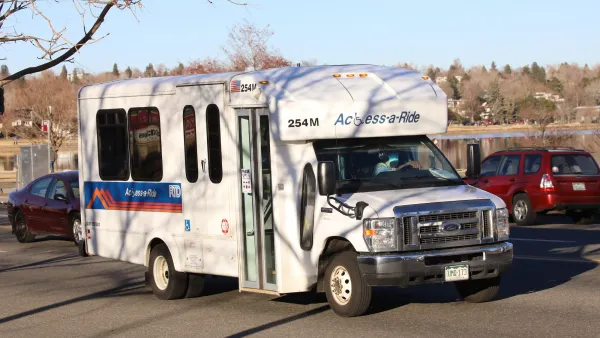
Denver Advocates Sue RTD for Charging People With Disabilities for On-demand Transit
The suit argues the agency is violating the rights of Americans with disabilities while lowering fares for other riders.
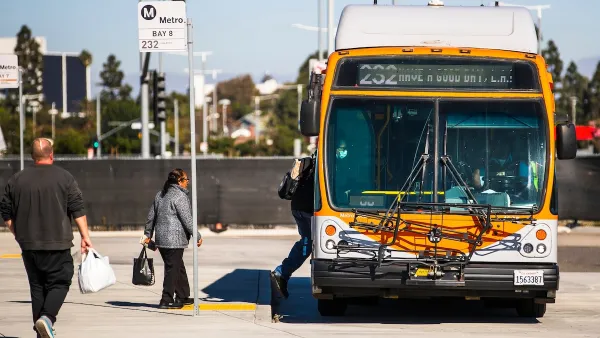
Report: Reduced Fare Transit Programs Reach Less Than Half of Eligible Riders
Discount programs designed to help low-income transit riders have participation rates that rarely hit 50%, signaling a lack of effective outreach to eligible households.
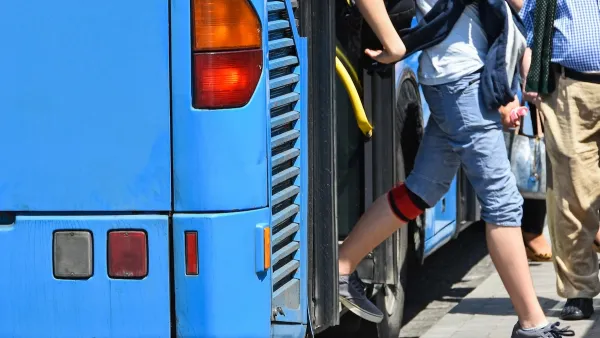
Opinion: Make Buses More Like Sidewalks
Sidewalks are an intuitive, low-cost, and easily accessible mobility tool. Can local buses function in the same way?

Preparing Transportation Systems for the ‘Silver Tsunami’
More Americans than ever will age beyond their safe ability to drive. How will they meet their mobility needs in a car-centric society?

Congress Moves to End Reconnecting Communities and Related Grants
The House Transportation and Infrastructure Committee moved to rescind funding for the Neighborhood Equity and Access program, which funds highway removals, freeway caps, transit projects, pedestrian infrastructure, and more.
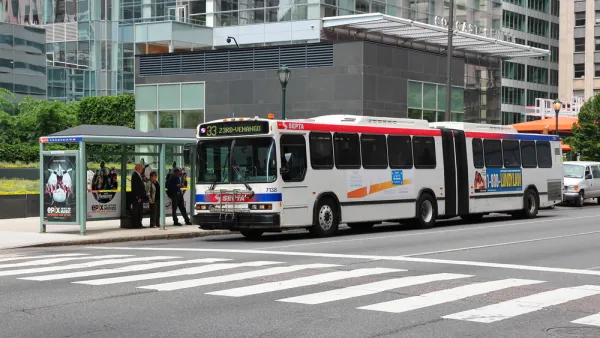
Philadelphia Councilmember Proposes Transit Access Fund
The plan would allocate 0.5 percent of the general fund toward mobility subsidies for low-income households.
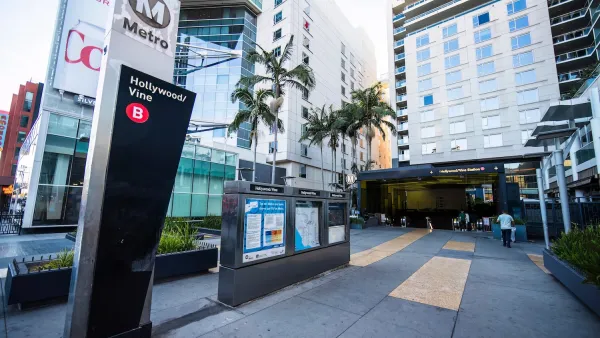
Opinion: California’s SB 79 Would Improve Housing Affordability and Transit Access
A proposed bill would legalize transit-oriented development statewide.

Culdesac Tempe Defies Expectations
Despite initial skepticism about its true potential for sustainable urbanism, the built-from-scratch “car-free neighborhood” is widely popular with its residents.
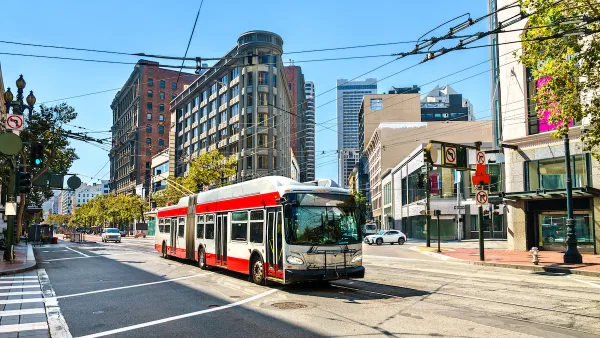
San Francisco Tops ‘Urban Mobility Readiness’ List
An annual analysis of global cities assesses public transit, technology, and sustainability.
Study: Automobile Dependency Reduces Life Satisfaction
Automobile dependency has negative implications for wellbeing. This academic study finds that relying on a car for more than 50 percent of out-of-home travel is associated with significant reductions in life satisfaction.
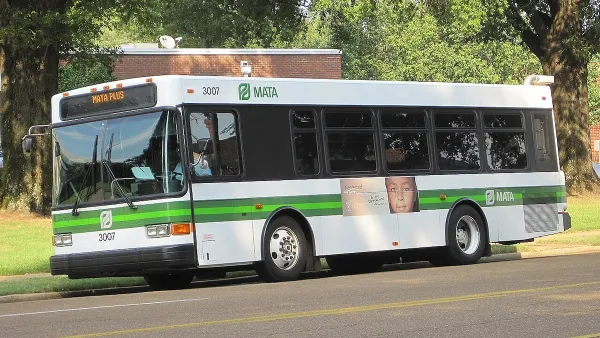
Limited Transit Access Stifling Memphis Economy
The city ranks low for transit access to jobs, limiting opportunities for local workers and businesses.
Planning for True Transportation Affordability: Beyond Common Misconceptions
Transportation affordability is important but often misunderstood, resulting in misguided solutions. New research helps identify ways to provide true affordability for economic freedom, opportunity and happiness.
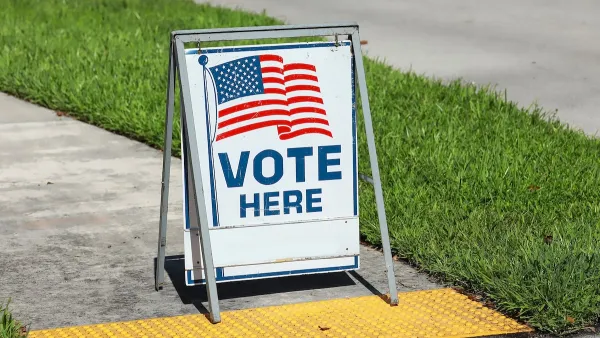
Public, Private Transportation Systems Offer Free Election Day Rides
From transit agencies to ride-hailing, bike share, and car rentals, transportation companies are encouraging people to vote by offering free and discounted rides to polling locations.
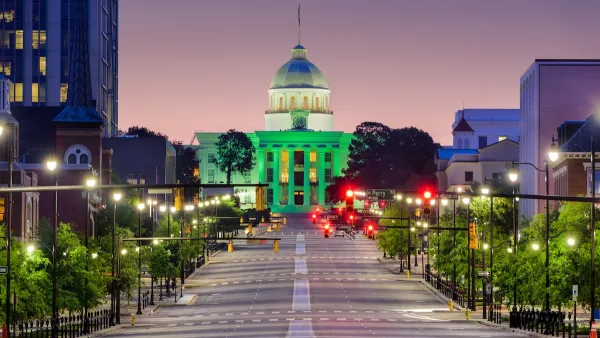
Proposed Alabama Bill Would Fund Public Transit
The senator who introduced the legislation cited concerns about the state’s low levels of workforce participation, noting that a lack of transportation is one of the main reasons Alabama residents can’t participate in the workforce.
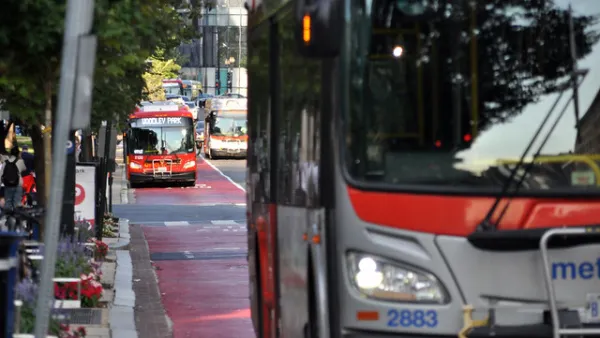
DC Improving Transit Equity
The Transit Equity Dashboard reveals a more marked improvement in transit access in the District of Columbia than in other metro areas.
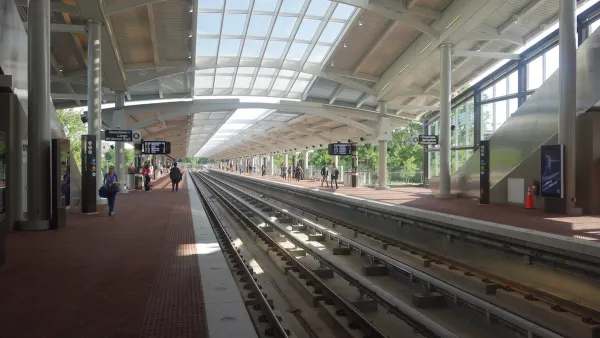
‘Infill Stations’ Bring Transit Closer to Residents
Building new stations along existing transit lines can significantly increase access in formerly passed-over neighborhoods.
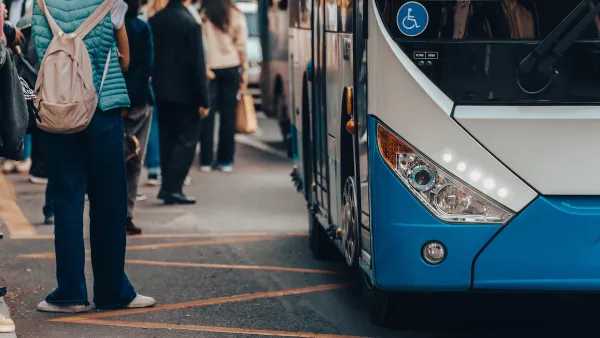
Responding to Public Transit Criticism
Public transit plays a unique and important role in an efficient and equitable transportation system. Planners must communicate the benefits that public transit provides and respond to ill-informed critics.
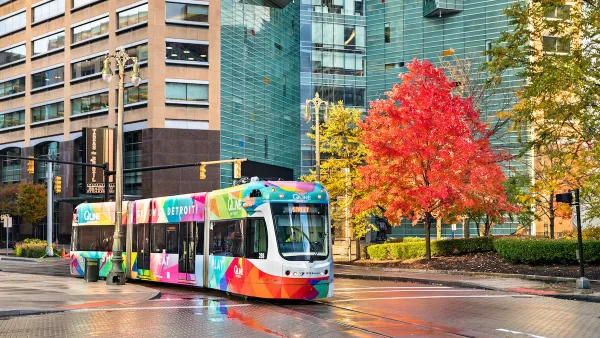
The Link Between Transit Access and Employment
Inadequate access to transportation hinders many Americans’ access to job opportunities.

FREE Course: Walkable City 1: Why Walkability?
After describing his path towards focusing on walkability as the essence of good planning, Jeff Speck marches through his five principal reasons for making more walkable places.
Reinventing Malls: Planning Alchemy—Turning Gray Fields Into Gold
The course focuses on the opportunities and imperatives that shape reinvention of mall sites.

Eagle County Government
Harvard University Graduate School of Design
Nashville Planning Department
The Architects Foundation
University of Cincinnati Online
The Pocatello Development Authority
The Urban Renewal Agency of the City of Pocatello
Journal of the American Planning Association