Remote Work
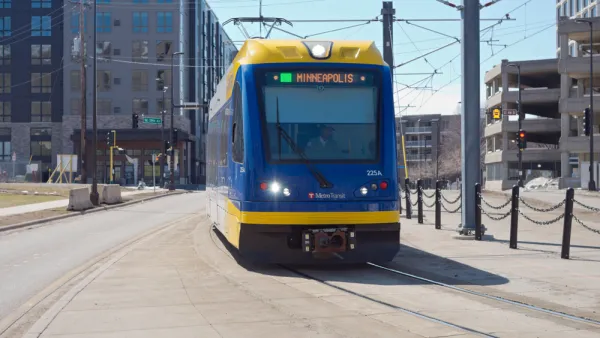
Three New Programs to Increase Transit Ridership in the Twin Cities
With peak hour commuter travel not expected to rebound to pre-pandemic levels, Metro Transit is getting creative in its efforts to attract new riders.
Long Commutes in Seattle Fell Sharply During the Pandemic
The number of people commuting 20 minutes or more each way dropped by close to half a million, while short commutes rose slightly.
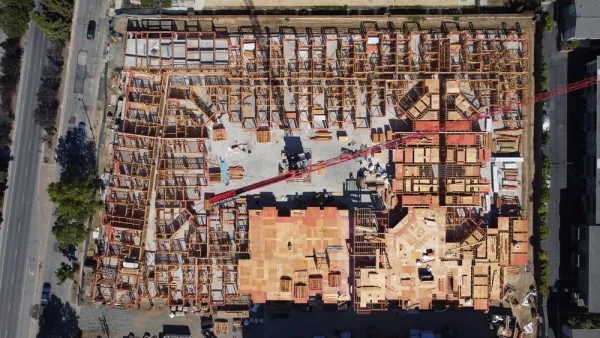
Small Downtown Businesses Adapt to Fewer Office Workers
Businesses that traditionally serve commuters have had to make adjustments to stay in business as remote work empties out central business districts.
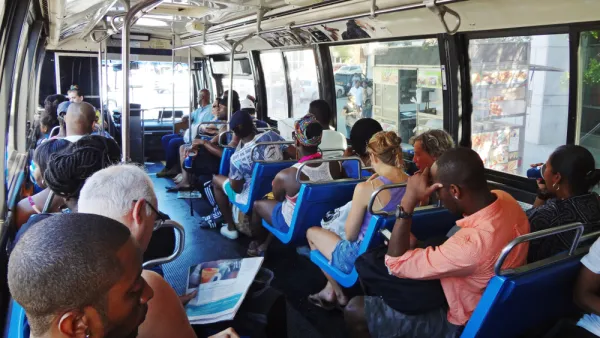
Transit Needs Service Changes, Now More Than Ever
As travel patterns and needs shift, transit agencies should look at service changes as a much-needed 'regular practice.'
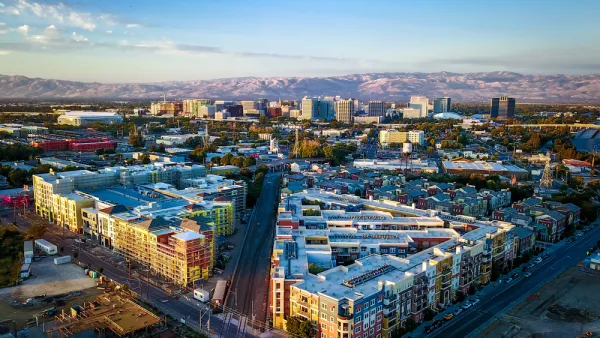
Bay Area Workers are Moving Back
Many of the tech employees who left Silicon Valley during the pandemic are making their way back to the Bay Area–and so are higher rents.
Remote Work Won't Radically Change Where We Work
As tech firms like Apple expand their satellite offices and remote work opportunities, economists and work experts debate just how much the dispersal made possible by remote work will be held in check by the forces of agglomeration.
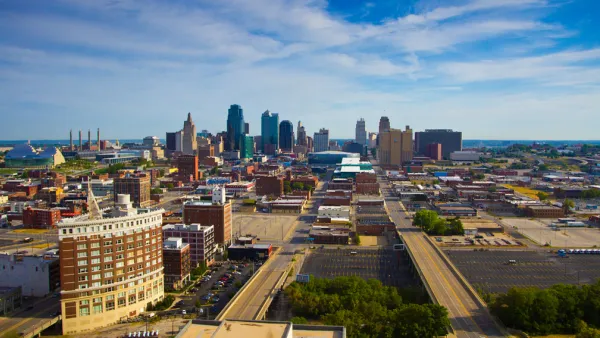
The 'Zoom Boom' Can't Save the Midwest
Although remote work has opened up new housing possibilities for many Americans, data indicates that migration flows to 'heartland' cities have been relatively modest.
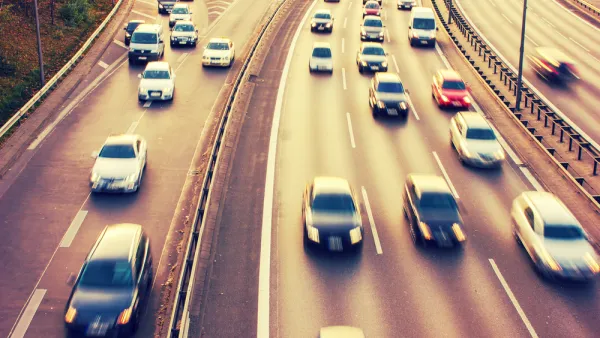
Why You Might Miss Your Commute–and How to Replicate its Benefits at Home
According to "boundary theory," a daily commute gives us time to do the emotional work of switching roles and establishing a separation between work and home life.
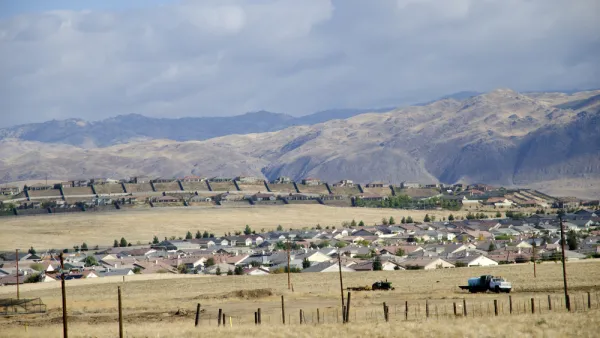
What Are Exurbs?
Farther out than suburbs but still connected to a major urban center, exurbs lie at the ever-shifting border between urban and rural spaces and are defined by economic ties to a city, low density housing, and high population growth.
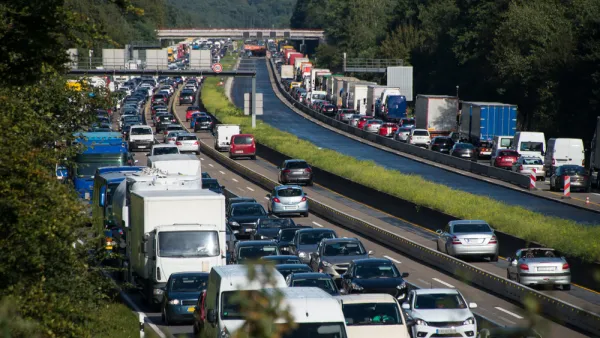
Can Pandemic-Era Changes Ease Painful Rush Hours?
If even a small fraction of workers continue to work remotely or have more flexible hours, the resulting reduction in rush hour travelers could have a significant impact on peak hour congestion.
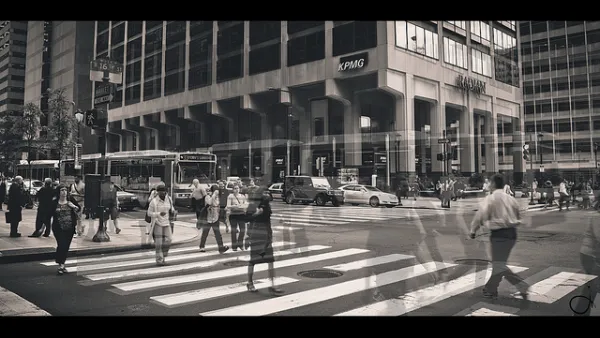
The Future of Downtowns Still Hangs in the Balance
Center City in Philadelphia offers a case study for one of the largest and potentially most consequential contingencies of the pandemic: What happens to downtowns is most workers never come back to the office?
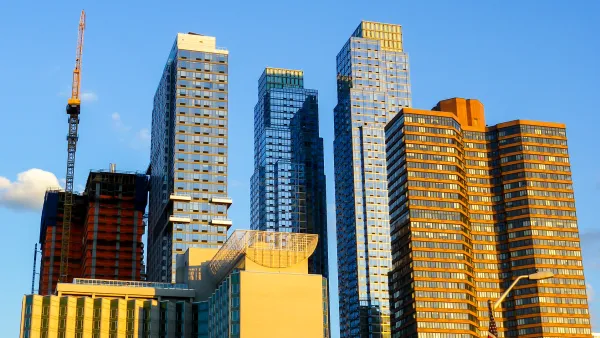
The Future of Central Business Districts
Urbanist Richard Florida assesses post-pandemic possibilities for neighborhoods that once relied on 9-to-5 workers.

Orlando Now Less Affordable than San Francisco
An analysis of housing affordability shows rising costs in America's smaller cities.
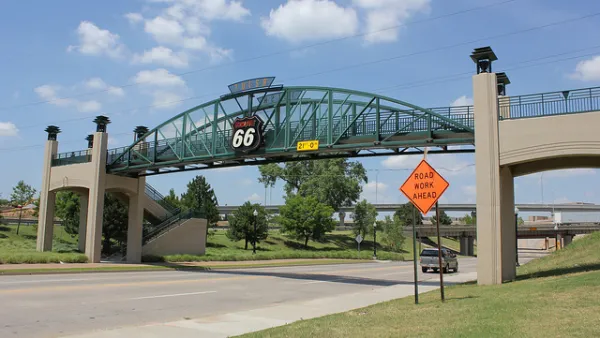
Towns Offering Cash to Lure Remote Workers
Smaller cities are luring newly untethered workers with cash incentives, bikes, and other local perks.
Is Remote Work Actually More Environmentally Friendly?
An online calculator helps companies determine the broader impacts of their decisions to continue working remotely or return to the office.
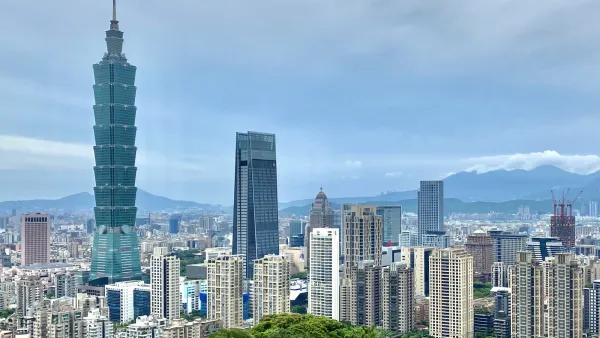
Californians Seek Normalcy by Relocating to Taiwan
As the pandemic continues to disrupt life in the United States, some Taiwanese Americans are rebuilding their lives abroad.
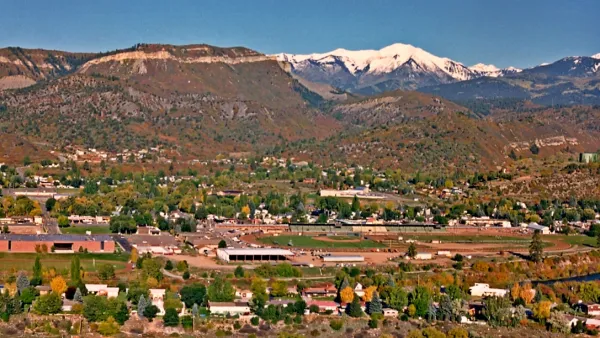
How Working From Home Is Changing Where We Live
Remote workers are flocking to small, amenity-rich towns in the West, changing their social and economic landscape.
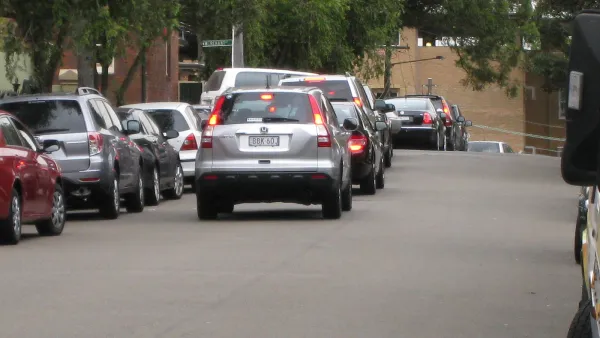
The Future of the Typical, Solo Car Commute
A study finds that a third of workers would prefer to work remotely every day of the workweek, potentially removing nearly 50 million cars from U.S. roadways.
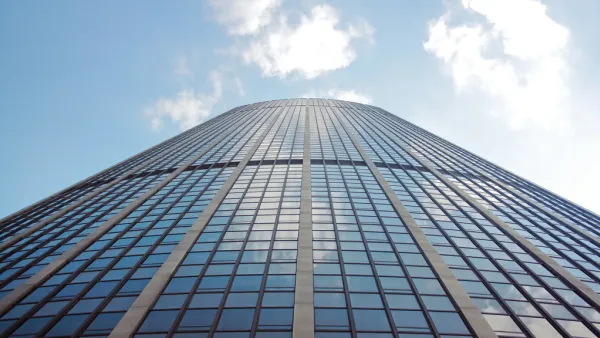
Office Space: So Last Year?
Did coronavirus bring certain death to the traditional concept of the office, or is it only a matter of time until we return to business as usual?
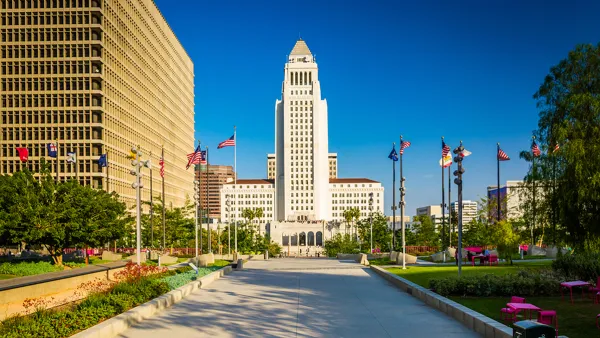
L.A. Department of City Planning Goes Remote
Los Angeles Department of City Planning Director Vince Bertoni shares the status of the planning department and the daily challenges of providing public-facing service and community meetings under social distancing orders.

FREE Course: Walkable City 1: Why Walkability?
After describing his path towards focusing on walkability as the essence of good planning, Jeff Speck marches through his five principal reasons for making more walkable places.
Reinventing Malls: Planning Alchemy—Turning Gray Fields Into Gold
The course focuses on the opportunities and imperatives that shape reinvention of mall sites.

KFH Group Inc.
Greater Baltimore Committee
Eagle County Government
The Architects Foundation
University of Cincinnati Online
The Pocatello Development Authority
The Urban Renewal Agency of the City of Pocatello