Did coronavirus bring certain death to the traditional concept of the office, or is it only a matter of time until we return to business as usual?


Nixey says that offices have been on their way out for a while now. "A combination of rising rents, the digital revolution and increased demands for flexible working meant its population was slowly emigrating to different milieux. More than half of the American workforce already worked remotely, at least some of the time," Nixey reflects. Did coronavirus forever change organizational culture, giving the boot to the office workspace as we knew it?
When the valuation of office sublet company WeWork fell from $47 billion to about $12 billion, it became unclear if bougie snacks, natural light, and modern furniture were enough to keep the workforce at their desks. In addition to the physical toll of sitting at a desk for 8 waking hours per day, Nixey wonders if people are taking note of the more philosophical benefits of spending more time away from the office touted by thinkers like Thoreau and Wordsworth. Nonetheless, humans are social creatures and need social encounters to maintain a sense of connection and personhood. Perhaps this connection is one of the benefits of the traditional office, concedes Nixey.
FULL STORY: Death of the office

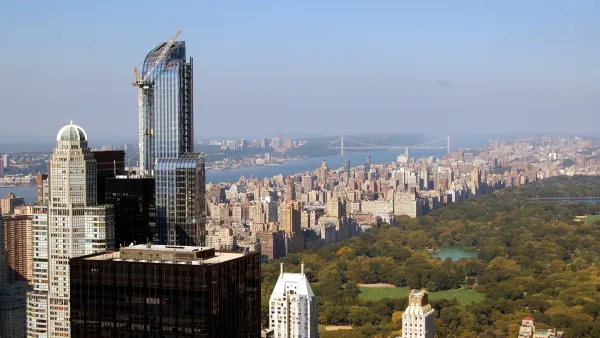
Office-to-Residential Conversions Considered as Workers Go Remote
Reduced demand for office space after coronavirus could lead New York landlords to consider the conversion of offices to residential spaces.
D.C., San Francisco Lead Pandemic Work From Home Trend
Remote work increased threefold during the pandemic, but the numbers vary significantly from city to city and region to region. Almost half of D.C.-area employees, for example, worked from home in 2021, according to American Community Survey data.
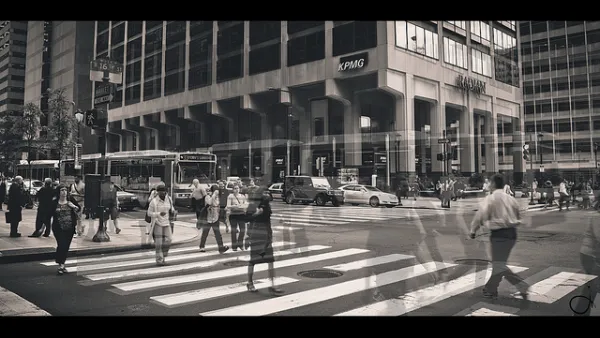
The Future of Downtowns Still Hangs in the Balance
Center City in Philadelphia offers a case study for one of the largest and potentially most consequential contingencies of the pandemic: What happens to downtowns is most workers never come back to the office?

The state-sanctioned urbicide of Austin
People don’t kill cities. Freeways do.

US to reduce Colorado River water deliveries to Mexico
A new Colorado Treaty amendment reduces Mexico’s Colorado River water allocation by 250,000 acre feet.

New Jersey’s second-largest city bans standalone data centers
Jersey City will continue to allow co-location facilities, such as those meant for research institutions that store their own data.

Amtrak not solely to blame for New Jersey commuter rail's unreliability, report finds
A new study from the Garden State Initiative found that NJ Transit’s budget grew 20% across a 4 year period, but reliability declined significantly over the same period.

EPA erases limits on planet-warming pollution from power plants
Under Monday’s plan, power plants would still have some limits on how much mercury, arsenic and other contaminants they can emit.

Phoenix announces new on-demand transit service, more frequent RAPID buses
Both new services will launch in October, and are part of Phoenix's Project Effective Access Solutions for Easing Congestion.

FREE Course: Walkable City 1: Why Walkability?
After describing his path towards focusing on walkability as the essence of good planning, Jeff Speck marches through his five principal reasons for making more walkable places.
Reinventing Malls: Planning Alchemy—Turning Gray Fields Into Gold
The course focuses on the opportunities and imperatives that shape reinvention of mall sites.

Eagle County Government
Harvard University Graduate School of Design
Nashville Planning Department
The Architects Foundation
University of Cincinnati Online
The Pocatello Development Authority
The Urban Renewal Agency of the City of Pocatello
Journal of the American Planning Association