Population Growth

Could Seattle Be the U.S. Vancouver?
Seattle appears to be following the Vancouver, B.C. model by increasing population and residential density while investing in transit. If it works, traffic congestion will not deteriorate, and vehicle trips should drop.
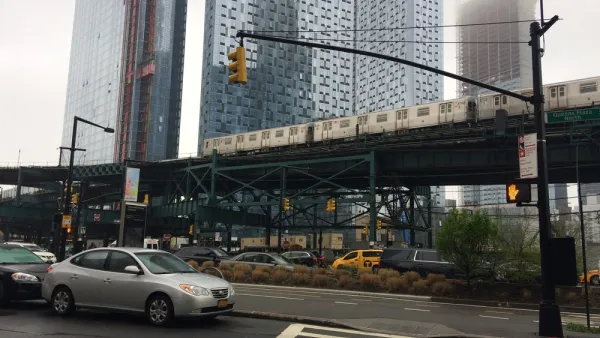
Hyper Urban Growth Without Residential Displacement
Here's a change: Displacement in the nation's fastest growing urban neighborhood has largely been limited to businesses. The new highrises have given Queens something it never had: a skyline.

Richard Florida: 'The Urban Revival Is Over'
The author of the "The Rise of the Creative Class" and the "New Urban Crisis" says cities have had their moment.

For Discussion: Why Are More Millennials Choosing the Suburbs?
A trio of journalists gathers to discuss statistics that show the trends of U.S. population growth has shifted to suburban areas.
Raising the Alarms as Hurricane Harvey Heads for Houston and the Gulf Coast
Hurricane Harvey was expected to make landfall late Friday or early Saturday. If the damage in human and economic terms is terrible, a lack of infrastructure maintenance and development responsibility will be to blame.
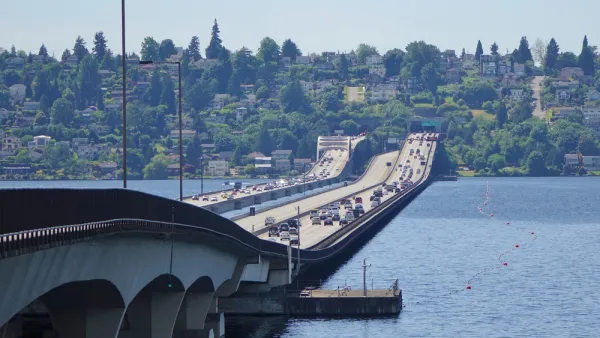
New Levels of Car Dependence Follow Seattle's Growth
By any measure, Seattle is growing at a breakneck pace. But with those new residents come cars, and all the infrastructure and land use inefficiencies they bring.

Another Problem to Blame on Millennials
First the auto companies blamed millennials for not driving enough, and now demographers blame them for the nation's declining birth rate.

A Closer Look at the Appeal of the Fastest-Growing City in the U.S.
The "small-town feel" of Conroe, Texas is touted as one of the reason for its quick population growth.
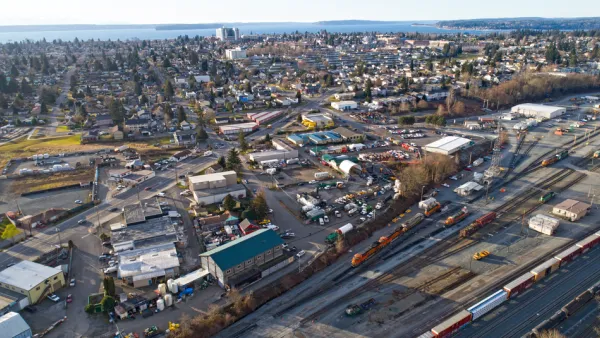
Seattle's Cup Runneth Over: Suburb Launches Long-Range Transit Plan to Handle Growth
The city of Everett is expecting a 60 percent jump in population by 2035, most of which will be focused in its city center. All of those people will also need an efficient and useful citywide transit system.
Infill Comes to Atlanta's Single-Family Neighborhoods
The Atlanta metropolitan area is facing an estimated 2.5 million new residents by 2040. Some current residents are surprised at some of the neighborhoods accommodating that growth.

Canada's Growth Trending Toward the Suburban
According to this opinion piece, the tales of urbanizing Canada are overblown. "We're a suburban nation," says one of the sources quoted in the article.
Census Data Reveals 2016 Population Winners and Losers
The U.S. Census released its 2016 population data today. It feels a lot like a popularity contest.

California Growth Shows an Exurban Pattern
The "back to the city" narrative might make for good headlines, but an analysis of California's growth patterns tell a different story. Take San Diego County as an example.
Population Decline in the Latest Census Estimates
Not only are suburbs growing, many of the larger, older cities that had reversed decades of population decline, are now losing population, again. The biggest losers: counties with the greatest population densities.
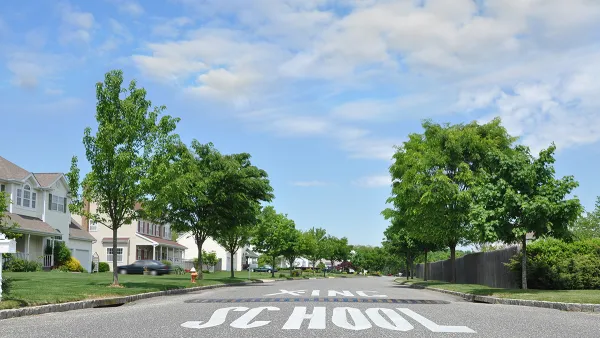
New Census Data Confirms: Suburban Areas Lead U.S. Growth
Post-recession population growth in the United States looks a lot like pre-recession growth in the United States. As some have predicted or already noticed: the story of U.S. growth is still suburban.

Population Boom Continues to Stretch Cairo's Resources
This year, Cairo is estimated to grow by half a million people, but the city's economy is not keeping pace to support all of them.

A New Downtown Master Plan for Everett, Washington
The city of 108,000 is preparing for major growth in the next 20 years.

Which States Grew and Which Didn't
Texas and Utah were the leaders in growth for the 2015-2016 fiscal year; Illinois lost more residents than any other state.
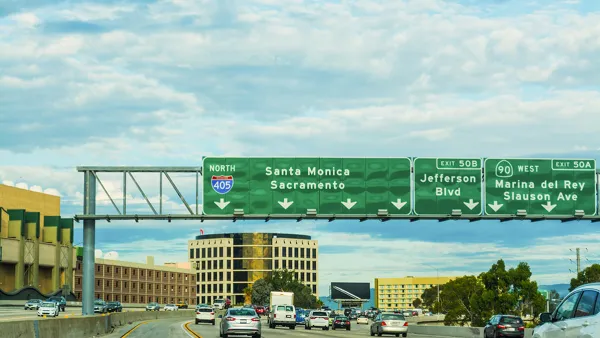
California's Birth Rate Drops to Lowest in Recorded History
Fewer babies are being born in the nation's most populous state, now estimated at 39.4 million residents, according to new data by the California Department of Finance. The state grew by .75 percent, adding 295,000 people in the year ending July 1.

Americans Continue Relentless Increase in Driving
New data released by the Federal Highway Administration shows that vehicle mile traveled increased three percent for the first nine months of 2016 compared to the same period last year. Driving has increased continuously since April 2014.

FREE Course: Walkable City 1: Why Walkability?
After describing his path towards focusing on walkability as the essence of good planning, Jeff Speck marches through his five principal reasons for making more walkable places.
Reinventing Malls: Planning Alchemy—Turning Gray Fields Into Gold
The course focuses on the opportunities and imperatives that shape reinvention of mall sites.

KFH Group Inc.
Greater Baltimore Committee
Eagle County Government
The Architects Foundation
University of Cincinnati Online
The Pocatello Development Authority
The Urban Renewal Agency of the City of Pocatello