Population Growth

Study: Economy and Population Growing Faster Than Humanity's Footprint
The study compares data between 1993 and 2009.

Planetizen Week in Review: July 18, 2016
The Planetizen Week in Review is back.

Families Departing Philadelphia for the Suburbs
That headlining claim is found in a recent research study from Pew Charitable Trust's Philadelphia Research Initiative—more demographic goodies are included.

Population Analysis—Explained and Exemplified
Yonah Freemark provides a comprehensive explainer of the nuts and bolts of population analysis, applying that expertise to an examination of downtown population change.

Explained: D.C. Gains '1,000 New Residents Every Month'
Officials and residents in Washington, D.C. are often heard saying that the District is gaining 1,000 new residents every month. But what does it mean?
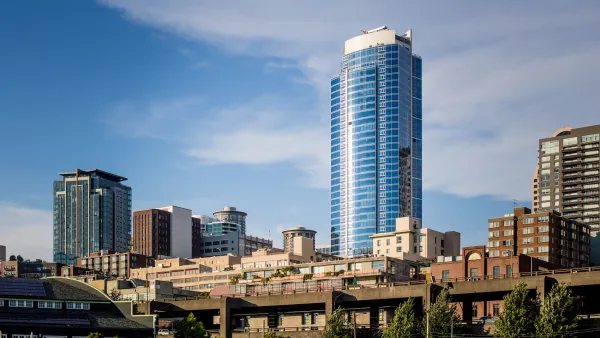
The Why and How of Locating a School in Downtown Seattle
A Seattle writer makes the case for a new school to be located in Downtown Seattle.

Leaving Chicago
Why are folks fleeing from the city and the state in record numbers? Is domestic migration to blame for the Chicago region's population loss last year of over 6,000 and the state's loss of over 22,000 people?
Population Growth Trends Return to Pre-Recession Norms
It's almost like the Great Recession and the Great Urban Renaissance never happened, as Americans are moving to the suburbs and the Sunbelt than to the nation's urban areas.
Lots of Positive Signs for Pittsburgh in 2016
Good news for Pittsburgh, which is now officially reversing decades of Rust Belt trends.
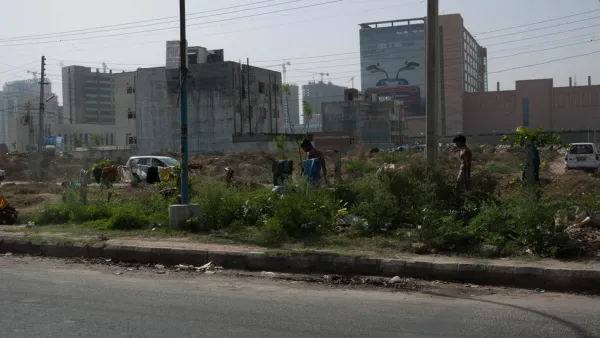
Friday Eye Candy: India's Rapid Urbanization
Photographer and architect Lars Mortensen captured the new face of urbanization in Gurgaon, a suburb of New Delhi. The scales involved are unprecedented, and rich and poor live in close proximity.
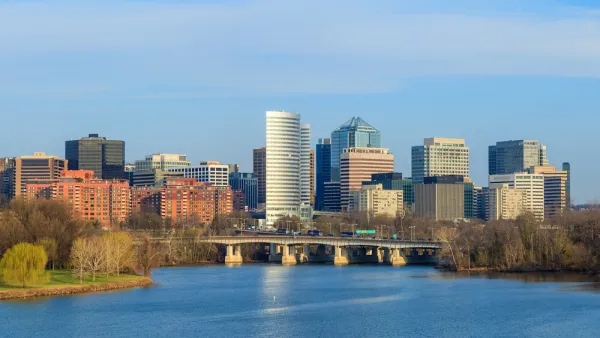
Population Growth Shifts to Urban Virginia
Newly released data from the Weldon Cooper Center's Demographics Research Group shows a state shifting in population growth northward—toward Washington D.C. and inner ring suburbs.
China Ends One-Child Policy
It's the end of an era. After 36 years, China has decided to end its restrictive one-child policy, by allowing couples to have two children. Why the change? In three words: an aging population.
Challenges and Opportunities Found in Nevada's 'Diversity Explosion'
A rapidly changing population might make Nevada a more thorough exemplar of the challenges and opportunities presented by the "diversity explosion" than its neighboring state to the west.

Pushing Back Against the Idea that Cities Can Become Full
The perception that a city has reached its maximum population and nobody else should be allowed in, or nothing should be allowed to change, is limiting the potential of our cities and increasing housing inequality.

Ghost Towns Remain After Rush to Build in North Dakota Oil Boom
Bloomberg details the sudden, catastrophic decline of the real estate market in North Dakota following the oil bust of the last year. Municipalities and investors are on the hook for thousands of new and approved building units.

The Dangers of Dumb Luck for Hurricane-Zone Transplants
The relative calm of the last decade may be luring hundreds of thousands of new coastal residents into a false sense of comfort.
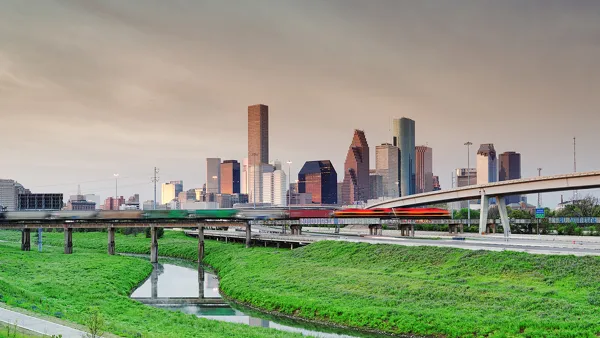
Houston on Target to Become Nation's Third Largest City
The Philly Voice provides a primer on Houston's ascendance up the ranks of major U.S. cities as it evolves into a more urban version of itself.
Hospitals Scaling Up Along With Houston's Population
Houston's status as one of the fastest growing metropolitan areas in the country has not gone unnoticed by the healthcare industry.
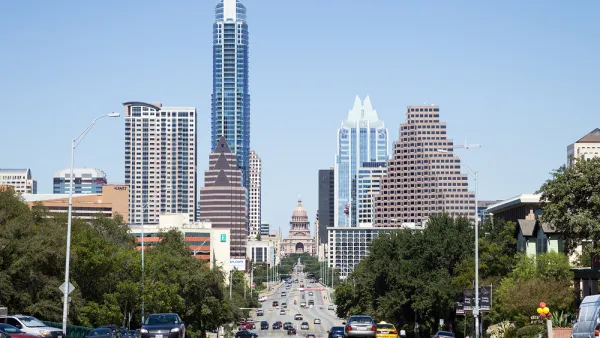
Census Data: Growth Trends Favor Sunbelt Cities
Although city growth continues to outpace the suburbs, the nation's three largest cities are experiencing a growth slowdown. Sunbelt cities like Austin and Orlando are picking up the slack.

Whatever Happened to the Population Bomb?
Biology Professor Paul Ehrlich's 1968 book, "The Population Bomb," took America and the world by storm. The apocalyptic vision based of population outgrowing its resources appeared to make inherent sense.

FREE Course: Walkable City 1: Why Walkability?
After describing his path towards focusing on walkability as the essence of good planning, Jeff Speck marches through his five principal reasons for making more walkable places.
Reinventing Malls: Planning Alchemy—Turning Gray Fields Into Gold
The course focuses on the opportunities and imperatives that shape reinvention of mall sites.

KFH Group Inc.
Greater Baltimore Committee
Eagle County Government
The Architects Foundation
University of Cincinnati Online
The Pocatello Development Authority
The Urban Renewal Agency of the City of Pocatello