The Atlanta metropolitan area is facing an estimated 2.5 million new residents by 2040. Some current residents are surprised at some of the neighborhoods accommodating that growth.


"More and more, though, developers are looking for new places to squeeze in homes — even in metro Atlanta neighborhoods that have been there for decades," according to an article by Arielle Kass.
"As the price of land goes up, traffic gets worse and more people want to be closer to jobs in Atlanta and the northern Perimeter, any extra space is enticing to builders, said John Hunt, principal of real estate research firms ViaSearch and MarketNsight.
The article surveys the metropolitan area, identifying some of the less-than-dense neighborhoods where infill and population growth has coalesced at this point in the region's growth cycle. Neighborhoods and cities like Roswell, Decatur, Glenridge, Sandy Springs, and Brookhaven make an appearance as examples of the infill and growth trends.
FULL STORY: As metro Atlanta grows, development creeps into existing subdivisions

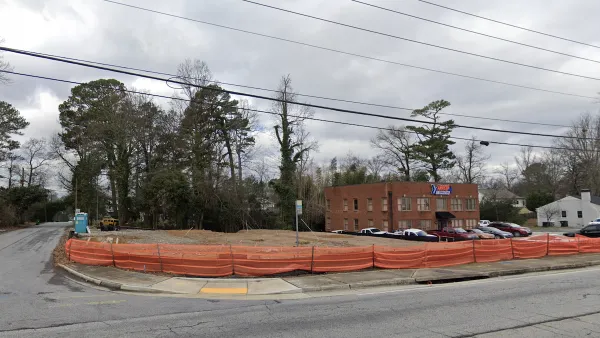
Atlanta Infill Project Takes Inspiration From Dutch Design
A residential development includes a central courtyard designed to be shared by pedestrians and cars.
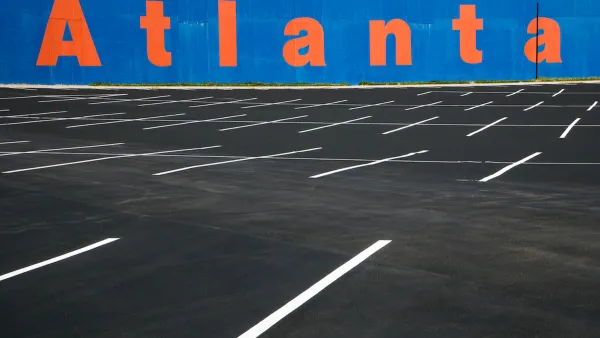
Parking Takes up One-Quarter of Downtown Atlanta
The city’s downtown core devotes an abnormally high percentage of its historic blocks to parking.
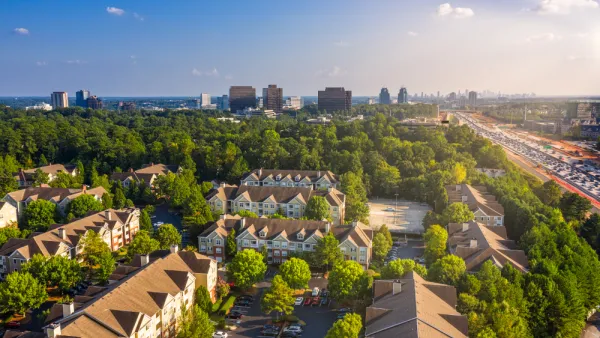
Report Links Housing Growth and Climate Resilience
Data from three U.S. metro areas show a failure to address land use and sprawl as a key factor driving climate change.

Planetizen Federal Action Tracker
A weekly monitor of how Trump’s orders and actions are impacting planners and planning in America.

The state-sanctioned urbicide of Austin
People don’t kill cities. Freeways do.

US to reduce Colorado River water deliveries to Mexico
A new Colorado Treaty amendment reduces Mexico’s Colorado River water allocation by 250,000 acre feet.

Baltimore to break ground on $50 million Transit Priority Project
The project will bring faster bus trips, safer streets and better bike connections to Baltimore.

Airbnb launches $250 million 'last-dollar financing' housing accelerator, makes first investment in Austin
The company will put $6.4 million towards affordable housing development in Texas’ capital.

Guerilla urbanists are building DIY bus stop benches in Chicago
A before-and-after of one of the bus stops with a new bench. The new benches are not officially sanctioned or permitted, but the residents who placed them hope they will be the start of a network of DIY benches across the city.

FREE Course: Walkable City 1: Why Walkability?
After describing his path towards focusing on walkability as the essence of good planning, Jeff Speck marches through his five principal reasons for making more walkable places.
Reinventing Malls: Planning Alchemy—Turning Gray Fields Into Gold
The course focuses on the opportunities and imperatives that shape reinvention of mall sites.

Eagle County Government
Harvard University Graduate School of Design
Nashville Planning Department
The Architects Foundation
University of Cincinnati Online
The Pocatello Development Authority
The Urban Renewal Agency of the City of Pocatello
Journal of the American Planning Association