The U.S. Census released its 2016 population data today. It feels a lot like a popularity contest.


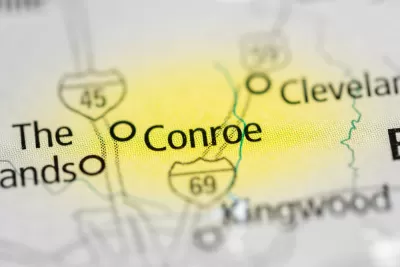
The U.S. Census today announced new population estimates. On the Census Bureau website, the headlining news from the new report was that ten of the 15 fastest growing cities in 2016 are located in the South.
Conroe, Texas (near Houston), was the fastest-growing large city (population of 50,000 or more) between 2015 and 2016 at 7.8 percent, making its growth rate more than 11 times the nation’s growth rate of 0.7 percent. Some of the other fastest-growing cities were: Frisco, Texas (6.2 percent); McKinney, Texas (5.9 percent); Greenville, S.C. (5.8 percent); and Georgetown, Texas (5.5 percent).
A few more of the big takeaways from the report, as presented by the Census Bureau's announcement, include:
- Columbus, Ohio passing Indianapolis to become the 14th most populous city in the country.
- Regional differences in population change of small towns: 1) Northeast small towns declined by 0.5 percent, 2) Midwest small towns declined by 0.3 percent, 3) Small towns in the South grew by 0.2 percent, and 4) Western small towns saw the largest growth with an increase of 0.8 percent.
- League City, Texas was the only city to cross the 100,000 population mark in 2016. Five cities (Aliso Viejo, California; Parker, Colorado; Logan, Utah; Cerritos, Colorado; and Coeur d'Alene, Idaho) crossed the 50,000 mark.
Housing unit growth remains below pre-Recession levels in every state except North Dakota, Iowa, and the District of Columbia.
The Washington Post picked up the news, reporting on the national trends and focusing on the growth of suburban areas relative to cities. "In the tug of war between the suburbs and the city, the suburbs are once again on top, growing faster than cities for the first time since 2010," writes Tara Bahrampour in the lede of the article.
Mary Bowerman also reported on the country's fastest growing cities for USA Today.
Lyman Stone also wrote of how population estimates tend to be revised lower in cities where immigration is driving population growth. That tendency held true with today's release.
Finally, many local media outlets picked up the news of the new population estimates all over the country. Here is a sample of local stories:
- Seattle once again nation’s fastest-growing big city; population exceeds 700,000 (The Seattle Times)
- Frisco, McKinney in battle for nation's fastest-growing city, but a Texas rival edges them out (The Dallas Morning News)
- Census Bureau says Cleveland's population slips to 385,809; North Ridgeville fastest growing city regionally (Cleveland.com)
- Suburban growth remains strong in central Ohio (The Columbus Dispatch)
- It's official: Charleston is now South Carolina's largest city; Greenville among fastest-growing in nation (The Post and Courier)
- Detroit's population still down, despite hopes (Detroit Free Press)
- Nashville overtakes Memphis as Tennessee's largest city (The Commercial Appeal)
Read the full story: The South Is Home to 10 of the 15 Fastest-Growing Large Cities


The 15 Fastest-Growing Cities in the US
The U.S. Census Bureau released new 2023 population estimates on May 16 showing a slew of data for cities of all sizes and regions. Do you know the population change last year for the 15 largest cities in your state?
California Continues its Losing Streak
California's population continued to shrink for a third consecutive year according to the U.S. Census Bureau's population estimates for the year ending July 2022, but business columnist Jonathan Lansner saw glimmers of hope in the data.
The Pandemic Population Picture Comes Into Focus
Big U.S. cities lost population as the pandemic loitered into its second year. Suburban cities in Idaho, Arizona, Texas, and Florida grew the fastest during that time.

Planetizen Federal Action Tracker
A weekly monitor of how Trump’s orders and actions are impacting planners and planning in America.

Amtrak, CN end decades-long dispute with eight-year agreement
The new operating agreement establishes an updated framework for the companies to work together, including processes to resolve disputes.

Nation's most wind-powered state turns to coal as data centers increase energy demand
For the first time in decades, Iowa has increased its generation of coal power.

Alabama scores up to $2.5 billion federal loan for largest infrastructure project in state’s history
The Mobile River Bridge and Bayway Project aims to ease congestion at Alabama’s worst bottleneck.

Trump is considering data centers on 6 states' public land — some state officials say they had no idea
If the administration approves the proposed projects, data center and data center-related developments will cover 17,600 acres of public land.

Despite court ruling, Trump is keeping nearly all wind projects in the US on hold
At least 110 wind energy projects have not heard from the government since a federal judge ruled that the Trump administration's freeze on wind turbine clearances was likely illegal.

FREE Course: Walkable City 1: Why Walkability?
After describing his path towards focusing on walkability as the essence of good planning, Jeff Speck marches through his five principal reasons for making more walkable places.
Reinventing Malls: Planning Alchemy—Turning Gray Fields Into Gold
The course focuses on the opportunities and imperatives that shape reinvention of mall sites.

KFH Group Inc.
Greater Baltimore Committee
Eagle County Government
The Architects Foundation
University of Cincinnati Online
The Pocatello Development Authority
The Urban Renewal Agency of the City of Pocatello