Open Space
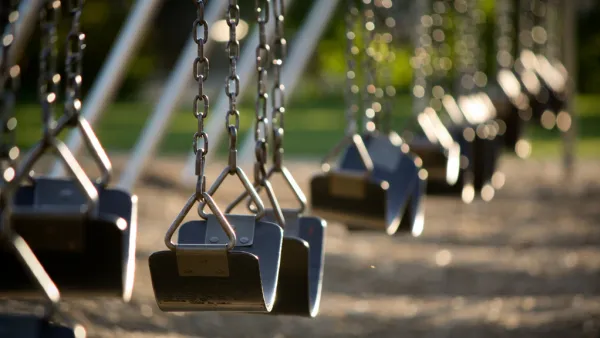
Students Contribute to Park Design Process
As a class assignment, nearly 150 high school students shared their ideas for improvements to Sorensen Park in Lake Los Angeles, California.
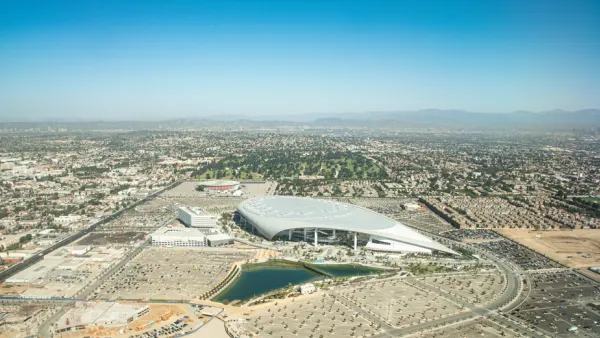
Stadiums, Space, and the City
Stadium footprints are enormous. It's time to get smarter about how they are used.
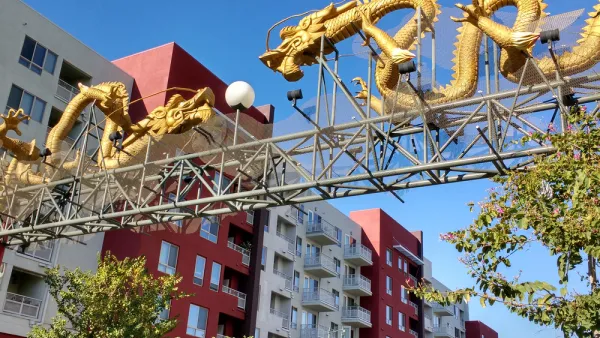
New Park Coming to Chinatown in Los Angeles
A new half-acre park is taking shape on a previously undeveloped hillside property in Chinatown, one of the more densely populated and park-poor areas in L.A.
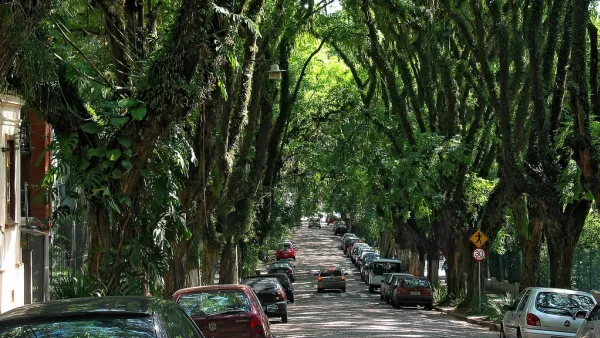
Hug a Tree. Protect a Forest.
Communities have good reasons to protect trees and forests. Planners can help make this happen.
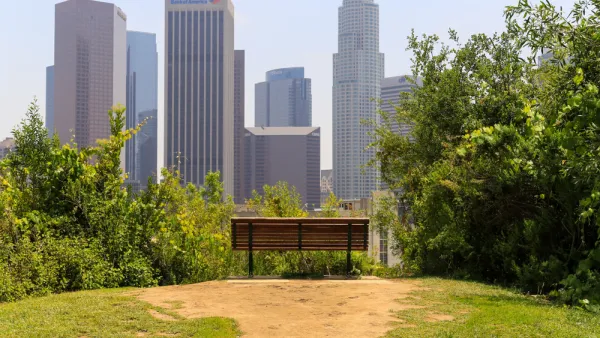
Adopting an Intersectional Approach to Parks Planning
This approach makes sense because parks are not isolated spaces, and park planning cannot be done effectively or holistically without considering the social, economic, physical, and political context in which parks are located.
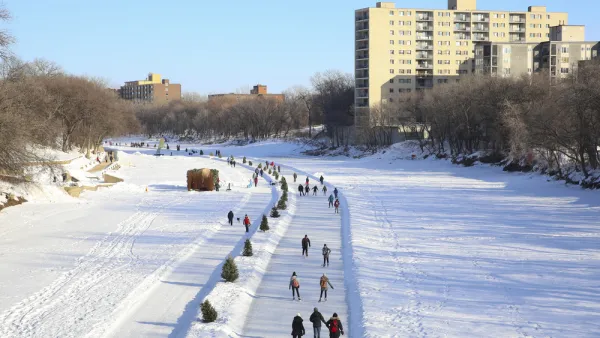
Serpentine Maze: Pop-Up Parks in the Pandemic
If the combined effects of winter's cold and the pandemic has you bummed, check out this community-building exercise in the frozen North.
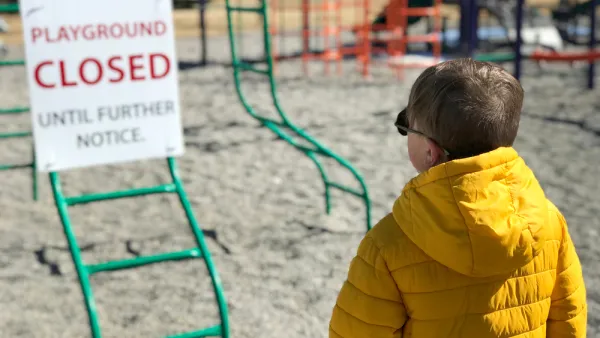
Why Playgrounds Need to Stay Open
California has reversed its decision to close playgrounds as part of the state's stay-at-home order after some legislators and parents complained and argued that children need outdoor play for their health and well-being.
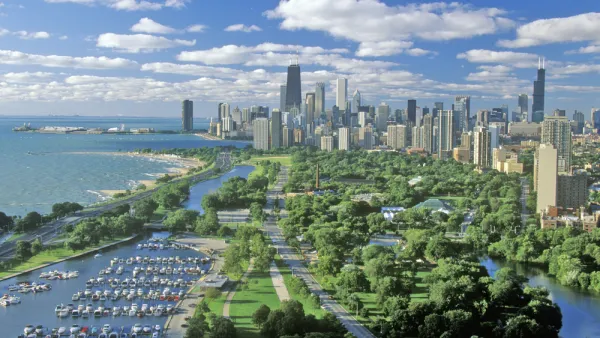
More Parks and Trees Can Increase Life Expectancy
New research shows that increasing park acreage in areas that face park deficits and low levels of tree canopy could lead to significant population-level increases in life expectancy.
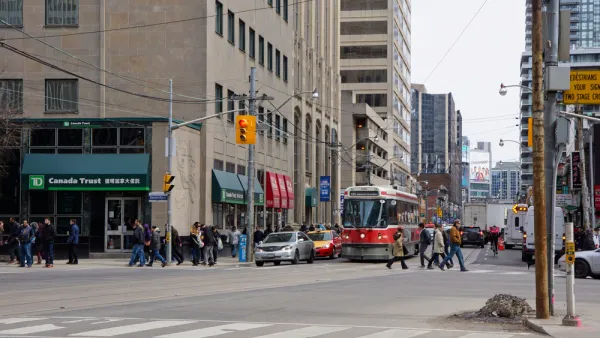
Opening Up Downtown Spaces for the Post-Pandemic City
Toronto's University Avenue is set for a major makeover, transforming nearly ten acres of pavement to connect with other open spaces to create a contiguous 90 acres of open space, ideal for safe outdoor street life.
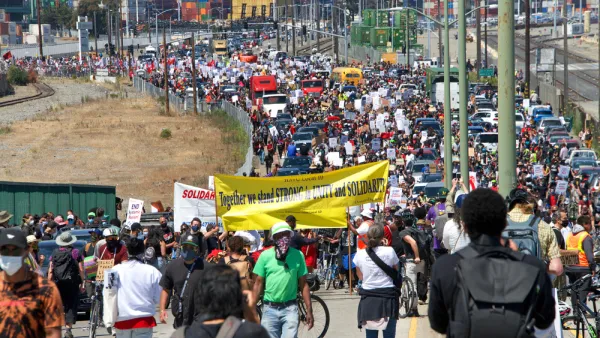
How Oakland Is Fixing its Pandemic Planning Equity Problem
The Oakland Slow Streets program, one of the most controversial developments of the early pandemic, has evolved to become the Essential Places initiative, thanks to new planning practices and a commitment to equity in Oakland, California.
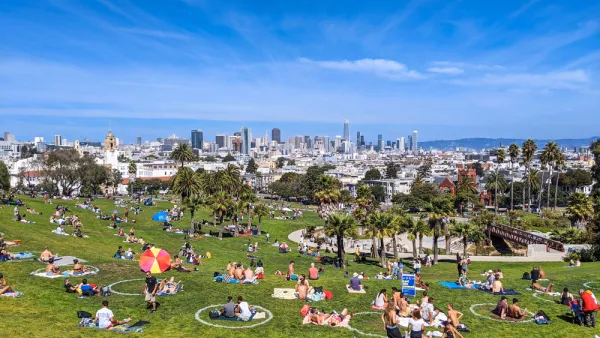
Reimagined Public Spaces and Programming During the Pandemic
Public spaces have become more important than ever. Here are five case studies of innovative and safely designed programming that engages people of all ages and backgrounds.
Outdoor Recreation Boosted by the Pandemic
The pandemic brought droves of people to Wisconsin’s outdoors, resulting in crowds on trails and at camp sites as well as a growth in the outdoor recreation and manufacturing economy.
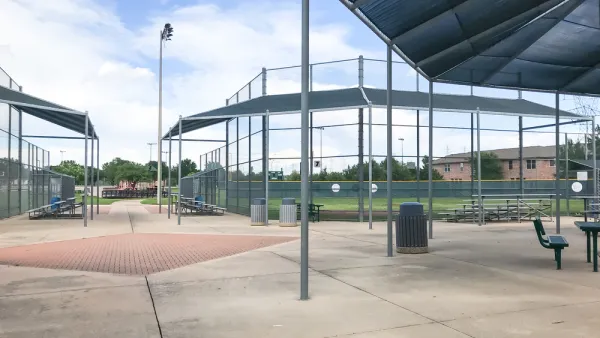
No Place to Play During the Pandemic
Youth sports in America have been devastated by the coronavirus which prompted the shutdown of programs and facilities for play and practice.
The Battle for Playgrounds
New York City parents are unhappy that fitness enthusiasts are turning to playgrounds for their workouts.
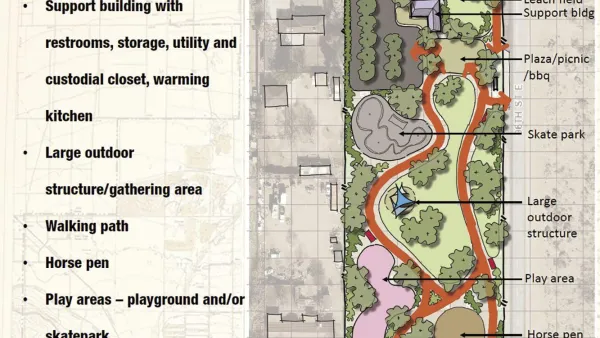
Park Planning in a Pandemic
In pursuit of a grant for park development, Los Angeles County engages community members virtually to gather input and design a new park.
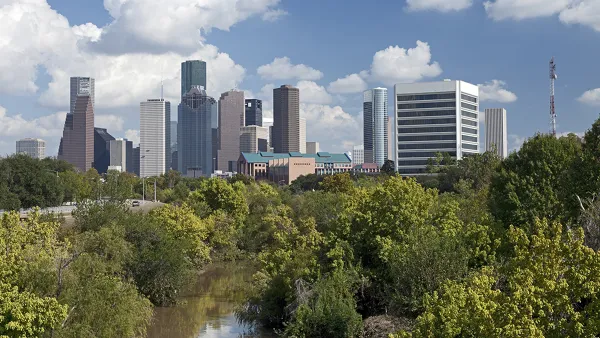
Houston Officials Draft Ordinance to Protect Natural Areas
With more than 50,000 acres of parkland, Houston is one of many cities to notice an increase in use of natural areas. Natural Resources Manager Kelly Ondracek is drafting a plan to protect the natural lands from development.
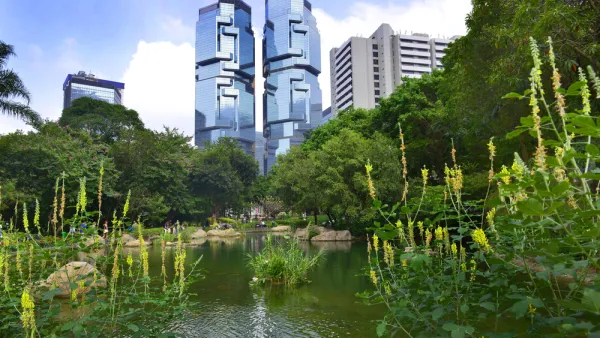
Pandemic Reveals the Importance of Open Space to Health and Well-Being
Hong Kong provides a lesson in the importance of open space for the health and well-being of residents, especially during the isolation and distancing of a pandemic.
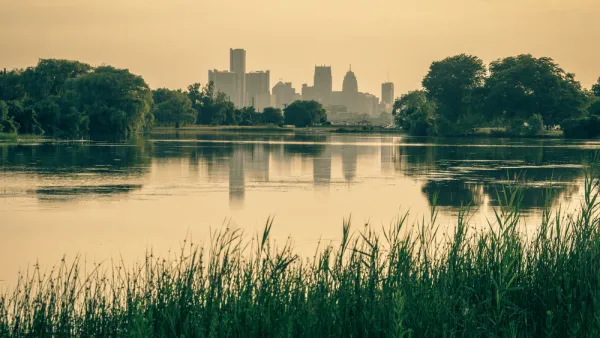
10 of America's Most Beautiful Parks
With the pandemic, people need to see and experience beauty, nature, and parks more than ever. Learn more about some of America's urban oases.
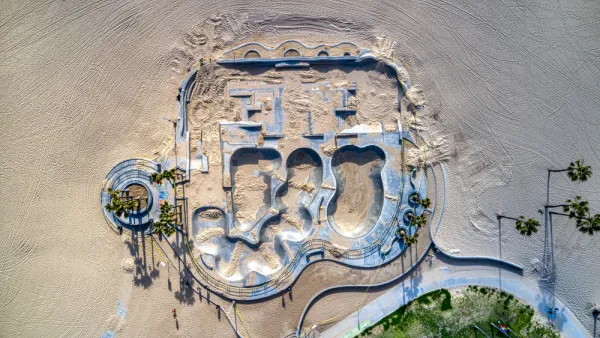
Creativity Needed to Meet Recreational Needs During a Pandemic
With COVID-19, the Los Angeles County Department of Parks and Recreation modified its popular Parks After Dark program so that it could still meet community needs, while complying with public health orders.
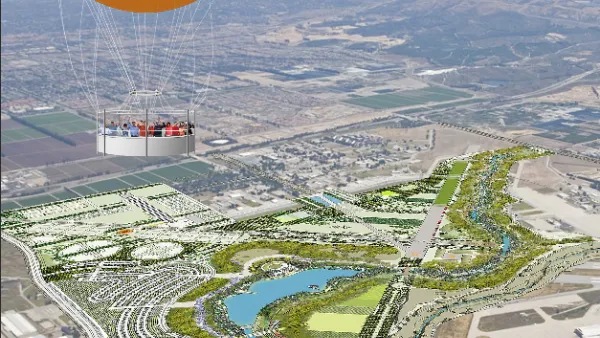
How GIS Helps Plan Parks
With constrained budgets, a geographic information system (GIS) may seem like a luxury for parks agencies. But to perform data-driven planning and advance park equity, GIS is an indispensable tool.

FREE Course: Walkable City 1: Why Walkability?
After describing his path towards focusing on walkability as the essence of good planning, Jeff Speck marches through his five principal reasons for making more walkable places.
Reinventing Malls: Planning Alchemy—Turning Gray Fields Into Gold
The course focuses on the opportunities and imperatives that shape reinvention of mall sites.

City of Rosemead
Rutgers University, Edward J. Bloustein School of Planning and Public Policy
One Hundred Miles
Hunter College, City University of New York (CUNY)
The Architects Foundation
University of Cincinnati Online
City of Cambridge
Montrose County
The Pocatello Development Authority









