With more than 50,000 acres of parkland, Houston is one of many cities to notice an increase in use of natural areas. Natural Resources Manager Kelly Ondracek is drafting a plan to protect the natural lands from development.


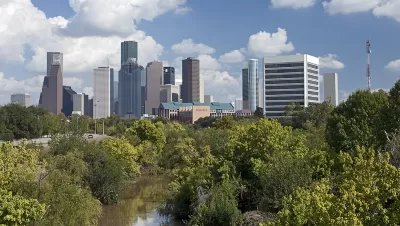
The "Impacts of COVID-19 on American's Natural Areas," report, recently published by the Natural Areas Conservancy, shows "an observed increase, relative to previous years, in public use of urban natural areas since March 2020."
The report calls for a future in which access to natural areas in cities are supported and prioritized. Cinnamon Janzer reports that Houston, one of the cities surveyed, is taking the initiative to protect natural areas in the city's parkland from development. Officials have done so by "putting in sports fields or playgrounds or amphitheaters. Over the last year, Natural Resources Manager Kelly Ondracek and her team have been working to identify 7,000 acres of natural parkland across 25 parks that she hopes to protect through an upcoming city ordinance," says Janzer.
Ondracek noted increased support for the efforts thanks to increased natural area use since the onset of COVID-19.
"The ordinance would hopefully mark thousands acres of city parkland as nature preserves. This would mean that amenities like parking lots and buildings would be concentrated in certain areas of a park while a good portion of the rest is left undeveloped, creating natural habitat for wildlife and allowing for nature-friendly developments like bird-friendly lighting and trail signage," writes Janzer.
Ondracek is in the process of planning a green stormwater system for and is hopeful that the ordinance will be passed by the end of the year.
Read the full story: How COVID-19 Is Inspiring Houston Officials to Preserve Natural Areas

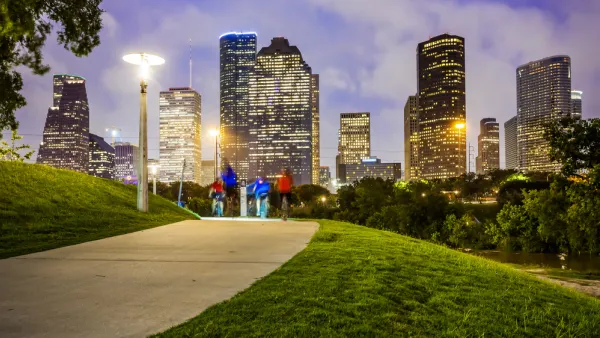
Slideshow: Walkable Houston
The Houston Chronicle shares the views in the most walkable sections of the city of Houston.
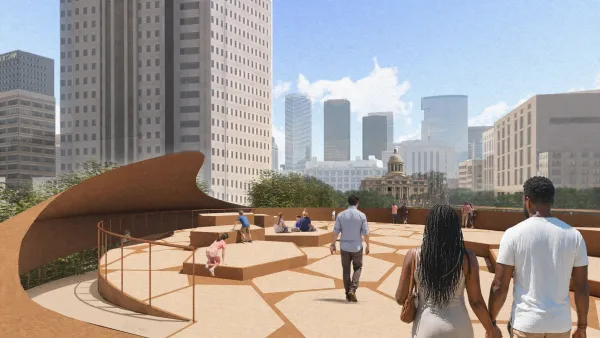
Multi-sensory Remembrance Park in Houston will honor Black history
The park is designed to highlight and memorialize the experience of enslaved Americans and the fight for freedom in Harris County.
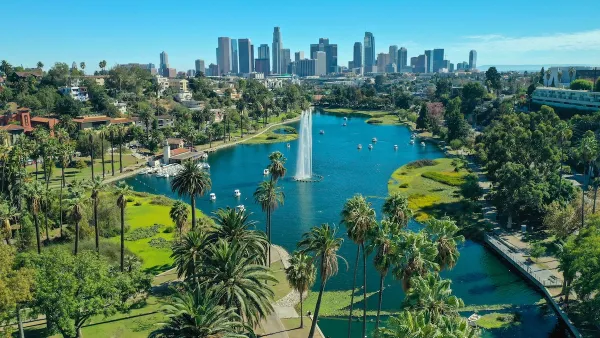
A Historic Investment in LA County’s Parks and Open Spaces
Los Angeles County has launched its largest-ever competitive grant program, investing $58 million to expand park access, enhance climate resilience, and support community-driven projects in the areas that need them most.

Planetizen Federal Action Tracker
A weekly monitor of how Trump’s orders and actions are impacting planners and planning in America.

The state-sanctioned urbicide of Austin
People don’t kill cities. Freeways do.
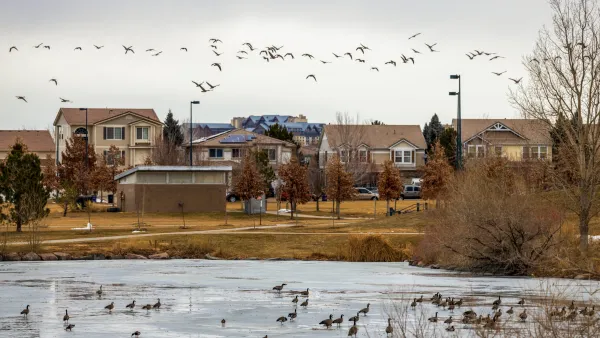
Colorado’s Largest Data Center Could Rise Next to Homes — Without a Public Hearing
The proposed campus would consume 11 times the power of Denver International Airport; as it has across the country, opposition mounts.

Nation's most wind-powered state turns to coal as data centers increase energy demand
For the first time in decades, Iowa has increased its generation of coal power.

NYC cools commuters with city's first rain garden above a bus stop
New York City officials say the plants in the rain garden can absorb 16 gallons of rainwater during heavy storms.

Brightline West’s future may rely on $6 billion federal loan
The company has until Nov. 2 to make a $400 million equity investment into its proposed high-speed rail line.

FREE Course: Walkable City 1: Why Walkability?
After describing his path towards focusing on walkability as the essence of good planning, Jeff Speck marches through his five principal reasons for making more walkable places.
Reinventing Malls: Planning Alchemy—Turning Gray Fields Into Gold
The course focuses on the opportunities and imperatives that shape reinvention of mall sites.

Greater Baltimore Committee
Eagle County Government
Harvard University Graduate School of Design
The Architects Foundation
University of Cincinnati Online
The Pocatello Development Authority
The Urban Renewal Agency of the City of Pocatello
Journal of the American Planning Association