Greenhouse Gas Emissions

Will Developers Slow the Path to Net Zero?
Cities around the world are demonstrating that net zero carbon buildings—including net zero low-income housing—can be built cost effectively.
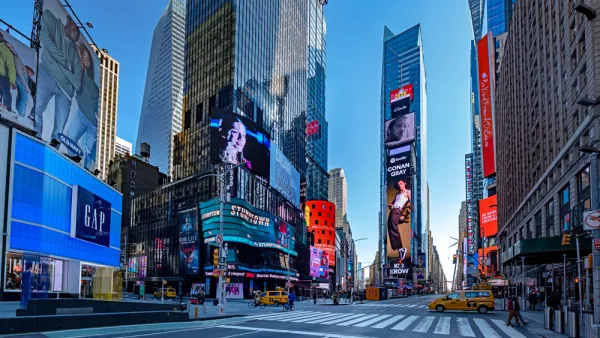
Economic Shock Lowers U.S. Greenhouse Gas Emissions Below 1990 Levels, Report Says
The decrease in U.S. economic activity during the pandemic year of 2020 reduced the country's greenhouse gas emissions by 10.3 percent.
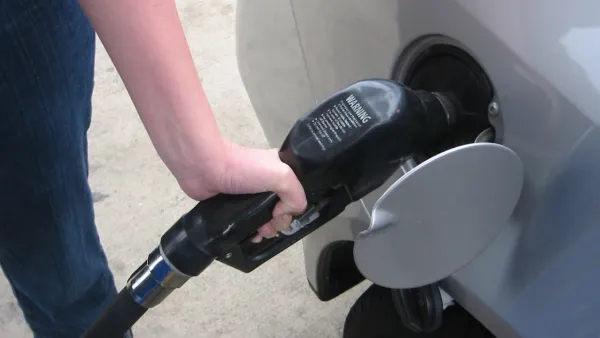
Transportation Climate Initiative Expected to Cross the Finish Line
Twelve northeastern states and D.C. are expected to sign a new cap-and-investment scheme designed to lower emissions from transportation.
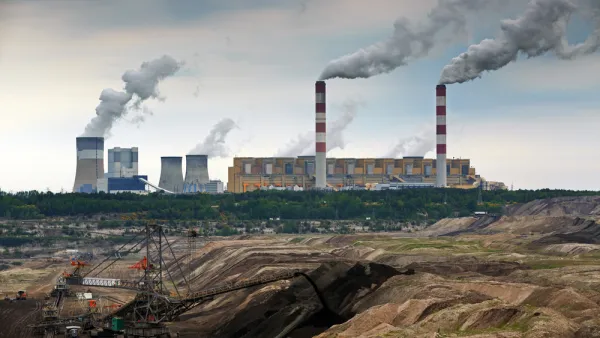
New York State Pension Fund Divests From Fossil Fuels
The announcement this week that the state of New York's employee pension fund would divest from fossil fuel industries sent shockwaves through the industry and the environmentalism movement this week.
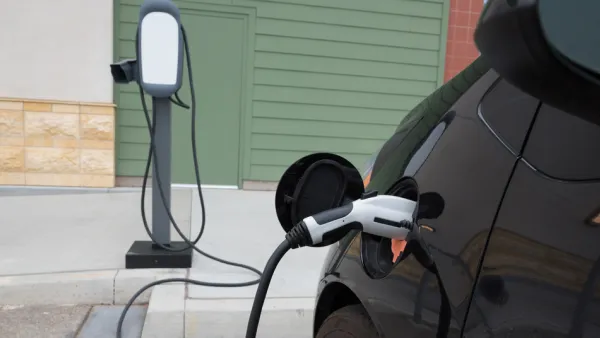
U.S. Transportation Department Key to Biden Meeting Paris Agreement Targets
Transportation is the biggest contributor to greenhouse gas emissions in the U.S, making President-elect Biden’s choice for Transportation Secretary—and the department’s policies on emissions, electric vehicles, and autonomous vehicles—critical.
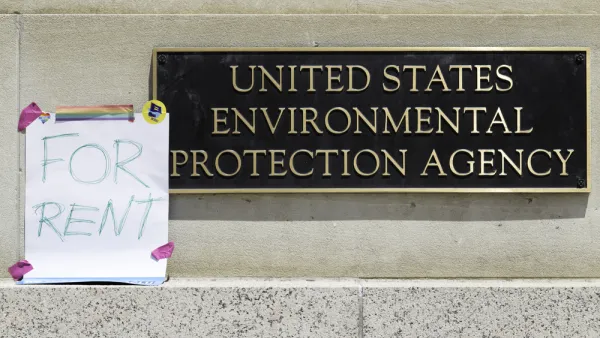
U.S. Officially Withdraws From the Paris Climate Accord
An even set in motion years ago by the Trump administration came to fruition on November 4 while most Americans were paying attention to the election.
U.S. Automakers Have Been Undermining Climate Science Since the 1960s, Investigation Reveals
It's been 50 years since researchers at General Motors and Ford Motor Co. warned the automakers about the effects of auto emissions on the planet's climate.
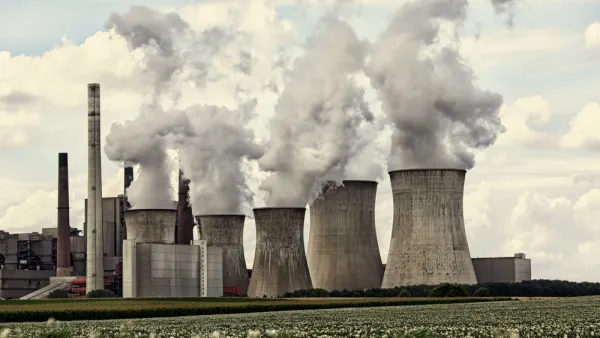
Brookings Report Measures 100 U.S. Cities' Adherence to Climate Action Pledges
A comprehensive review of the 100 largest cities in the United States shows which mayors have followed up on pledges to cut carbon emissions.

Reducing Emissions From Transportation Would Produce Huge Health Benefits, Study Says
New research suggests that cutting greenhouse gas emissions from the transportation sector would have tremendous benefits to public health.

The Cost of COVID Carbon Reduction: $3,200-$5,400 a Ton
The short-term environmental effects of the pandemic economic downturn are clear in the amount of carbon emissions that have been removed from the economy. The long-term effects, however, are subject to a number of contingencies.
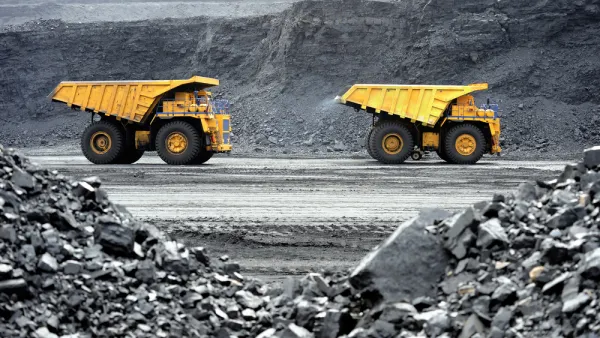
Minnesota Slowly Turns Away from Coal-Fired Energy
Minnesota utility company Xcel Energy plans to close four coal plants by 2030 and fully switch to renewable energy sources by 2050.
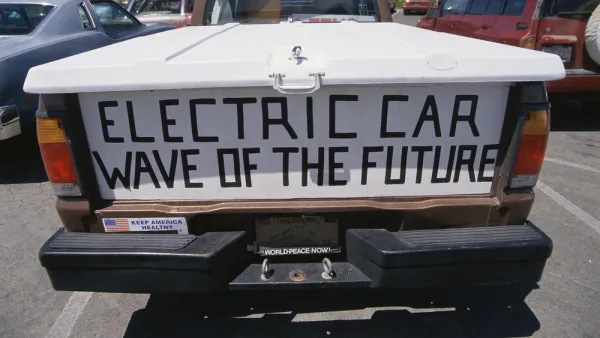
Exhaust-Free City Centers by 2030!
It’s time to harness technology for cleaner, healthier, and safer cities.
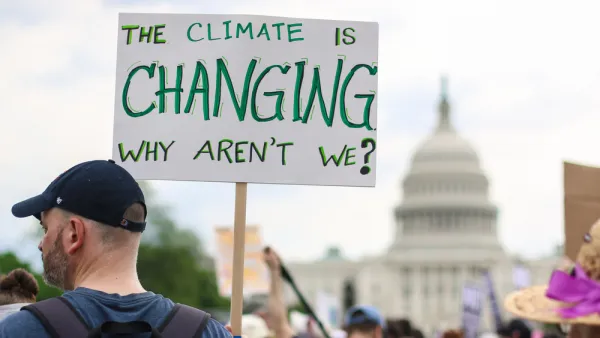
Could Greenhouse Gas Emissions Be Added To COVID-19's Casualty List?
As the world rebounds from the first wave of coronavirus, and countries around the globe prepare to spend trillions of dollars for stimulus, should the funds be earmarked to flatten the climate curve?
Greenhouse Gas Emissions Reduced 17% Worldwide in April, Study Says
A recently published study predicts a 4 to 7 percent decline in greenhouse gas emissions for 2020 compared to 2019.
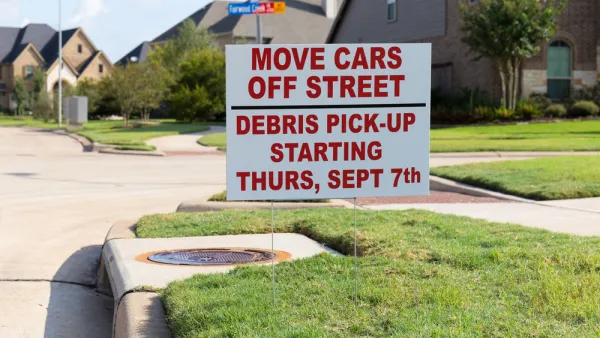
First Climate Action Plan Released in Houston
The planning legacy of Hurricane Harvey is becoming more clear in Houston, after the city released its first-ever Houston Climate Action Plan, just months after releasing the Resilient Houston plan.
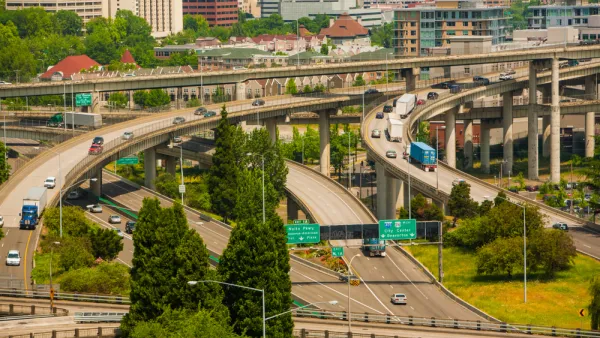
Oregon Executive Order Targets Greenhouse Gas Emissions
An executive order ramps up the effort to lower emissions in the state, much of which come from transportation.
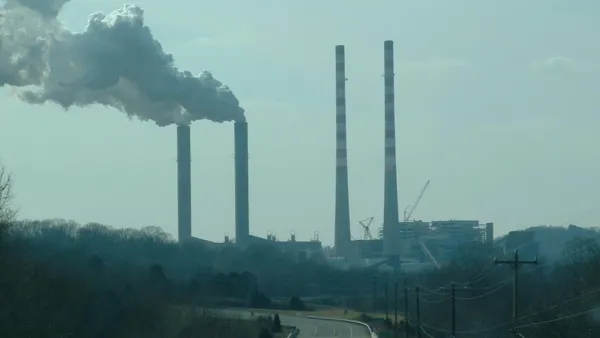
Charting the Climate Change Crisis
Analysis of global greenhouse gas emissions data points to the sectors, activities, and countries that are the biggest contributors.

Southern States Lagging in Addressing Climate Change
Cities in the South are facing a multitude of climate change impacts, but many have been slow to respond to the growing threats.
Ranking the Climate Impact of Transportation in the 100 Largest U.S. Metro Areas
This performance ranking separates the fakers from the legit operation to reduce carbon emissions from transportation.

Democratic Candidates Forget Transportation Emissions When Making Climate Plans
Multiple sources analyze the green credentials of the campaign platforms of the remaining field of Democrats vying for the highest office in the land and find one conspicuous absence: plans for reducing driving.

FREE Course: Walkable City 1: Why Walkability?
After describing his path towards focusing on walkability as the essence of good planning, Jeff Speck marches through his five principal reasons for making more walkable places.
Reinventing Malls: Planning Alchemy—Turning Gray Fields Into Gold
The course focuses on the opportunities and imperatives that shape reinvention of mall sites.

City of Thousand Oaks
City of Wisconsin Rapids
Harvard University Graduate School of Design
The Architects Foundation
University of Cincinnati Online
Northern Illinois Transit Authority (NITA)
The Pocatello Development Authority
The Urban Renewal Agency of the City of Pocatello