Fix It First
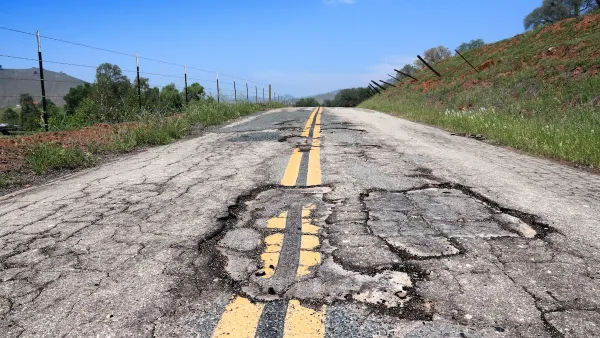
Engineers Gave America's Roads an Almost Failing Grade — Why Aren't We Fixing Them?
With over a trillion dollars spent on roads that are still falling apart, advocates propose a new “fix it first” framework.
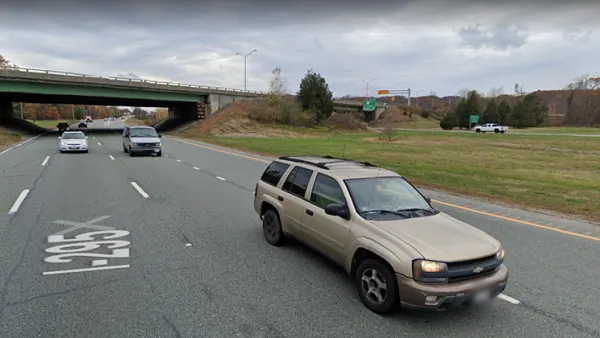
Rhode Island Funding Highway Expansion Despite Poor Road Conditions
In a Strong Towns article passionately argued by Charles Marohn, Rhode Island’s penchant for building new highway capacity while the rest of the state’s roads crumble is compared to Emperor Nero.
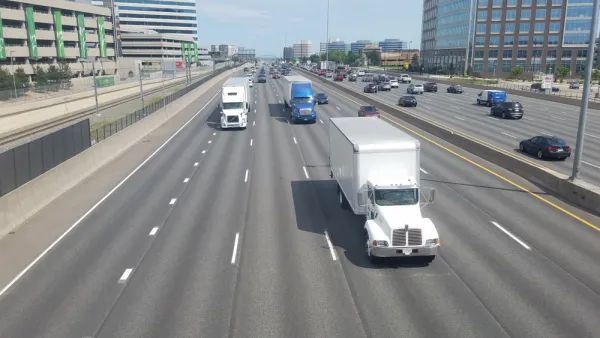
Reconciling Highway Investments With Climate Plans
The Colorado Department of Transportation has plans to expand highways, but it also has a mandate to reduce emissions from the state's transportation systems. Is it possible to do both?
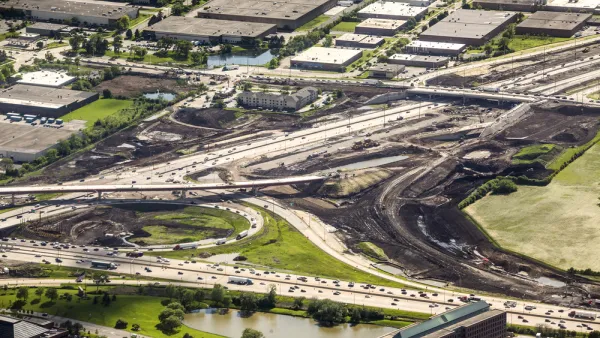
Highway Boondoggles Continue as the Pandemic Stresses Budgets at Every Level of Government
U.S. PIRG has released the latest edition of the Highway Boondoggles report, the sixth edition of the report published since 2014.
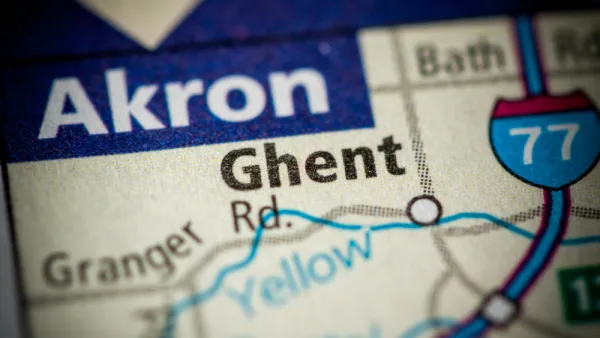
Local Opposition to Ohio DOT's I-77 Widening Plans Near Akron
The Ohio Department of Transportation wants to add lanes to Interstate 77 outside Akron to reduce congestion. Some local officials think the project will connect the region to the East Coast; others think the money would be better spent locally.

Too Many Roads for Financial Sustainability
Overpaving roads is like overeating ice cream, according to this Strong Towns article.

The Study of Maintenance
A highly recommended long-read, published by Places Journal, lays the groundwork for the study of maintenance and care.
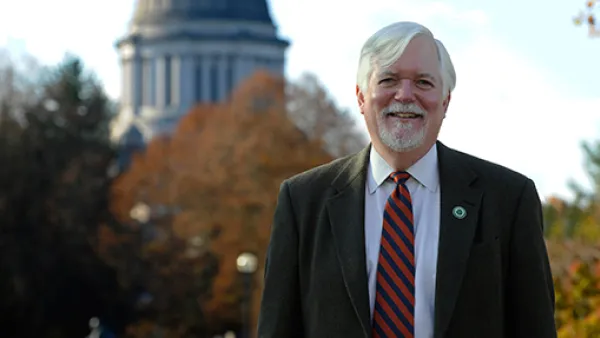
A Progressive Voice from the Washington Department of Transportation
Roger Millar, secretary of the Washington Department of Transportation, critiqued the status quo of statewide approaches to transportation planning and investment.
BART Board of Directors Votes Down Livermore Extension
A controversial vote sets a "fix it first" agenda for regional transit planning—the implications of this decision could potentially reach far beyond the scope of this single project.
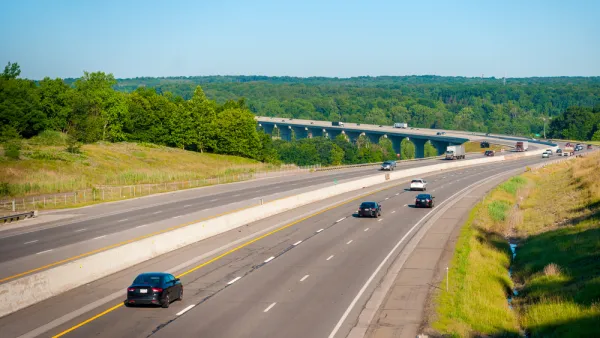
Long-Term Transportation Planning Underway in Northeast Ohio
The Northeast Ohio Areawide Coordinating Agency is in the community outreach phase of a long-term transportation planning effort. The plan is expected to be complete by the end of 2016 and ready for board approval early in 2017.
#NoNewRoads Campaign Wants to Spend Less, Get More
Strong Towns, the same organization that runs the #BlackFridayParking campaign every year, is back with another social media campaign meant to raise awareness about the effects of car dependence.
New Jersey DOT Head: 'The Days of System Expansion Are Long Over'
The acting head of the New Jersey Department of Transportation spoke of the realities of transportation investment in the current era of funding uncertainty.
Northeast Ohio Regional Planning Efforts to 'Fix It First' in Urban Areas
The Northeast Ohio Areawide Coordinating Agency (NOACA) has committed to a drastic shift in its transportation planning paradigms.

Missouri Shows How Not to Expand Highways, Though Unintentionally
The Missouri Department of Transportation will adhere strictly to a "fix it" (as opposed to "fix-it-first") policy for the next five years, because there are no funds for roadway expansion.
Increase Gas Tax—Fund Highway Expansions
While some states are cutting back on transportation expenditures as funds run short, Iowa is not one of them, having passed a 10-cent gas tax increase that took effect March 1. New highway expansions are funded in addition to "fix it first."
Op-ed: "Fix-It-First" is California's New Infrastructure Policy
In this San Francisco Chronicle Open Forum, Brian Kelly, secretary of the California State Transportation Agency, makes the case that maintenance as well as capital costs be included when financing new infrastructure projects.
Post Peak Driving, America Needs a Road (Construction) Diet
Though it may be too soon to say for sure, it looks like the United States has reached peak driving. So shouldn’t we cut back on new road construction?
D.C. Metro's Plan to Relieve Congestion: Focus on Existing Network
In what might be viewed as a transit version of "fix-it-first", Metro will focus on alleviating congestion within the existing system rather than pursue costly regional expansions. Plans for ten new stations and a new tunnel are being considered.

FREE Course: Walkable City 1: Why Walkability?
After describing his path towards focusing on walkability as the essence of good planning, Jeff Speck marches through his five principal reasons for making more walkable places.
Reinventing Malls: Planning Alchemy—Turning Gray Fields Into Gold
The course focuses on the opportunities and imperatives that shape reinvention of mall sites.

Harvard University Graduate School of Design
KFH Group Inc.
Greater Baltimore Committee
The Architects Foundation
University of Cincinnati Online
The Pocatello Development Authority
The Urban Renewal Agency of the City of Pocatello