Fire Safety
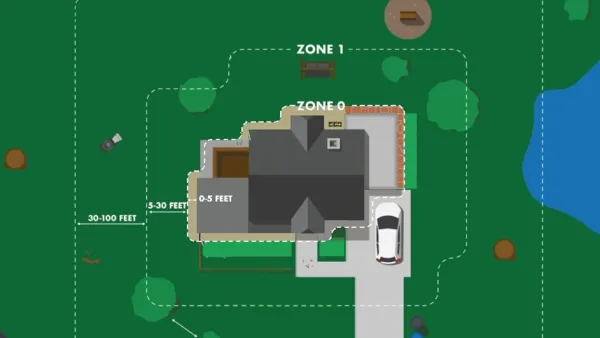
California implements strict new landscaping rules for residents in fire-prone areas
The new rules ban plants within one foot of homes and do not allow landowners to attach wooden fences to their homes.
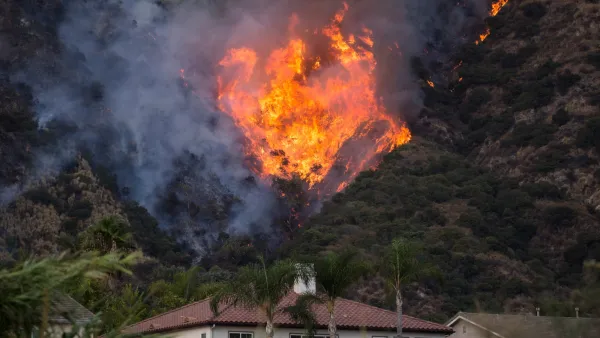
80% of California homes built between 2020-2022 are in high fire risk areas
In 2020, California wildfires destroyed nearly a fifth of homes they came in contact with.

Editorial: Legalize Single-Staircase Buildings in California
A state bill that would allow multifamily buildings to only include one staircase could help boost the housing supply and encourage more spacious and well-designed apartments.
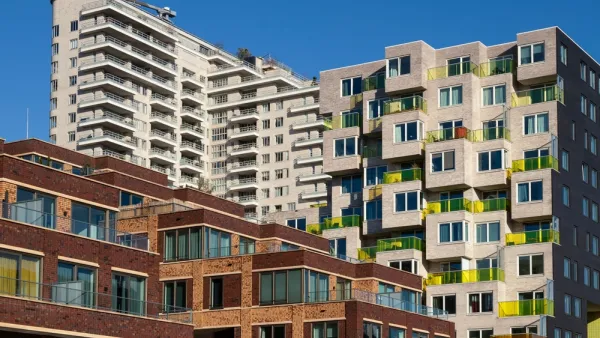
Single-Staircase Buildings: A Design Solution to a Political Problem?
One writer argues that single-staircase buildings solve an architectural problem and make buildings more interesting, but the political problem of the U.S. housing crisis goes much deeper.

Washington Could Legalize Single-Staircase Buildings
Supporters of ‘point access blocks,’ which are common in Europe and other parts of the world, say the design maximizes living space and lowers the cost of construction.

U.S. Fire Administration to Investigate Building Fires
New legislation gives the federal agency power to identify the causes of deadly fires and recommend improvements.
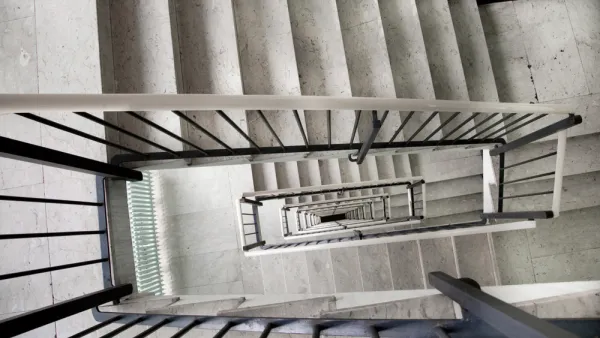
How a Staircase Requirement Can Impact Housing Affordability
Critics of the double-staircase mandate for multi-story buildings argue that it does little to improve fire safety while raising the costs of housing construction and limiting community interaction.
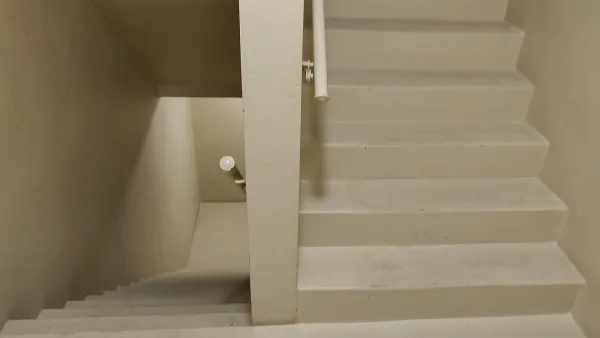
In Praise of Single-Staircase Construction
U.S. building codes mandate two staircases in multi-story buildings, but some argue this requirement reduces affordability and encourages wasteful, uninspired design.

California Town Looks to Rebuild After Wildfire, but No Clear Path Forward
Paradise, California, burned to the ground last year, and the town’s recovery has begun. But questions remain about the measures that should be put into place to prevent another disaster.
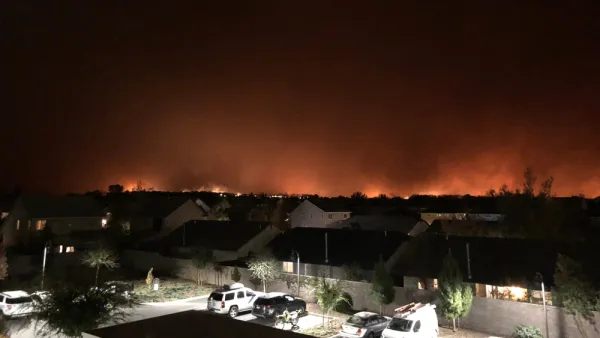
LA Times: Poor Planning Sealed Paradise's Fate
The planning history of Paradise, California is blamed for the destruction of the city in the Camp Fire. Can planners find new models for both limiting carbon emissions and preparing for the effects of climate change?
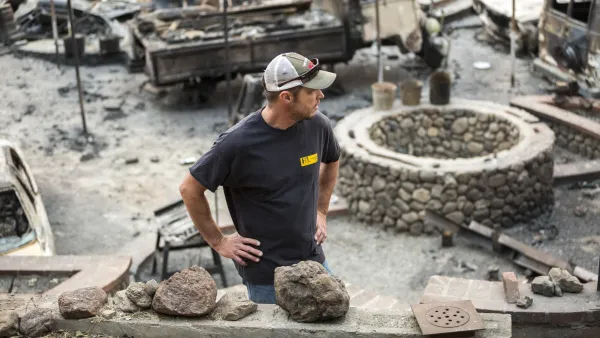
Designing Houses to Survive Wildfires
Houses that aren't vulnerable to embers blowing in the wind, could save the government and homeowners millions.
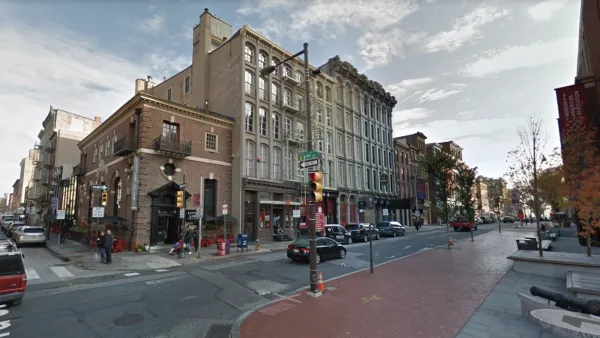
After Another Catastrophic Fire, Reexamining Fire Safety in Philadelphia
"Why does Old City keep burning?" That's the question posed by Philadelphia Inquirer architecture critic Inga Saffron.
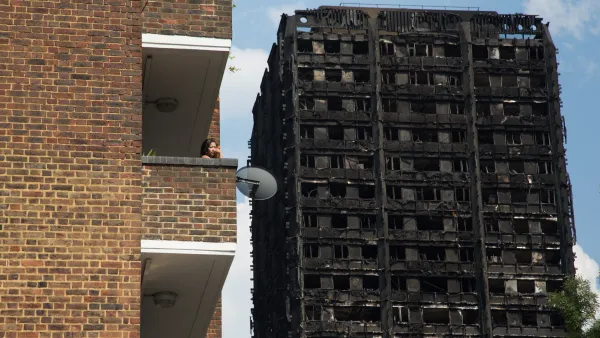
Unfortunate Lessons for City Planners From the Grenfell Tower Fire
The Grenfell Tower Fire in London took the lives of 71 people, and investigators are still searching for lessons from the tragedy. American planners shouldn't neglect these lessons, either.
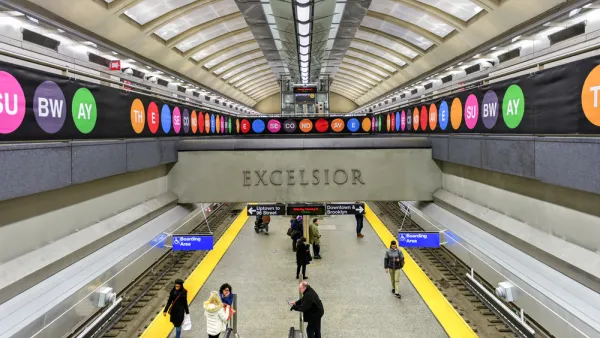
Report: MTA Shortcut Safety to Deliver the Second Ave Subway on Cuomo's Schedule
The New York Times has a potential damning report about shortcuts taken by the New York MTA, under the leadership of Governor Andrew Cuomo, to deliver the Second Avenue Subway on its scheduled opening date at the beginning of the year.
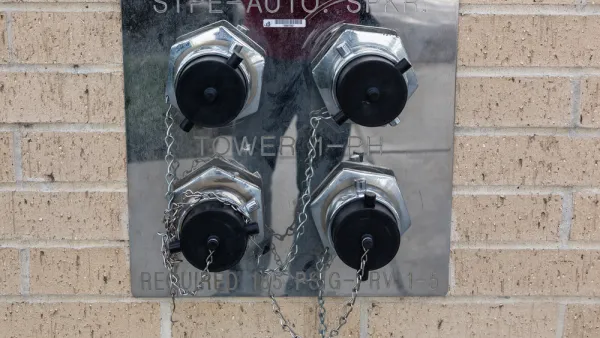
Audit Finds Houston's Life Safety Bureau Lacking
A city controller's audit finds lots of room for improvement at the Houston Fire Department's Life Safety Bureau.
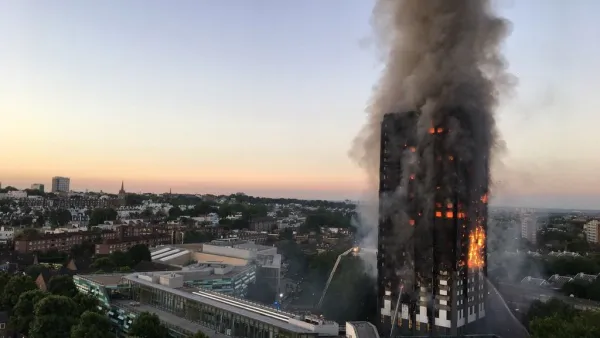
How Building Standards Failed London's Grenfell Tower
Fire safety experts are rushing to explain the horrific scene in London's Kensington neighborhood last night—after a fire destroyed a residential high rise. The building was recently retrofitted to meet efficiency standards.
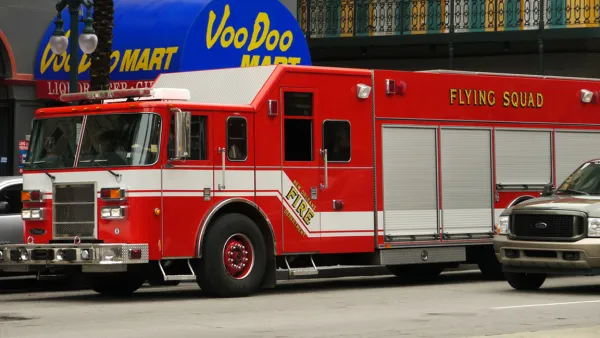
Why So Big? Rethinking Fire Truck Design
When they're not extinguishing actual flames, fire trucks can seem comically over-sized on city streets. Replacing portions of the fleet with smaller response vehicles might save money without sacrificing capability.
Flat Tops No Longer Required for Los Angeles Skyscrapers
Emily Alpert Reyes reports that Los Angeles has overturned a long-standing requirement for its skyscrapers to have flat roofs to accommodate the fire department's helicopters in the event of an emergency.
The 'Negligible' Building Safety Benefit of Helipads
In the second part of a series looking at codes in L.A. that require tall buildings to have flat roofs for helicopter landing, Curbed LA discusses a new building that has been exempted from the code and whether more are likely to follow.
The Fire Department Code That Flat-Tops L.A.'s Skyline
All buildings in Los Angeles taller than 75 feet are required to have a flat surface on the roof where helicopters can land, according to a fire department-mandated code. Now leaders are thinking about updating that code -- and the city's skyline.

FREE Course: Walkable City 1: Why Walkability?
After describing his path towards focusing on walkability as the essence of good planning, Jeff Speck marches through his five principal reasons for making more walkable places.
Reinventing Malls: Planning Alchemy—Turning Gray Fields Into Gold
The course focuses on the opportunities and imperatives that shape reinvention of mall sites.

Harvard University Graduate School of Design
KFH Group Inc.
Greater Baltimore Committee
The Architects Foundation
University of Cincinnati Online
The Pocatello Development Authority
The Urban Renewal Agency of the City of Pocatello