Equity
Ryan Gravel Speaks Out After Resigning from the Atlanta BeltLine Partnership
Streetsblog USA shares an interview with the visionary behind the Atlanta BeltLine, who discusses how the city's booming economy has conflicted with the mission of the project.
Leadership Shakeup at the Atlanta BeltLine
All is not well at the Atlanta BeltLine Partnership, after two prominent board members, including Ryan Gravel, who originally proposed the idea for the BeltLine, resigned this week.
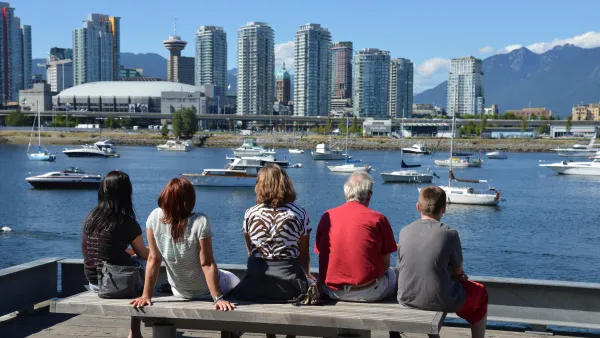
A Twitter Feed that Sings About Placemaking
"My twitter stream is alive with the sound of placemaking," writes Chuck Wolfe. While preparing for this week's Placemaking Week in Vancouver, he explains the importance of PPS-led programming and hopes for various panels, proceedings and events.
Inclusive Cities: Inclusion Equals Diversity Plus Equity
Hazel Borys sharing ideas from thought leaders on inclusion and indigeneity.

East Los Angeles Community Groups Prove that Community Planning Matters
The landscape of community development in Los Angeles today differs vastly from even a few years ago. Two groups in East L.A. are developing solutions to accelerating gentrification and displacement and a compounding affordable housing crisis.
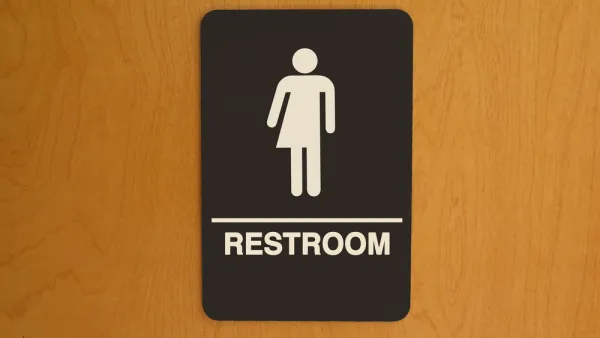
Arbitrating Fairness: Potty Parity
Planners are often involved in social equity analysis. How issues are defined and measured can affect what seems fair and just. Consider, for example, the fairness of toilet access.
A Summary of CNU24 Detroit
Miss the Congress for the New Urbanism in Detroit? Hazel Borys shares some highlights, with help from Twitter urbanists.
Toward Inclusive Redevelopment: When in Doubt, Bring People Together
It's hard to get urban redevelopment right. Headlines are dominated by rising costs, gentrification concerns, and not-in-my-backyard blockading. Let's talk about a way to work toward more inclusive redevelopment.

Toward an Equitable Bikeshare System
The Better Bike Share Conference convened in Philadelphia on June 22-24, 2016. Attendees gathered to find solutions for challenges of equity, social justice, and mobility in the country's emerging bikeshare infrastructure.
Equity, Engagement, Community: Empathy Ain't Enough
if a community planning effort is to be judged by the degree to which all voices are heard, then anything short of a big turnout is going to feel like failure. Ben Brown talks equitable engagement, and aligning promises with implementation.
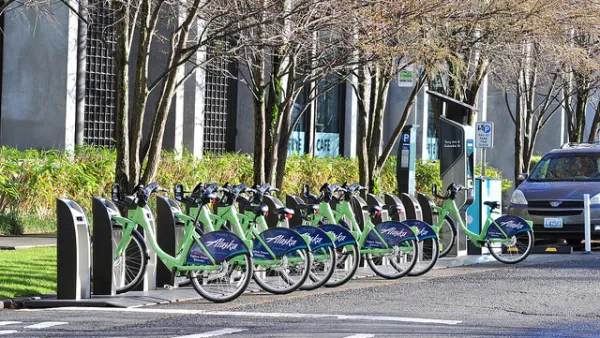
Asking the Right Questions About Equity In Bikeshare
The way we measure the success of bikeshare systems could be giving us the wrong idea about their impacts, and about the transportation needs of low-income areas.
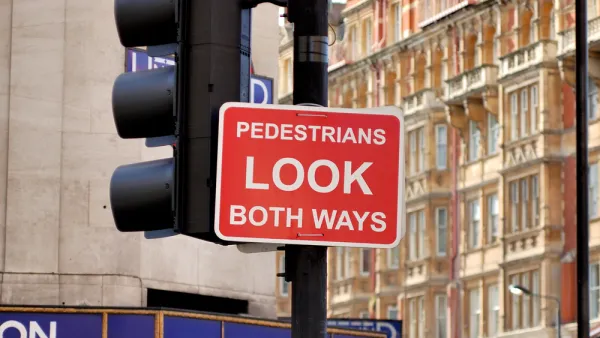
Transportation Planners and Reformers: Rethink Your Terms
Remember the term "transportation alternatives," as in alternatives to motor vehicle transportation? It's not used much anymore, and for good reason. But more modern terms, e.g. road diet, need to be rethought as well, posits Nate Holmes for Medium.
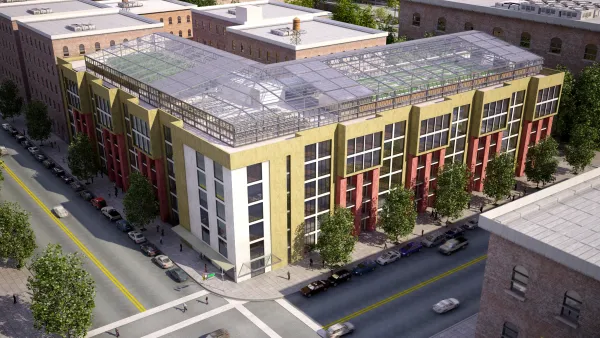
Explaining the Importance of Mandatory Inclusionary Zoning
A term you need to know.
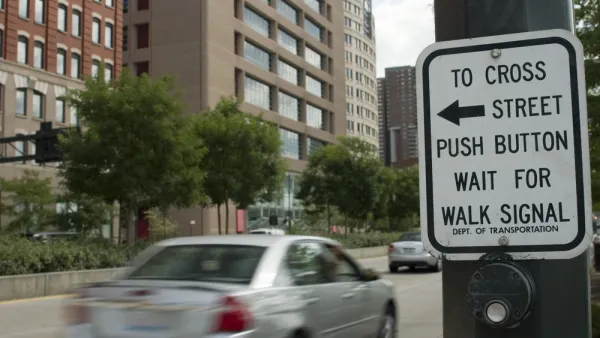
The Case Against Jaywalking Laws, Part 2
Laws designed to keep pedestrians off streets are not merely useless, but create a variety of social harms.

Pope Francis Taps Planners to Help Solve Climate Change
Pope Francis's unprecedented focus on climate change and the environment includes strong messages for planners and designers of the built environment.
Harvard Report: Fracking Yields Equity Gains for American Workforce
A new Harvard Business School report lays the economic and equity case for fracking—through direct and indirect job creation, America's middle class is reaping substantial wage gains and reduced energy costs. Renewables are also discussed.
Who Is the Smart City For?
In India, smart cities are being built with much fanfare and government support. However, critics rightfully worry that such models could end up excluding the very people who need its benefits the most.
Why Bikeshare Doesn't Appeal to Low-Income Commuters
While bikeshare garners a lot of attention from the white and wealthy, it is a less obvious choice for low-income communities. Difficulties include weather, time constraints, and overall demand for non-auto modes.

Building the Inclusive City
Income inequality, housing affordability, and residential segregation are big challenges that require more self-critical analysis and less civic self-promotion.
Highlights from CNU 23 Dallas
Having just wrapped up a great CNU in Dallas, April 29 through May 2, a collection of urbanists share some of the ideas that resonated the most.

FREE Course: Walkable City 1: Why Walkability?
After describing his path towards focusing on walkability as the essence of good planning, Jeff Speck marches through his five principal reasons for making more walkable places.
Reinventing Malls: Planning Alchemy—Turning Gray Fields Into Gold
The course focuses on the opportunities and imperatives that shape reinvention of mall sites.

City of Charlotte
City of Rosemead
Rutgers University, Edward J. Bloustein School of Planning and Public Policy
University of Michigan School for Environment and Sustainability (SEAS)
Hunter College, City University of New York (CUNY)
The Architects Foundation
University District Partnership









