Equity
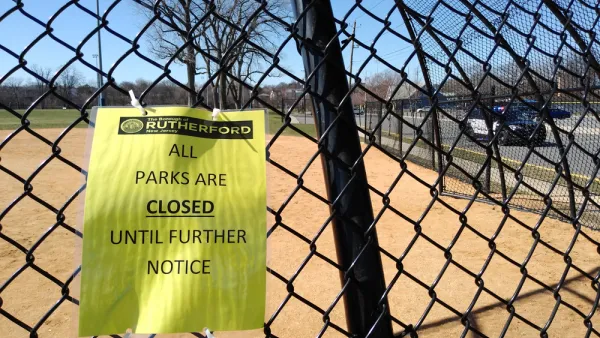
Has the Lack of Access to Parks Driven Up COVID-19 Infection Rates in Black and Latino Communities?
Experts indicate that it is too soon to conclude that the lack of access to parks has contributed to higher coronavirus infection rates in Black and Latino communities, but say there is likely a relationship between the two.
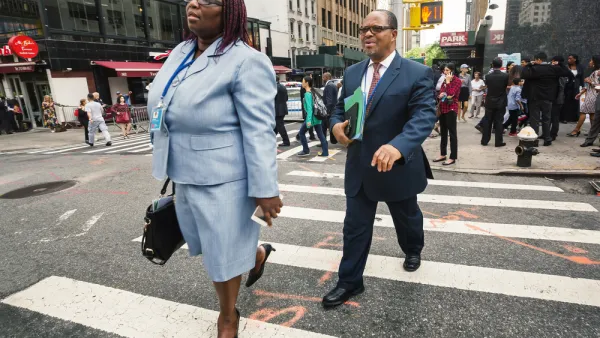
How to Produce Equitable Pedestrian Plans
The majority of pedestrian master plans consider how to make equitable walking infrastructure. Less than half of plans implement strategies to address the fact that people of color are disproportionately represented in pedestrian fatalities.

How to Adopt Long-Term Anti-Racism Solutions as an Urbanist
Nic Esposito calls for an "anti-racist reframe" of urbanism to address the attitudes and policies that have perpetuated racist systems and upheld capitalism at all costs.
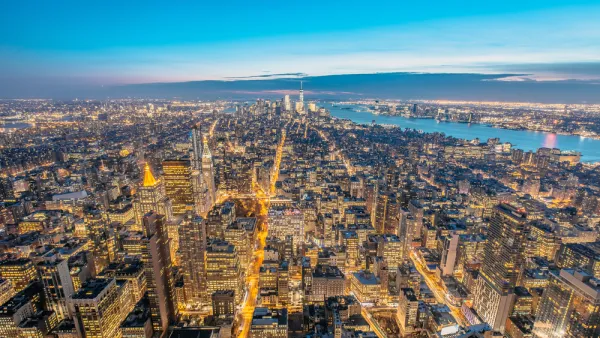
Design Collective Using Black-Centered Approaches to Transform Cities
BlackSpace seeks to empower Black practitioners and change the way planning and design happens in and affects Black communities.
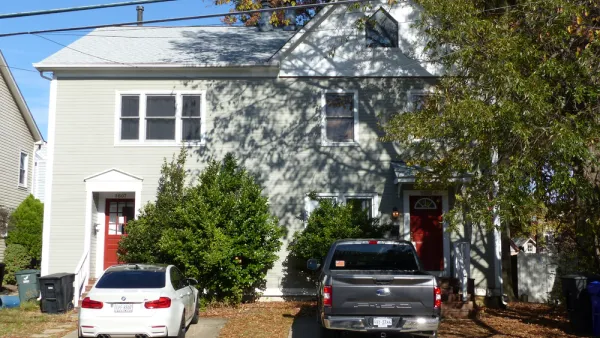
Missing Middle Housing Study Launches in Arlington County, Virginia
Missing Middle Housing, the kinds of additional density that can be added with limited construction on a footprint the size of traditional single-family homes, is gaining momentum in the D.C. region.
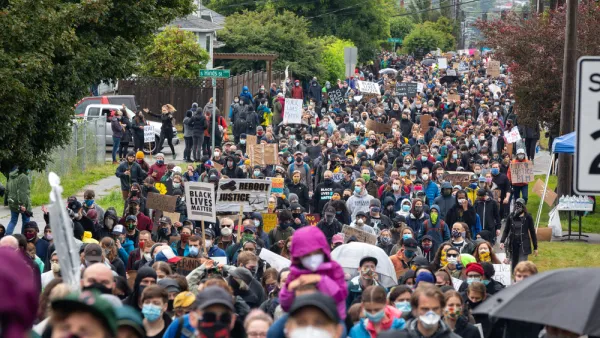
The Trouble With Equity
Equity is a fine value—but on contentious land use issues, equity can be used to support either side of the argument.
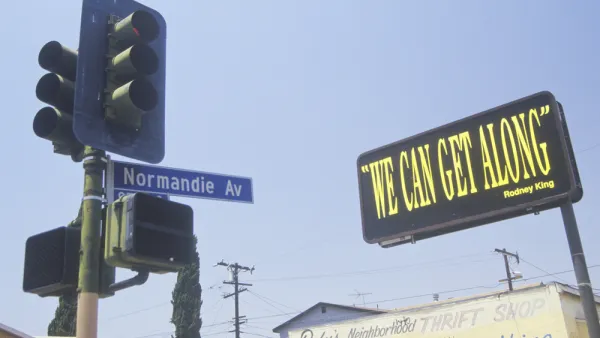
It's High Time for a Community-Led Economic Recovery
Past recoveries have only exacerbated structural inequalities. The recovery from the current economic and social crises can't afford to make the mistakes, according to a recent paper from researchers at the Brookings Institution.
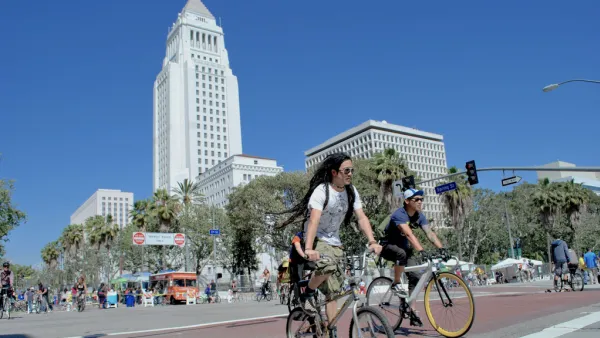
Los Angeles City Planning Hires First Chief Equity Officer
Faisal Roble, the newly appointed chief equity officer of the Los Angeles Department of City Planning, will be tasked with crafting a Racial Equity Action Plan for the department.
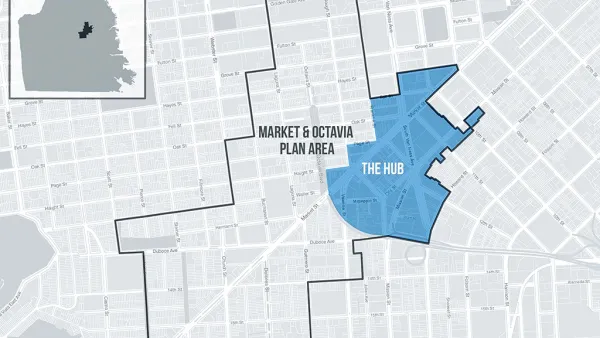
S.F. Rezoning Plan Paused for Equity Analysis
A plan to rezone parcels around the busy intersection of Market Street and Van Ness Avenue in San Francisco, called the Hub, will undergo an analysis of the potential impacts of the plan on marginalized communities.
New Layer of Equity Analysis Considered for Regional Planning in Northeast Ohio
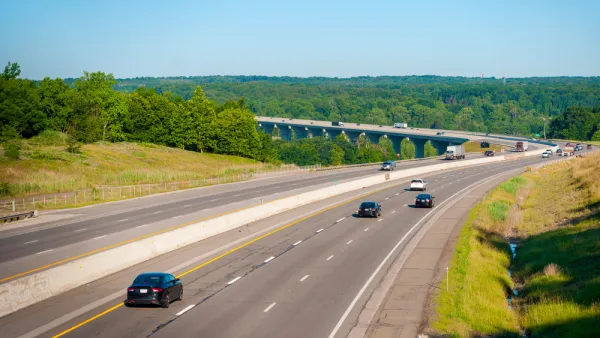
The Northeast Ohio Areawide Coordinating Agency (NOACA) is considering a new policy that will add considerations about regional economic inequities when evaluating potential highway projects.
Pandemic Planning Must Reconcile With the Inequities of the Past
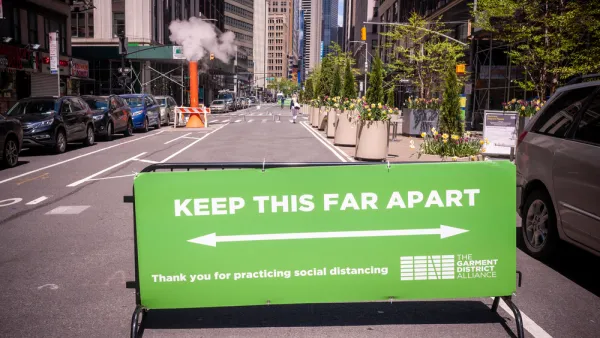
The ongoing debate about the role of marginalized communities in the emergency planning programs of the pandemic has now been detailed on the pages of the New York Times.
Tactical Urbanism Gurus Rethink Equity
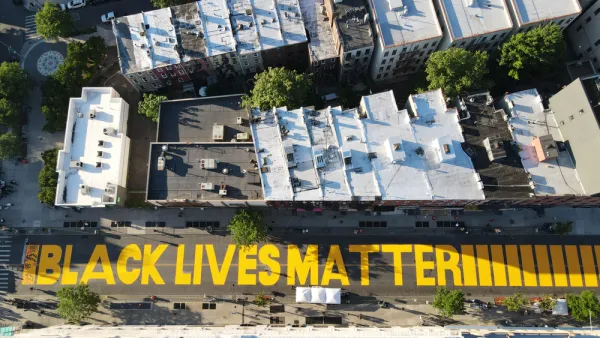
Mike Lydon and Tony Garcia wrote the book on Tactical Urbanism, and as leading consultants of the practice in cities around the country, they have faced criticism in recent weeks and months for a lack of attention to matters of equity.
Advocates: Equity Lacking in the New Houston Climate Action Plan
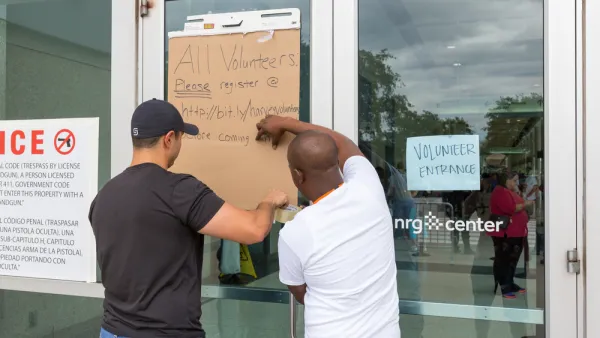
Advocates and local residents are expressing concern about a lack of direct support in the Houston Climate Action Plan for underserved neighborhoods that have already experienced some of the worst effects of climate change.
Report Assesses Equity Outcomes for the Opportunity Zone Program
Critics have raised doubts and concerns about the potential misuse of the federal Opportunity Zone program since it was approved in 2017, but a new report finds some evidence that the program is working toward its promoted intention.
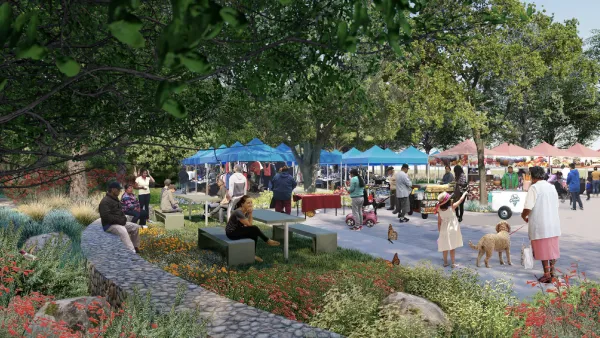
Community Park Addresses Open Space, Air Quality Disparities in L.A.
Lou Calanche and Esther Feldman discuss the Natural Park at Ramona Gardens, a green solution project to improve air quality and community health in one of the most polluted neighborhoods in Los Angeles.
Debating the Future of Cities After the Coronavirus, Volume 3
The third installment of an ongoing, curated list of a particularly contemporary genre of urbanism punditry.
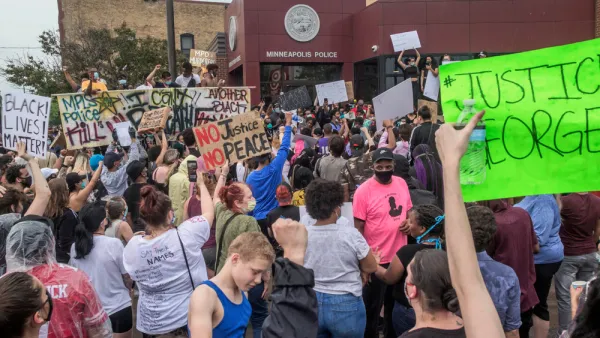
Violence Against Black Americans a Moment of Reckoning for the Planning Profession
After a wave violence against Black men in the United States, it is the duty of the planning profession to consider its role in perpetuating institutional racism.
New York's Open Streets Program Leaves Out Neighborhoods That Need Open Space Most
New York City has opened an increasing number of street miles for pedestrians and people on bikes, but far fewer streets have been opened in the neighborhoods that need it most—low income neighborhoods lacking walkable access to parks and open space.
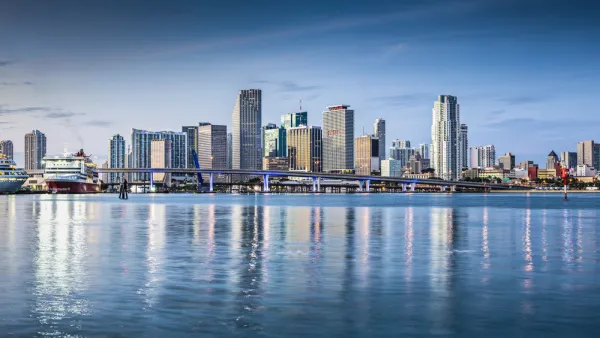
Centering Equity in Climate Adaptation
Avoiding the effects of climate change should not be a privilege for the wealthy.
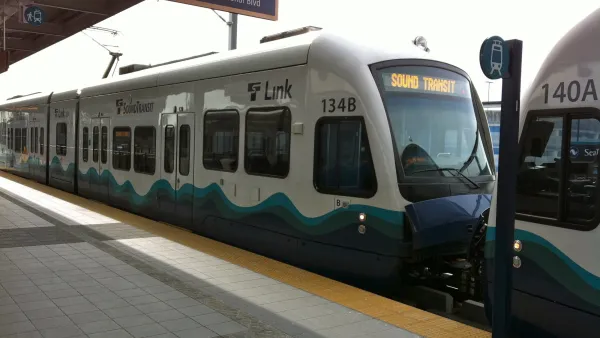
Op-Ed: The Importance of Equity in Transportation Planning
Transportation planners must address equity issues in their work and involve the people most affected by the planning and policymaking process.

FREE Course: Walkable City 1: Why Walkability?
After describing his path towards focusing on walkability as the essence of good planning, Jeff Speck marches through his five principal reasons for making more walkable places.
Reinventing Malls: Planning Alchemy—Turning Gray Fields Into Gold
The course focuses on the opportunities and imperatives that shape reinvention of mall sites.

City of Charlotte
City of Rosemead
Rutgers University, Edward J. Bloustein School of Planning and Public Policy
University of Michigan School for Environment and Sustainability (SEAS)
Hunter College, City University of New York (CUNY)
The Architects Foundation
University District Partnership









