The promise of the California Coastal Act—to maintain public access to the Pacific Coast—is challenged by the extreme costs of coastal property. A new plan aims to put vacations and overnight stays on the coast in reach for more Californians.


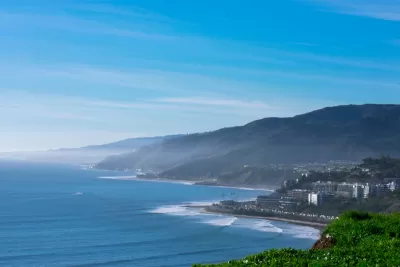
Jill Replogle reports on the "Explore the Coast Overnight" plan, released recently in its first draft assessment by the California State Coastal Conservancy. The plan is designed to make it more affordable for Californians to access the coast for overnight stays.
The draft assessment analyses "the state of lower-cost lodging along the coast, and [plots] out a path for expanding it and breaking down the barriers that keep lower-income households and communities of color from using it.
As noted by Replogle, this approach to upholding the promises of the California Coastal Act differs from the familiar stories about litigation and discretionary hearings about maintaining coastal access with hiking trails, parking, and open gates. Questions of affordability are much less frequently made public, and with unfortunate consequences. A "survey commissioned by the Coastal Conservancy found that young people, people of color, lower-income households and families with children are less likely to stay overnight at the beach," according to Replogle.
The article includes a lot of information about how to access the beach on a budget right now, thanks to the information gathered in the new draft assessment.
Read the full story: You, Cash-Strapped Californian, Are Entitled To A Beach Vacation. Here's How That Could Happen

The Right to Mobility
As we consider how to decarbonize transportation, preserving mobility, especially for lower- and middle-income people, must be a priority.

Opinion: To Increase Equity, Make Buses Free
With buses as a dominant transport mode for low-income households and "essential workers," free fares would increase access to economic opportunities and free up limited income for cash-strapped commuters.
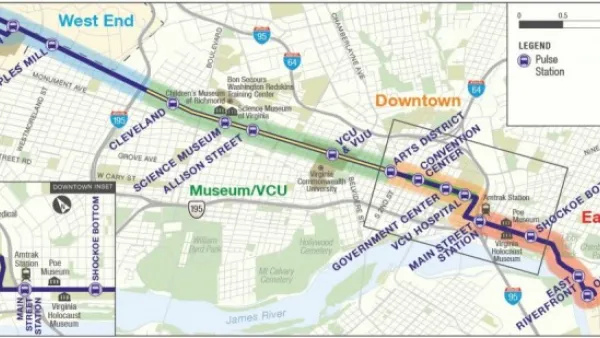
Richmond Bus Redesign Faces Equity Complaints
Residents charge the Greater Richmond Transit Company (GRTC) with making service worse for low income residents.

Planetizen Federal Action Tracker
A weekly monitor of how Trump’s orders and actions are impacting planners and planning in America.

California plans to bury El Niño’s downpour
If the state plays its cards right, it may be able to store a billion acre-feet of El Niño’s water in aquifers.

Desperate measures: Advocates weigh draining Lake Powell to fill Colorado River
Draining the reservoir could reduce evaporation losses by a couple hundred thousand acre-feet.

Chicago voters approve permanent festival grounds, penalty for vacant property owners
Currently, major summer and fall festivals take over public parks for weeks at a time, drawing criticism from nearby residents

NYC votes to cut outdoor dining red tape, speed up permitting
New York City also voted to allow the Department of Transportation to begin work on urgent projects before notifying elected officials.

California appears to reject Prop. 45
The proposition would have expanded the projects that qualify for a streamlined environmental review, effectively paring down the California Environmental Quality Act.

FREE Course: Walkable City 1: Why Walkability?
After describing his path towards focusing on walkability as the essence of good planning, Jeff Speck marches through his five principal reasons for making more walkable places.
Reinventing Malls: Planning Alchemy—Turning Gray Fields Into Gold
The course focuses on the opportunities and imperatives that shape reinvention of mall sites.

City of Rosemead
Rutgers University, Edward J. Bloustein School of Planning and Public Policy
One Hundred Miles
Hunter College, City University of New York (CUNY)
The Architects Foundation
University of Cincinnati Online
City of Cambridge
Montrose County
The Pocatello Development Authority