Efficiency

Getting started with AI, part 2: What some planners are actually saying
Five practicing planners offer their advice for diving — cautiously — into using AI in their day-to-day work.
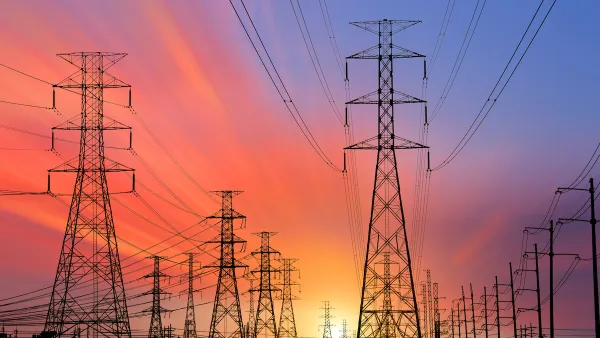
Utilities Spending Less on Energy Efficiency Despite Higher Fuel Prices
A survey of major utilities reveals a link between states with strict efficiency standards and incentive programs and efforts to improve efficiency on the part of utilities.

What Is the City of Tomorrow?
The City of Tomorrow is the English name given to an early work of urban design by Le Corbusier, who, throughout his career, evolved a concept of city planning firmly based in rationality and order.
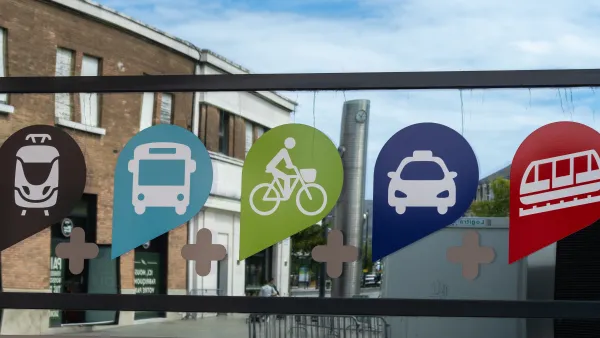
Fair Share Transportation Planning
Don’t tell me what you claim to value; your budget indicates what you truly value. If we value fairness and efficiency, we must reform infrastructure spending to support inclusive, affordable, healthy, and resource-efficient modes.

Building Safety, Climate Change, and Equity
A Portland coalition is drawing attention to the disproportionate impacts of unsafe and inefficient housing on low-income households and pushing for legislation that would mandate building improvements and tenant protections.

Industry Wins a Round Over Building Efficiency Requirements
New regulations prohibit cities from enacting stricter efficiency standards in new buildings.
Improved Electrical Grids Cut Greenhouse Gas Emissions
Preventing electricity losses makes power generation more efficient. Those efficiencies translate into lower emissions.
California Energy Efficiency Program Could Be Much More Effective for Low-Income Residents
According to an analysis by the Energy Efficiency for All coalition, California's Energy Savings Assistance Program could be four times as effective for low-income renters if it were better deployed.
More Evidence of the Economic Upsides to Traffic
Because it forces infill and efficient transit, among other things, traffic is actually good per capita GDP and jobs.
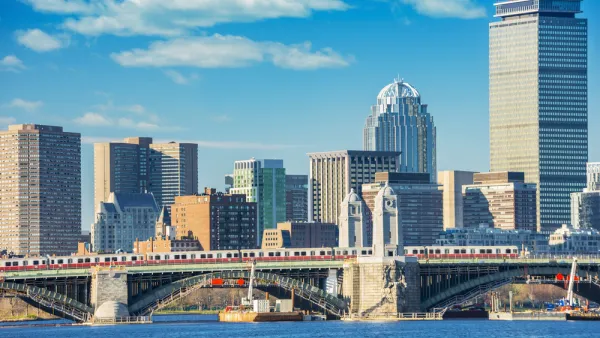
Even the Most Energy Efficient Cities Have Room for Improvement
The American Council for an Energy Efficient Economy has released its third biannual City Energy Efficiency Scorecard.

U.S. Cities Ranked By Energy Efficiency
According to an ACEEE report, Boston currently leads the way, with New York, Washington, DC, and San Francisco not far behind. Los Angeles, Washington, and Chicago show the most improvement since 2013.

Op-Ed: Transportation Assets Should Generate Revenue
Scott Rawlins argues that public-private partnerships could help transportation departments turn assets into income streams. Underutilized land and data are two areas of interest.
Can L.A.'s New Mayor Drag the City's Operations Into the Digital Era?
With a goal of improving the quality of life for the city's residents, Los Angeles Mayor Eric Garcetti is embarking on a titanic task: using technology, transparency, and accountability to transform the city's "lumbering" bureaucracy.
Cities Gain a Brain; But Will They Lose Their Souls?
In the quest to improve efficiency and effectiveness, "smart" technologies are helping cities become more intelligent machines. But a growing chorus fears the side effects of increased privatization, surveillance, and technological sophistication.
As the Global Population Explodes, Experts Ask Where They'll Live
A conference held in London last Tuesday, called "Planet Under Pressure," provided a forum to begin to answer the question, reports Roxanne Palmer.
Untangling Our Emotions From Transit Planning
Eric Jaffe interviews Jarrett Walker, the author of a new, nonpartisan treatise on thinking rationally about transit.
Which Cities Have the Brightest Futures?
Zipcar has released the results of their first Future Metropolis Index, which the company commissioned to recognize cities that demonstrate smart urban planning and policymaking, reports Ariel Schwartz.
Density, Resources and Greatness
Density reduces costs and helps make places more sustainable, according to this post in a series on "great places".
Waiting for a miracle
I was reading Wendell Cox's recent attack on the Center for Neighborhood Technology's affordability calculations, and was struck by one thing he wrote:“transportation costs will be reduced in the future by the far more fuel efficient vehicles being required by Washington.”* In other words, don't worry about Americans being impoverished by the cost of a car for every man, woman, and 16-year old in the House: the technological miracle of fuel efficiency will save us.
Are Passenger-Miles a Valid Measure of Anything?
Every so often, one sees an article arguing that one mode of transportation is cheaper, more efficient, or less dangerous than another because it uses less energy/kills more people/costs more per passenger-mile. (1) It seems to me, however, that per passenger-mile comparisions are flawed in one key respect: they assume that trips on any mode of transportation will involve the same mileage, so that if the average driver lives 20 miles from work, the average bus rider will also live 20 miles from work.

FREE Course: Walkable City 1: Why Walkability?
After describing his path towards focusing on walkability as the essence of good planning, Jeff Speck marches through his five principal reasons for making more walkable places.
Reinventing Malls: Planning Alchemy—Turning Gray Fields Into Gold
The course focuses on the opportunities and imperatives that shape reinvention of mall sites.

City of Wisconsin Rapids
Harvard University Graduate School of Design
KFH Group Inc.
The Architects Foundation
University of Cincinnati Online
The Pocatello Development Authority
The Urban Renewal Agency of the City of Pocatello