A survey of major utilities reveals a link between states with strict efficiency standards and incentive programs and efforts to improve efficiency on the part of utilities.


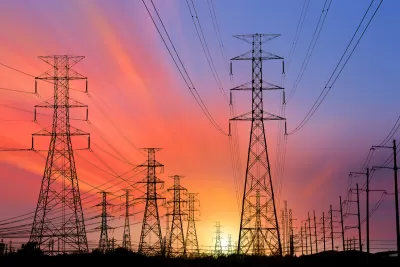
As extreme weather events strain electric grids, “a new survey of energy-efficiency programs at the nation’s 53 largest utilities finds that their energy savings dropped more than 5 percent between 2018 and 2021,” reports Carl Smith in Governing.
As the article points out, “Of all the strategies for reducing CO2 emissions, energy efficiency would seem to be the easiest for all stakeholders to embrace. It means wasting less of a vital resource that has limits and is costly to produce.” Yet many utilities in states without strict energy efficiency standards are failing to invest in efficiency programs, according to the survey conducted by the American Council for an Energy-Efficient Economy (ACEEE). “Most of the utilities that scored well ‘are in states that have enacted robust energy savings targets and provide strong regulatory support for achieving those targets,’ ACEEE says.”
One solution, Smith points out, is using performance-based regulation (PBR), which incentivizes utilities to reach efficiency goals. Additionally, building “a culture of efficiency” among customers can help utilities manage limited resources during peak demand to avoid blackouts and power outages. “For utilities whose regulatory framework doesn’t incentivize adding new production capacity, efficiency can increase the potential to accommodate new customers.”
FULL STORY: Utility Efficiency Goes Down as Temperature and Fossil Fuel Prices Go Up


US May Have 100 Times More Blackouts by 2030
Rising demand driven by AI data centers and uncertain energy sources could lead to a surge in power outages by the end of the decade.
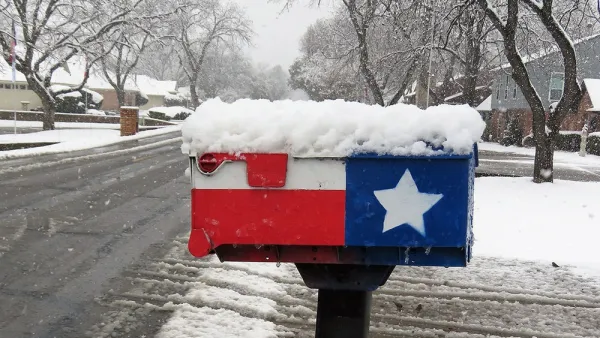
California-Style Rolling Blackouts Come to Texas
As bad as the power outages are in Texas, they would be much worse if the independent energy grid operator hadn't initiated rolling blackouts. In an extensive interview with CBS Austin, Bill Magness, the head of ERCOT, explains what went wrong.
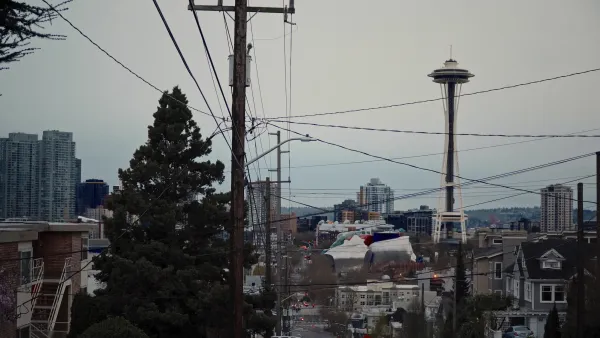
Seattle Density Increase Stymied by Underground Power Line Requirement
A new policy that requires buildings with four or more units to bury their electrical lines is making housing development more costly and causing months-long delays.

Planetizen Federal Action Tracker
A weekly monitor of how Trump’s orders and actions are impacting planners and planning in America.

The state-sanctioned urbicide of Austin
People don’t kill cities. Freeways do.

US to reduce Colorado River water deliveries to Mexico
A new Colorado Treaty amendment reduces Mexico’s Colorado River water allocation by 250,000 acre feet.

Guerilla urbanists are building DIY bus stop benches in Chicago
A before-and-after of one of the bus stops with a new bench. The new benches are not officially sanctioned or permitted, but the residents who placed them hope they will be the start of a network of DIY benches across the city.

Mamdani overhauls NYC's Vision Zero plan with 100 new policy goals
The overhaul aims to reduce traffic deaths and make streets safer for pedestrians, cyclists and drivers through lower speed limits, new safety infrastructure and more.

Amtrak not solely to blame for New Jersey commuter rail's unreliability, report finds
A new study from the Garden State Initiative found that NJ Transit’s budget grew 20% across a 4 year period, but reliability declined significantly over the same period.

FREE Course: Walkable City 1: Why Walkability?
After describing his path towards focusing on walkability as the essence of good planning, Jeff Speck marches through his five principal reasons for making more walkable places.
Reinventing Malls: Planning Alchemy—Turning Gray Fields Into Gold
The course focuses on the opportunities and imperatives that shape reinvention of mall sites.

Eagle County Government
Harvard University Graduate School of Design
Nashville Planning Department
The Architects Foundation
University of Cincinnati Online
The Pocatello Development Authority
The Urban Renewal Agency of the City of Pocatello
Journal of the American Planning Association