Congestion
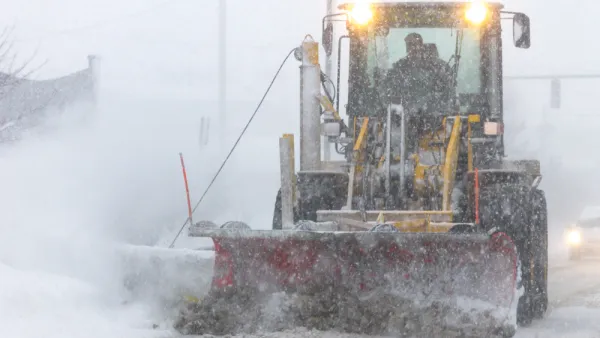
Study Ranks the 'Traffic Resilience' of Urban Road Systems
The inefficiencies of daily commutes set aside, the road systems of some cities are not prepared to deal with unexpected events that disrupt the transportation system.
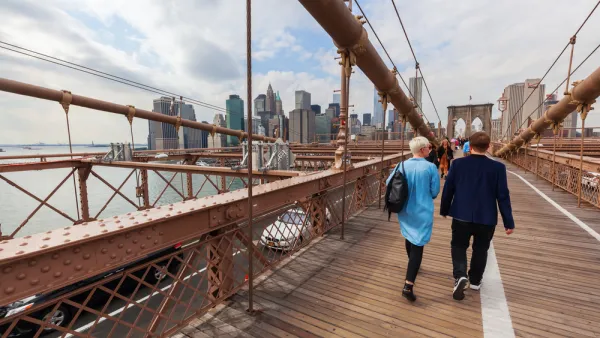
Modal Friction on the Brooklyn Bridge
The popularity of crossing New York City's second oldest bridge by foot and pedal is causing friction between the two modes on the promenade above six lanes of motor vehicle traffic. A report released for NYCDOT proposes recommendations.
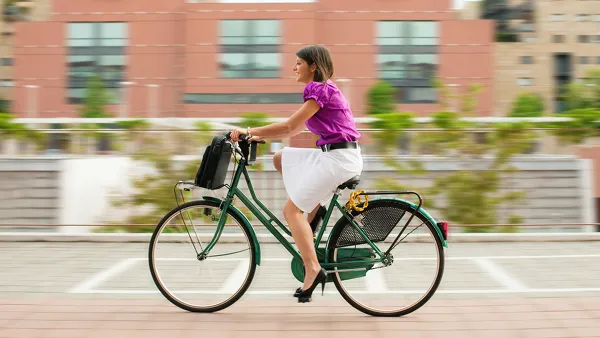
Can a Bike Commute Cause More Harm Than Good?
Researchers at Columbia University are investigating pollution intake among cyclists to determine if cycling really is a healthy way to commute.
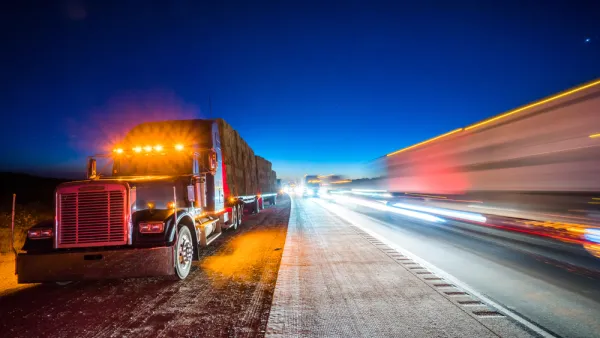
Tesla's 'Badass' Electric Semi Beats Diesel and Rail, Says Elon Musk
Tesla introduces a high-performance, totally electric, semi-autonomous truck that that can haul 80,000 of freight for 500 miles without recharging.
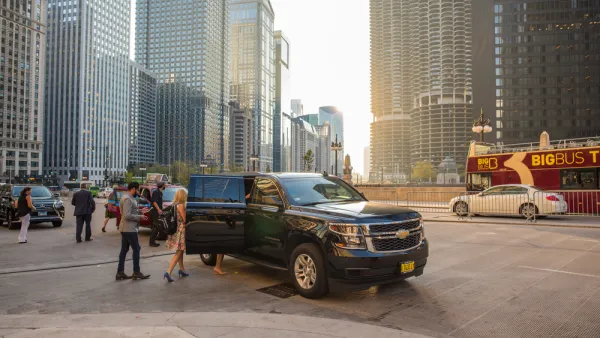
New Research on How Ride-Hailing Impacts Travel Behavior
Useable data of the effects of ride-hailing service on travel behavior is sorely lacking, but a new study sheds light on critical questions about what companies like Uber and Lyft mean for transit, active transportation, and congestion.
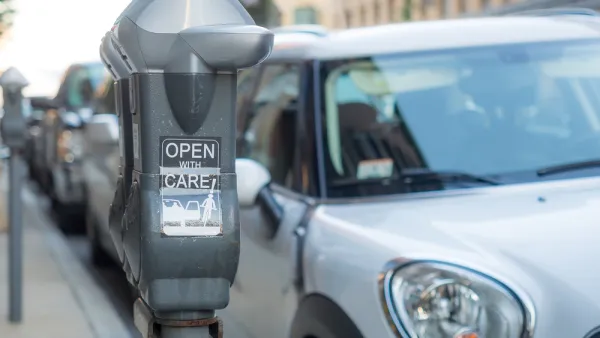
Boston Mayor Wants to End Dynamic Pricing for Parking
Boston residents didn't like being charged more for parking at peak hours in the Seaport and the Back Bay, and Mayor Martin J. Walsh has heard their complaints.
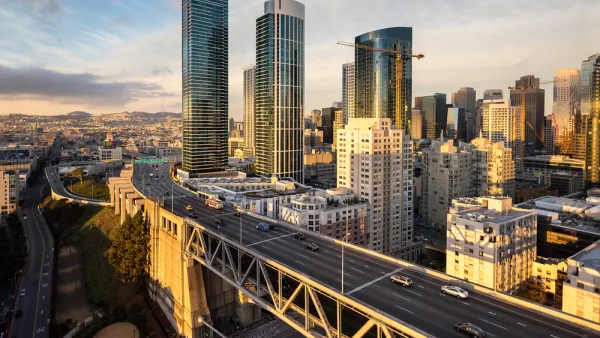
Connecting the Dots Between Air Pollution and Congestion
Some of the San Francisco neighborhoods with the worst air quality are also the San Francisco neighborhoods with the most development.
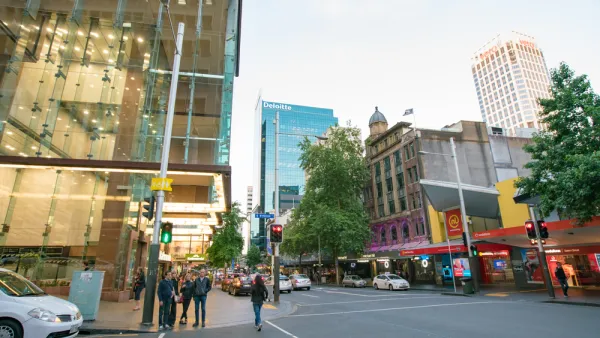
'Pedestrian Congestion' Hurts the Economy Too
There's an economic cost for making pedestrians wait at stoplights, according to a new study.
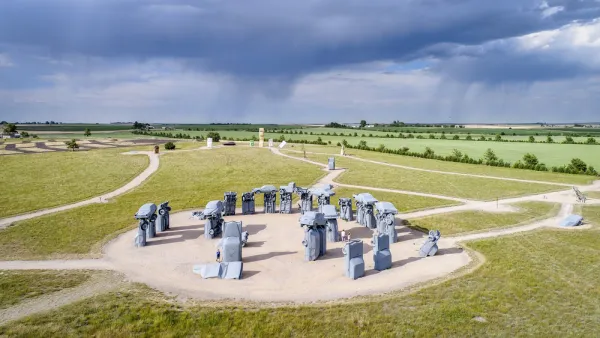
Google Maps Traffic Alerts Follow Eclipse Totality Path, Carhenge Gets the Last Laugh
Parting shots from the Great American Eclipse.

How People Will See the Eclipse Today
A 33-year GIS professional lets loose his geospatial and population analysis skills on the occasion of a lifetime: today's "Great American Eclipse."
100-Year-Old Law Explains Why There Are So Many Trucks on the Highway
A powerful lobby is more in interested in protecting its monopoly than lessening congestion and pollution.
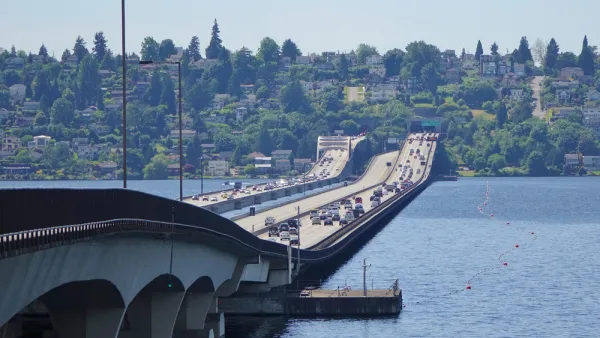
New Levels of Car Dependence Follow Seattle's Growth
By any measure, Seattle is growing at a breakneck pace. But with those new residents come cars, and all the infrastructure and land use inefficiencies they bring.
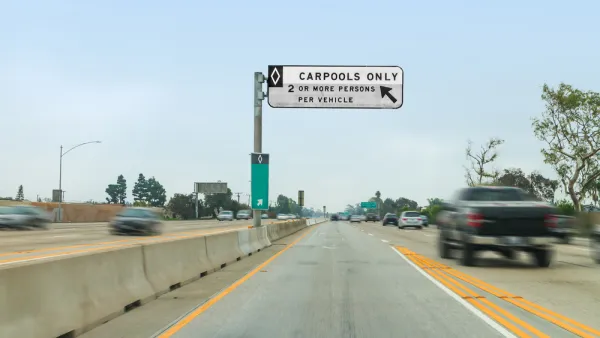
Before and After Carpool Lanes
The Guardian shares news of a new study of a Jakarta lane that could prove that carpool requirements work to reduce driving and congestion.
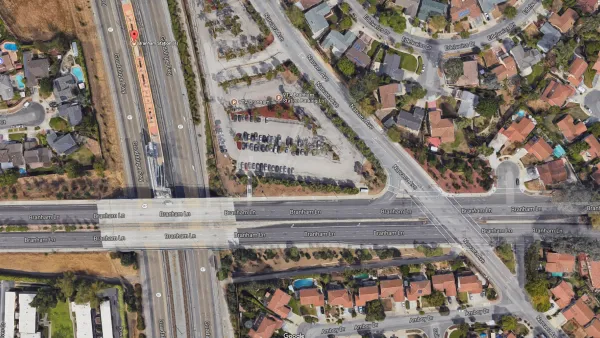
Traffic Concerns Sink Light-Rail-Adjacent Development in San Jose
The city of San Jose has a mixed record of moving forward with land use changes that complement its existing and expanding transit systems.
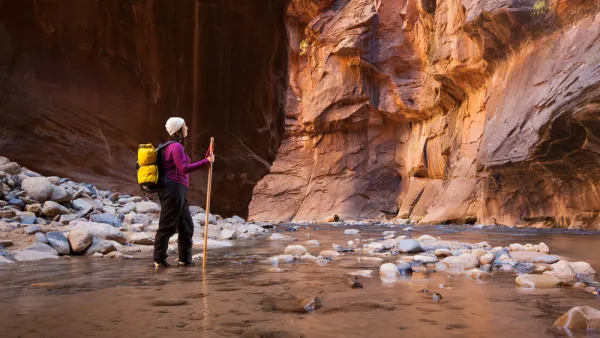
Reservation System Possible for Zion National Park
The National Park Service is looking for solutions to overcrowding at its most popular parks. The idea of an online reservation system might get its first test in Utah.
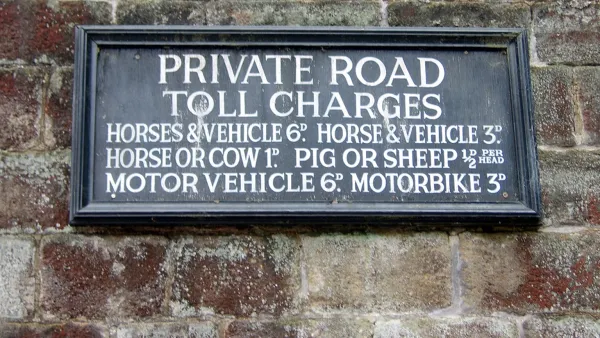
Defending Road Pricing from Public Opinion
Access Magazine takes a deep dive into congestion management, explaining the reasoning behind a publicly unpopular strategy: road pricing.
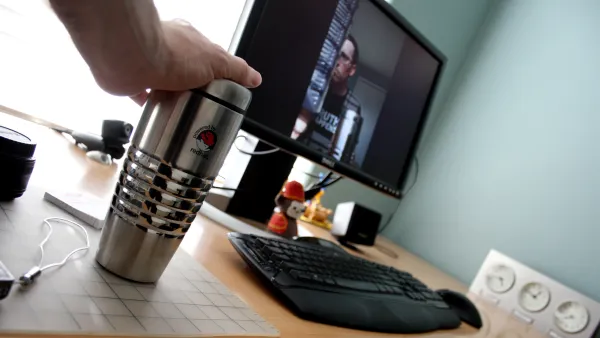
Telecommuting Skews Affluent
Here's a reason to doubt telecommuting as a silver bullet for congestion in growing regions: most people don't have the option.
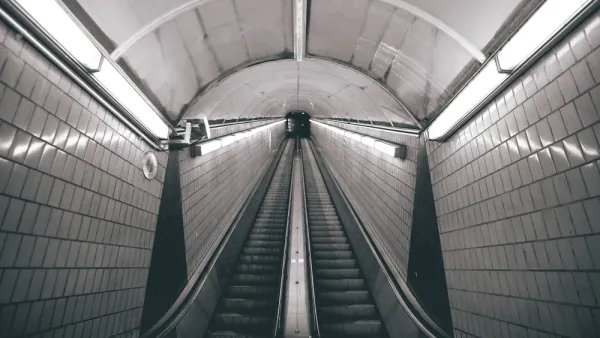
MARTA Ridership Like the I-85 Collapse Never Happened
The I-85 bridge collapse forced many people living and working in and around Atlanta to make new transportation choices. Now, just months later, the region is back to business as usual.
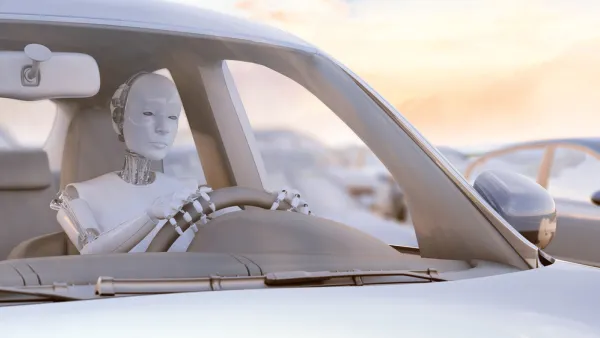
Beware the Utopian Visions of Transportation Technology Boosters
At the dawn of automated vehicle technology, humans, and Americans in particular, should recall the shortcomings of past utopian visions.
Subsidized Carpool Rides: There's an App for That
Contra Costa County, California, located in the East Bay Area, is looking for new incentives to get commuters to carpool through the congestion region. If only there were an app for that.

FREE Course: Walkable City 1: Why Walkability?
After describing his path towards focusing on walkability as the essence of good planning, Jeff Speck marches through his five principal reasons for making more walkable places.
Reinventing Malls: Planning Alchemy—Turning Gray Fields Into Gold
The course focuses on the opportunities and imperatives that shape reinvention of mall sites.

City of Rosemead
Rutgers University, Edward J. Bloustein School of Planning and Public Policy
One Hundred Miles
University of Michigan School for Environment and Sustainability (SEAS)
Hunter College, City University of New York (CUNY)
The Architects Foundation
City of Cambridge
The Pocatello Development Authority
The Urban Renewal Agency of the City of Pocatello









