Car-Centric Planning

How the Law Enshrines Car Dependence
Land use regulations provide exhibit A in this indictment of the American legal system's support for a murderous and destructive dependence on automobiles for transportation.

Op-Ed Supports Congestion Pricing for San Francisco
An opinion piece by Josh Wilson makes a case for a congestion pricing plan tailored specifically for the realities of living and working in San Francisco.
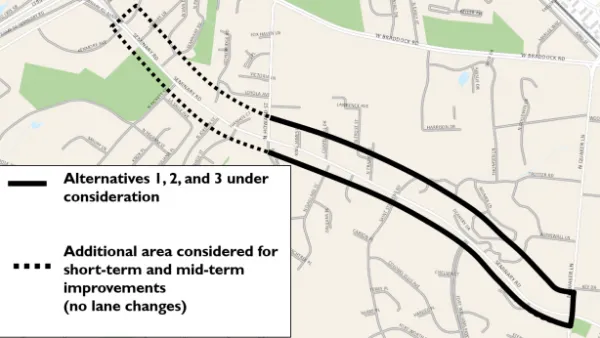
When it Comes to Road Diets, Evidence Doesn't Matter
Drivers are a powerful enough lobby to overcome all evidence of the need to redesign streets for safety. Examples from Maryland and Virginia provide the latest case studies in Vision Zero futility.
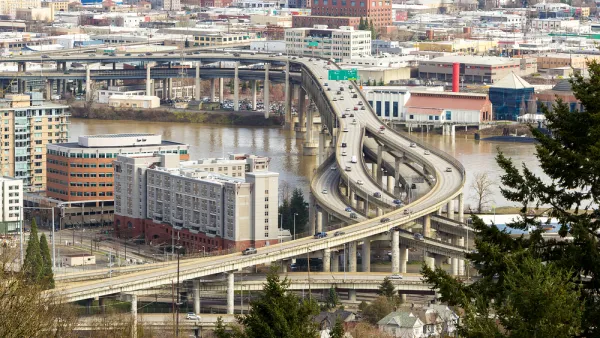
The Biggest Highway Boondoggles in the United States
Frontier Group and U.S. PIRG have released the fifth edition of its Highway Boondoggles report.
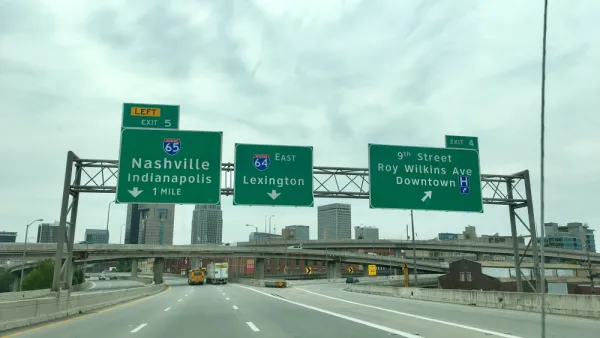
Debating Freeway Expansion Projects Around Louisville
Several large freeway expansion projects are in various stages of planning and development in the Louisville region of Kentucky. Critics say the projects reflect an obsolete approach to planning and will hurt the state and the city.
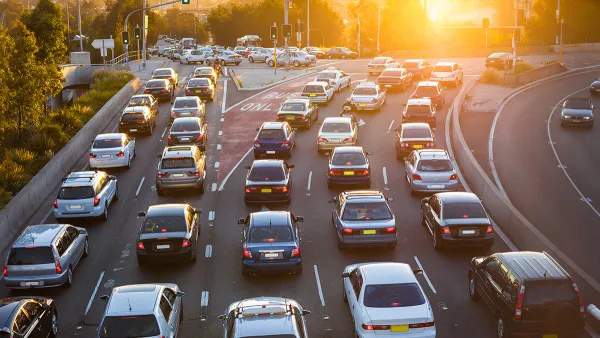
Breaking the Cycle of Automobile Dependency
Many current planning practices reinforce a cycle of increased automobile use, more automobile-oriented community redevelopment, and reduced mobility options. There are good reasons to break this pattern.
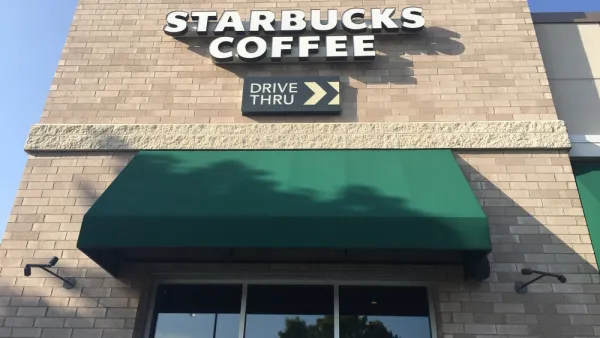
Citywide Ban on New Drive-Thrus Moves Forward in Minneapolis
The city of Minneapolis doesn't want any more drive-throughs in the city, in an effort to cut down on emissions, car trips, and conflict points in the public realm.
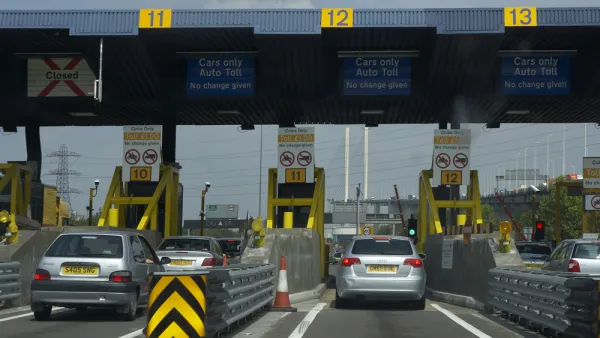
Lessons in Congestion Pricing
New York City might need some courage to go through with its idea sto charge drivers to enter parts of Manhattan. Luckily there are International models of success to choose from.
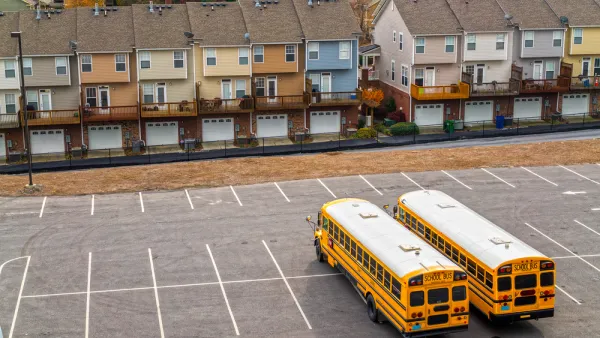
Study Documents the Public Health Effects of Long School Commutes
Richard Florida cites new research to argue that car culture and car oriented communities are the main culprits in the unhealthy lifestyles of U.S. school children.

Unequal Distribution of Shade Is Environmental Injustice
A longread, written by Sam Boch and published by Places Journal, has been creating a stir online and is highly recommended for those with an interest in intersections between social justice and urban design.
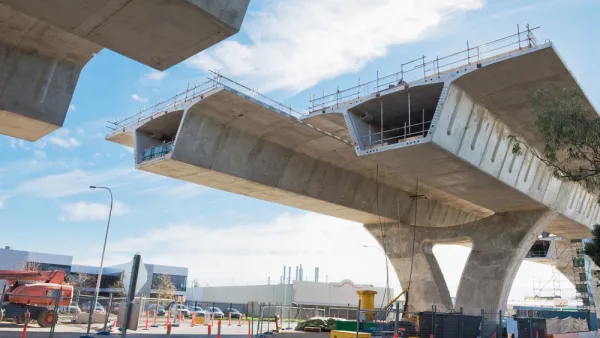
Analysis of U.S. DOT BUILD Grants Raises Critical Issues About Spending Priorities
Transportation for America is crunching the numbers on how the Trump administration has shifted transportation funding programs since it took over the TIGER grant program and made it into the BUILD grant program.
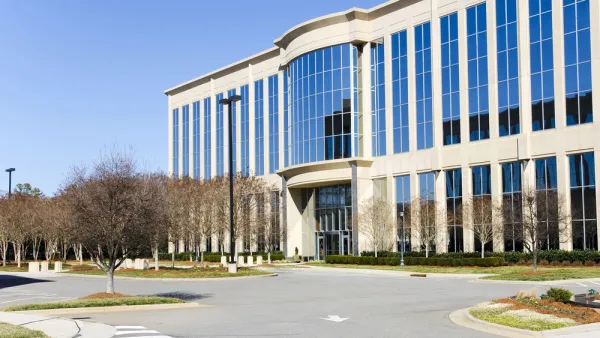
Watch: What it Takes to Retrofit Suburbia
June Williamson explains the necessary components of the next generation of the suburban retrofitting project, and why these actions are so necessary.
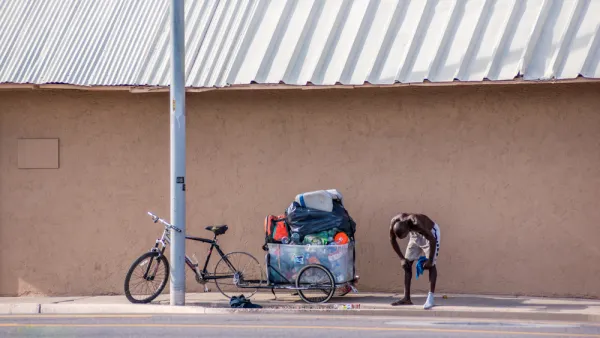
Dead on Arrival: Vision Zero Loses at the Phoenix City Council
Car-oriented politics keeps scoring wins in Phoenix.

A Car-Centric Past and a More Vertical Future in Phoenix
Phoenix has the zoning for more height in its downtown, and future development might finally yield a more recognizable skyline.
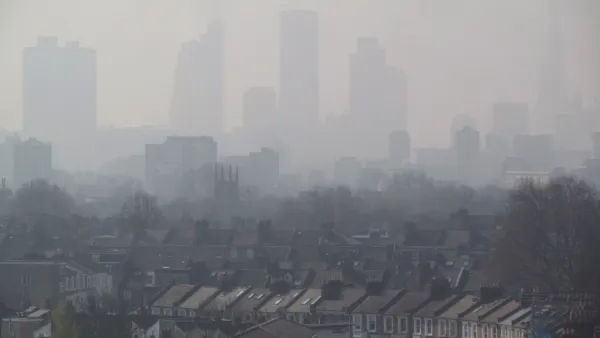
Crisis Response Afforded Aviation Fatalities But Neglected for Automobile Tragedies
The Globe and Mail editorial board points out the obvious hypocrisies of the global response to an aviation tragedy relative to the ongoing tragedies that occur every day as a result of the world's reliance on automobiles.
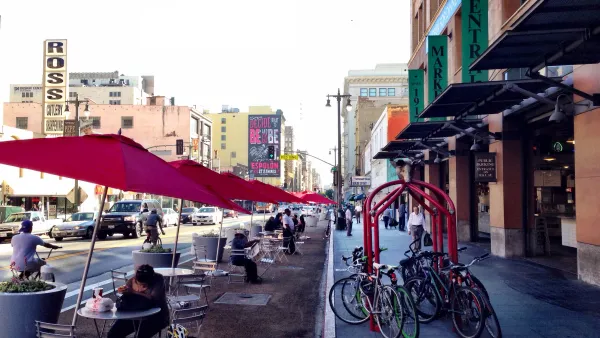
Auto-Centric City Dichotomy: More Mobility Options and More Risk
As cities strive to improve mobility for all users, the existing auto paradigm is slow to change

Delinquent Car Payments Reach Record High
More people are three months behind on car payments today than at the height of the Great Recession. That's bad news for the economy.
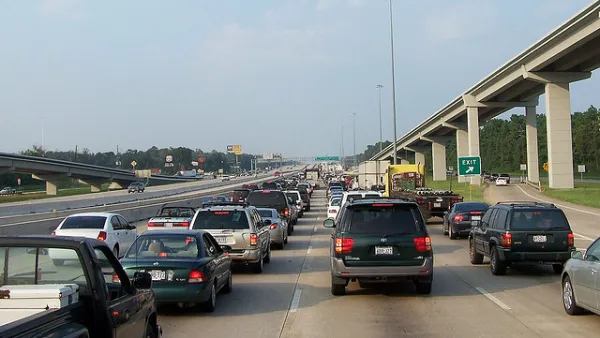
All the Ways Congestion and Long Car Commutes Are Bad for Public Health
The status quo is unhealthy for everybody.
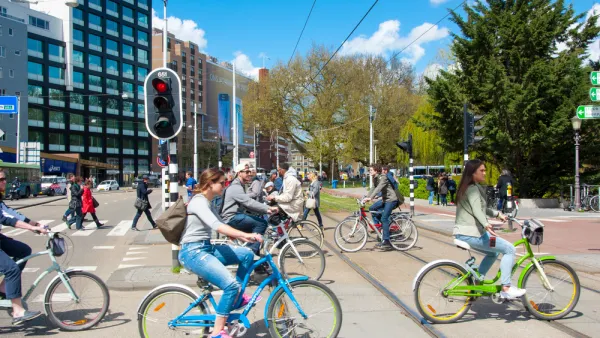
Comparing the Progress of Cities in Providing Alternatives to the Car Commute
A new online tool allows cities to measure progress in providing access to alternative forms of transportation.
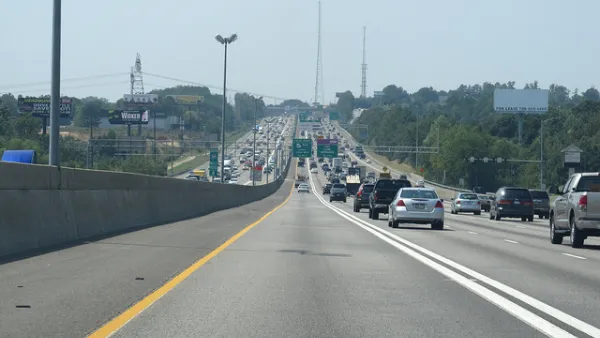
Atlanta Commuters Outspend the Rest of the Country
The commute costs Atlanta residents more than in any other city, according to new analysis by Educated Driver.

FREE Course: Walkable City 1: Why Walkability?
After describing his path towards focusing on walkability as the essence of good planning, Jeff Speck marches through his five principal reasons for making more walkable places.
Reinventing Malls: Planning Alchemy—Turning Gray Fields Into Gold
The course focuses on the opportunities and imperatives that shape reinvention of mall sites.

City of Rosemead
Rutgers University, Edward J. Bloustein School of Planning and Public Policy
One Hundred Miles
Hunter College, City University of New York (CUNY)
The Architects Foundation
University of Cincinnati Online
City of Cambridge
Montrose County
The Pocatello Development Authority









