Auto Dependence
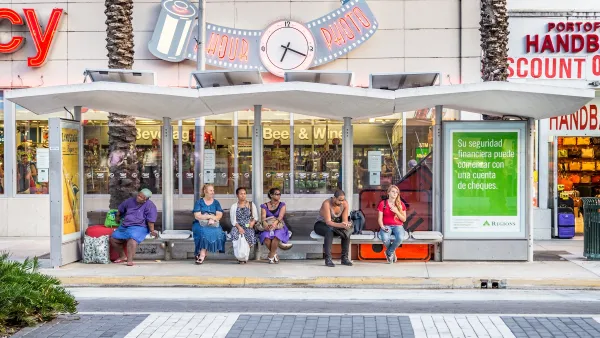
Report: Just 10% of US households live near 'frequent, reliable' transit
The analysis highlights how sprawl and a lack of transit investment perpetuate car dependency for most Americans.

Yes, another thing that car dependency makes worse: DUIs
In the land of the free (and the cars), design incites drinking and driving.

Cost of living too high? Planners to the rescue!
Excessive costs of living force many people to work more than optimal hours, leaving less time for family and fun. Local policies that favor affordable housing and transportation increase freedom, opportunity and happiness.
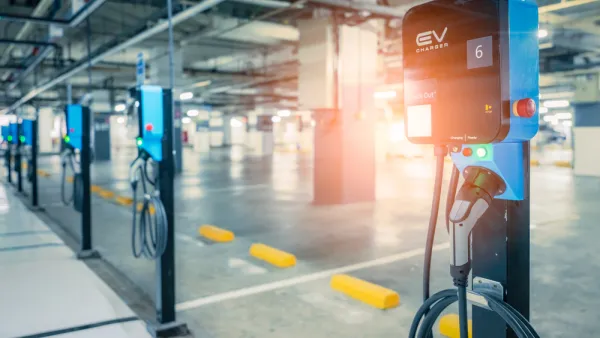
Study: How EVs Perpetuate the Harms of Car Culture
While they emit less pollution, electric cars don’t solve many urgent issues like sprawl and fine particulate pollution.
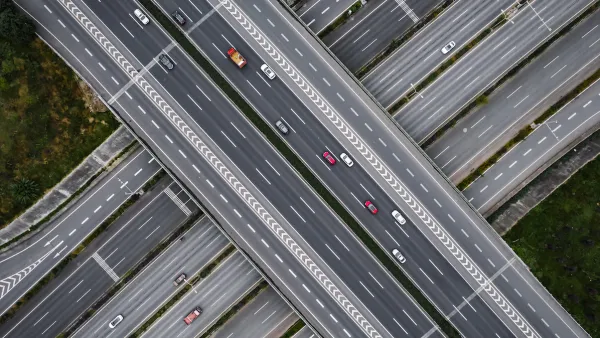
The Harms of a Car-Centric World
While most of the world’s population doesn’t drive, cars have an outsized negative impact on public health, the environment, and land use.
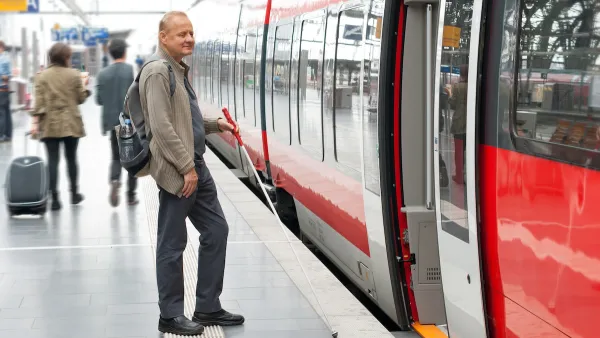
How Car Dependency Impacts People With Disabilities
People who are physically unable to drive can benefit from effective public transit systems and accessible, mixed-use neighborhoods.
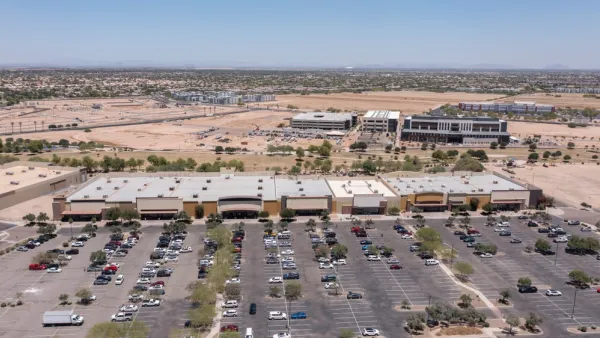
The Tragedy of Parking
Parking minimums and other zoning laws have made American cities untenable for any other type of transportation. It’s time we find a new way to zone our cities.
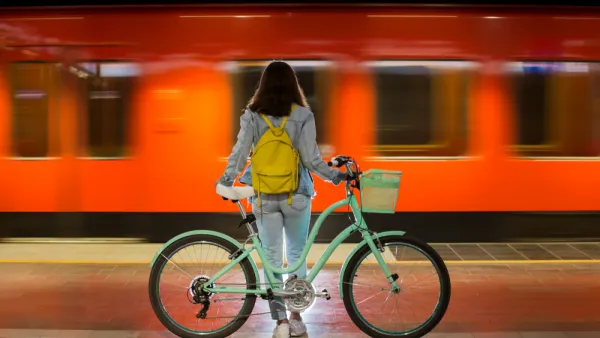
The Business Case for Multimodal Transportation Planning
Travel demands are changing and so should planning. There are good reasons for communities to spend less on automobile facilities and more on walking, bicycling, and public transit. Let’s examine why.
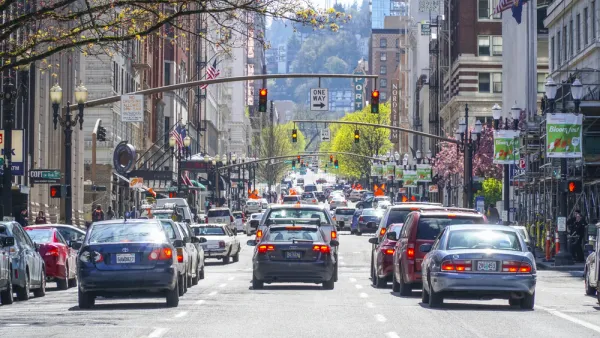
What Is Automobile Dependency?
Automobile dependency is a term used to describe households who must rely on private vehicles for everyday transportation, often due to a lack of safe pedestrian infrastructure, ineffective or absent public transit options, and sprawl.
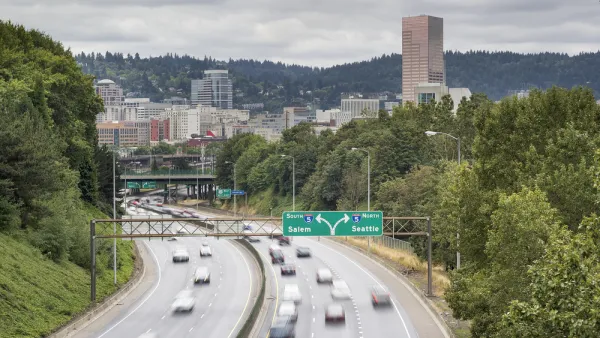
Oregon Youth Activists Protest Highway Expansion
A group of young climate activists are demanding an end to traffic-inducing road expansion projects and a renewed commitment to sustainable, transit-oriented transportation.

'15-Minute City' To Be Built in Utah
A community that focuses on reducing the need for car ownership and providing effective multimodal transportation and diverse land uses will be built from scratch on the site of the decommissioned Utah State Prison.

Ride-Hailing Industry Induces Car Ownership, Research Says
New research from researchers at Carnegie Mellon University finds that instead of setting people free from cars, more people are buying and using cars than ever before.
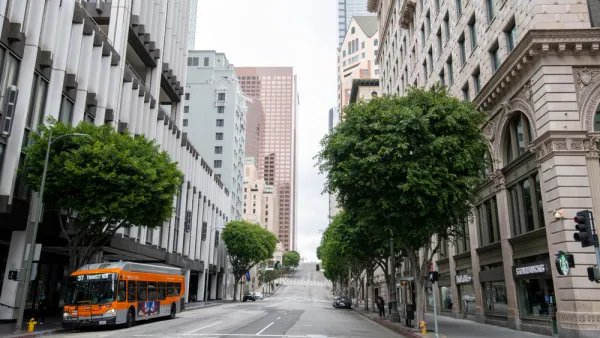
L.A. Metro Plans for an Equitable Recovery
The pandemic has forced difficult confrontations with inequities that existed long before the novel coronavirus. L.A. Metro planners are responding by charting a path toward a transportation system that reverses and improves those previous realities.
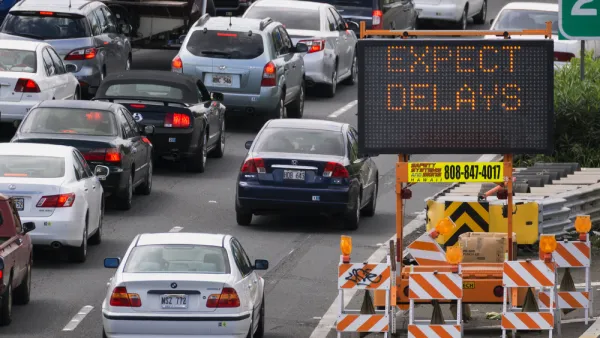
A Call for Congestion Pricing in Hawaii
Everyone pays a high price for the congestion and pollution of car dependence, according to this article, so maybe drivers should start paying more for the privilege.
On the U.S. Transportation System's Structures of Inequality
The tendency of transportation planning of the 20th and 21st centuries to negatively impact poor and minority populations received deep attention on national media outlets over the past few days.
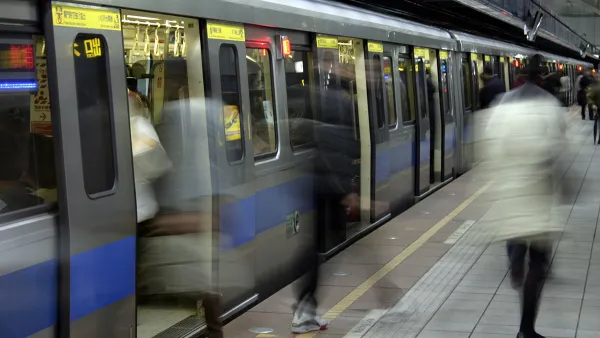
Study: Reducing Car Dependence Would Save $100 Trillion by 2050
A study examines the impact of a worldwide shift away from automobile infrastructure and finds a staggering amount of potential benefits by the year 2050.
Post-Car? Helsinki's Plans for a Tech-Enabled Mobility Network
Helsinki, capital of Finland's, is working to create a "mobility on demand" system that integrates shared and public transit in a single payment network. The idea is that with such a system in place, residents would no longer need cars.
Dallas the Setting for a Discussion of 'New Cities'
After the New Cities Summit last week, and the U.S. Conference of Mayors this week, Dallas has been the location of a lot of recent discussion about the future of cities.
Is Your Commute Killing You?
Though research has been piling up on the adverse health impacts connected with driving long distances every day, it turns out that no matter how you travel to work, "having a job far from home can undermine health."
Developing A Coexistence Between High Speed Rail and L.A.
Los Angeles architect Roger Sherman is trying to help guide the car-centric L.A. area into harmonious coexistence with the state's planned high speed rail.

FREE Course: Walkable City 1: Why Walkability?
After describing his path towards focusing on walkability as the essence of good planning, Jeff Speck marches through his five principal reasons for making more walkable places.
Reinventing Malls: Planning Alchemy—Turning Gray Fields Into Gold
The course focuses on the opportunities and imperatives that shape reinvention of mall sites.

Rutgers University, Edward J. Bloustein School of Planning and Public Policy
One Hundred Miles
County of Mendocino
The Architects Foundation
University of Cincinnati Online
Montrose County
Northern Illinois Transit Authority (NITA)
The Pocatello Development Authority








