In the land of the free (and the cars), design incites drinking and driving.



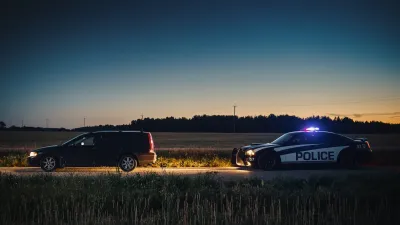
One of the most fascinating things about American suburbia is those restaurants, bars, pubs etc., placed in the middle of a highway or the like. What I think is of interest is the pure nature of going to a bar where there are virtually no other transportation options but to arrive in a motor vehicle. In these places, people will drink alcoholic beverages (as one does in a bar, duh), but then what happens? In most cases, they have to drive back home. And here is where the problem begins.
Some will say this is only because of the negligence of the impaired driver, and while the blame is rightfully directed to the individual who chose to drink and drive, to think there were no other factors that led to this final, lethal and awful decision is to ignore reality. Yes, it is illegal to drink and drive, but it is also illegal to hit and kill pedestrians, and people still do it — and will continue to do it unless something bigger than just traffic laws changes.
Nothing but a fence
According to the National Highway Traffic Safety Administration, about 34 people in the United States die in drunk driving crashes every day. In 2023, 12,429 people died in alcohol-impaired driving traffic deaths alone, and according to FBI Uniform Crime Reporting estimates, and law enforcement agencies arrested approximately 804,926 people suspected of driving under the influence in 2024. For varied reasons, drunk driving is a significant issue in the United States. One of these is the intrinsic design of our cities. They indirectly incentivize behaviours where an individual can drive to a bar and drive back because there are no other transportation options. When a system is designed such that safe choices are inconvenient or expensive and risky choices are convenient, predictable outcomes occur.
There is a significant amount of literature looking at this issue, and while not all conclusions are alike, one thing is clear: how we design our communities affects the outcome of people’s decision to engage in impaired driving. One of the main issues is the lack of alternative transportation options. Two examples that come to mind are suburban and rural environments. In the latter, the pattern of drinking and driving is well observed. A report published in The American Journal of Drug and Alcohol Abuse studied the risk of alcohol abuse in urban versus rural DUI offenders. The results of this study indicated that rural DUI offenders had a significantly greater risk of heavy alcohol use when compared to their urban counterparts.
The results of this study support the findings of more qualitative studies, such as the one published by Greene et al. (2018) in the Journal of Accident Analysis & Prevention, titled "Context and culture: Reasons young adults drink and drive in rural America." This study analyzes the various facets of rural environments and how social, environmental and cultural factors affect how and why young adults choose to drive impaired. Environmental reasons, such as low population density, affect the way people think before getting behind the wheel impaired. "One participant stated, 'You’d be kind of afraid to run into something, like, in New York — whereas here, you’re not gonna run into anything but a fence!' (female, FG 3). Another participant explained that drinking and driving was more dangerous in urban areas because 'there’s more people to be endangered' (male, FG 7)." Additionally, a lack of alternative transportation is noted as a big factor in why young adults choose to drink and drive. Crucially, alternative transportation seems to be one of the most effective ways to protect against drinking and driving in some communities, yet neither public nor private options are usually available in very rural environments.
Alternatives matter
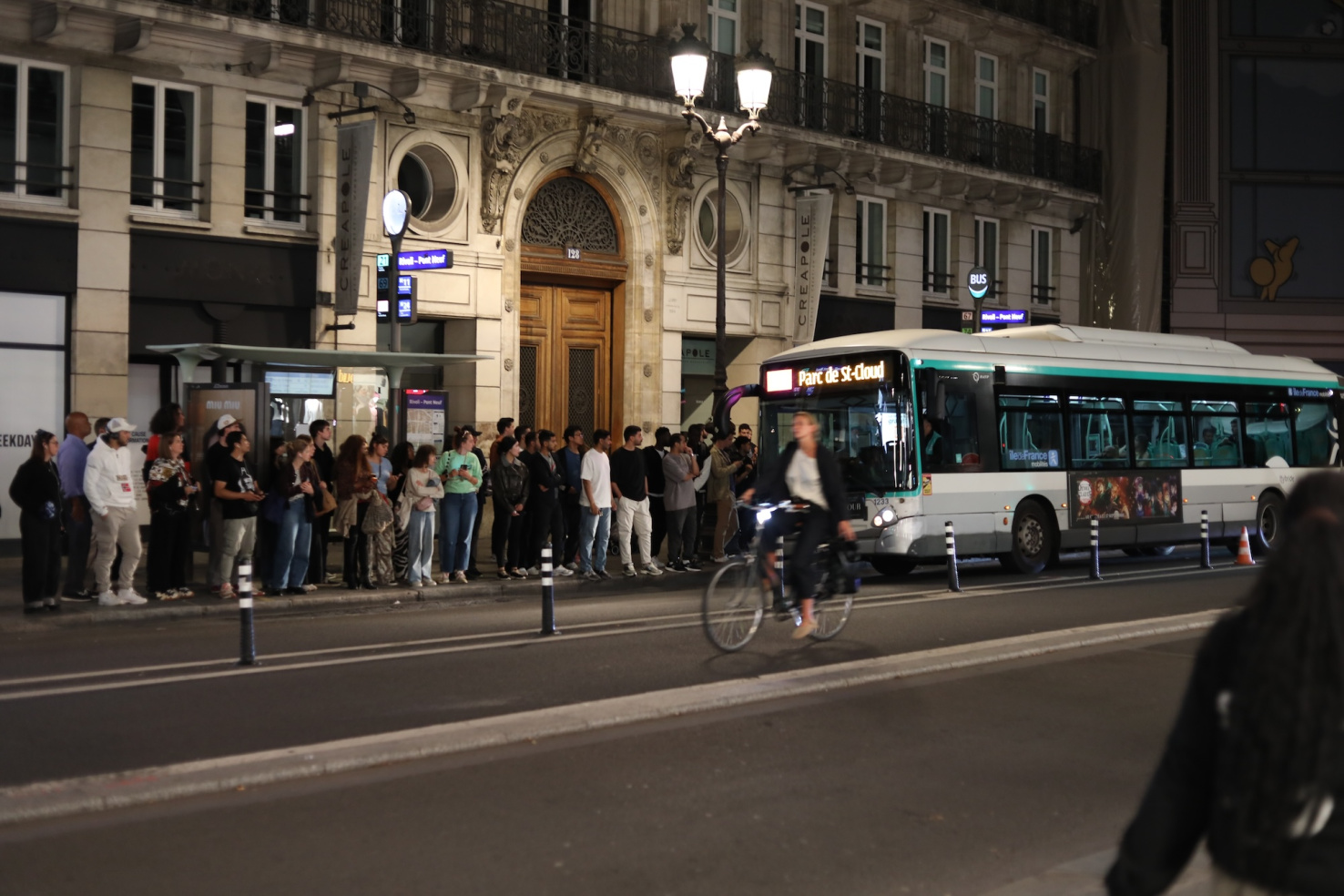
Adding to the literature, Jackson and Owens (2009) authored the paper "One for the road: Public transportation, alcohol consumption, and intoxicated driving", in which they investigated train schedule changes (late night transit service) in various Washington D.C. neighborhoods. An interesting finding is that while areas where bars are within walking distance to transit stations experience increases in alcohol related arrests, they also experience decreases in DUI arrests. In other words, more people are drinking, but they are arguably doing less societal damage while doing so. This reinforces the argument that increased transit service changes the decision of individuals to drive impaired.
Rideshare also seems to be an effective way to reduce DUI rates. A 2021 study, "Association of Rideshare Use With Alcohol-Associated Motor Vehicle Crash Trauma," published in the Journal of the American Medical Association by Conner et al. investigated the effects of traffic related traumas and drunk driving conviction rates after Uber was introduced in the city of Houston. In this study, introducing rideshare services in the Houston metropolitan area was found to decrease crimes such as DUIs, "In this study, introducing rideshare services in the Houston metropolitan area was associated with significant reductions in MVC traumas and impaired driving convictions. Increased use of rideshares may be an effective means of reducing impaired driving and decreasing rate of MVC traumas." And Houston is not the only city to have experienced the same results.
In New England, cities such as Boston experienced similar effects. In 2023, the National District Attorneys Association conducted a study investigating the relationship between rideshare volume and DUI incidents in Boston, Worcester, and Northampton in the state of Massachusetts. Results showed that across the three locations, "there was a substantial decrease in DUI incidents or arrests following the broad introduction of ridesharing (either by Lyft, Uber, or both) into those communities. The post-introduction decrease in incidents and arrests ranged from 39.4 percent in Northampton to 52.9 percent in Worcester." Hence, from Texas to Massachusetts, the results are the same: rideshare availability affects the decision of whether or not to drive impaired.
Let’s pave the right path
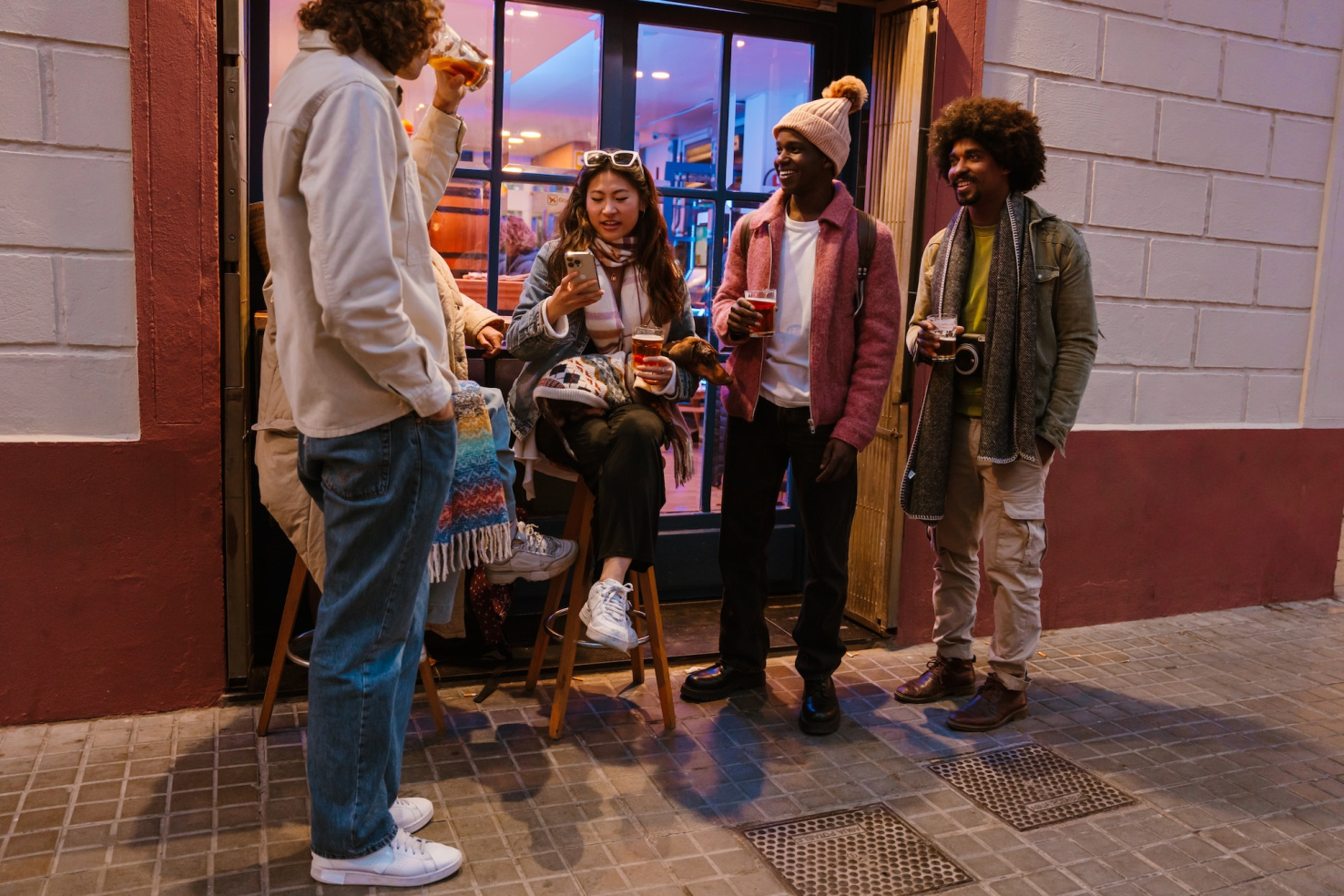
The way we build our cities has an important effect on our behaviour. As mentioned in my previous article, your surroundings have a significant effect on how you live your life, and in the case of alcohol consumption, what life-altering choices you are going to make when you choose your mode of transportation.
Suburban environments, in many cases, have both urban and rural roads. Various business and commercial establishments are found in urban areas, but a lack of infrastructure (specifically, alternative transportation) is found in rural areas. While it is true that DUIs will still happen in environments with rich public transportation with late-night service, accessible ridesharing services and other options to choose from, the rate at which it does is significantly lower. These policies and tools can pave a path where driving under the influence is not the easiest or only option, and this is the way it should be viewed. When the only real mode of transportation is driving, then people will drive. The solution is clear: let’s start designing places where the safest choice is the easiest and most convenient option.


Cost of living too high? Planners to the rescue!
Excessive costs of living force many people to work more than optimal hours, leaving less time for family and fun. Local policies that favor affordable housing and transportation increase freedom, opportunity and happiness.
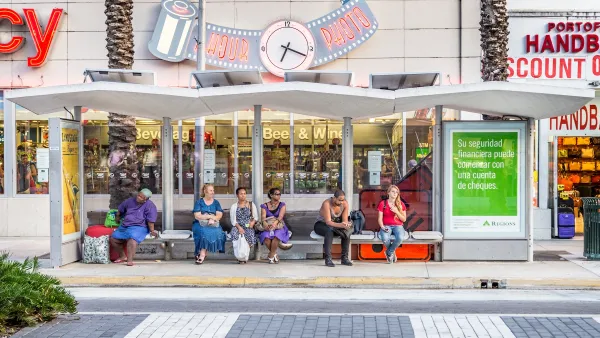
Report: Just 10% of US households live near 'frequent, reliable' transit
The analysis highlights how sprawl and a lack of transit investment perpetuate car dependency for most Americans.
Study highlights links between land use and road safety
New research suggests that shifting 'household-supporting' retail away from dangerous arterial streets can reduce pedestrian deaths and injuries.

The state-sanctioned urbicide of Austin
People don’t kill cities. Freeways do.

US to reduce Colorado River water deliveries to Mexico
A new Colorado Treaty amendment reduces Mexico’s Colorado River water allocation by 250,000 acre feet.

New Jersey’s second-largest city bans standalone data centers
Jersey City will continue to allow co-location facilities, such as those meant for research institutions that store their own data.

Amtrak not solely to blame for New Jersey commuter rail's unreliability, report finds
A new study from the Garden State Initiative found that NJ Transit’s budget grew 20% across a 4 year period, but reliability declined significantly over the same period.

EPA erases limits on planet-warming pollution from power plants
Under Monday’s plan, power plants would still have some limits on how much mercury, arsenic and other contaminants they can emit.

Phoenix announces new on-demand transit service, more frequent RAPID buses
Both new services will launch in October, and are part of Phoenix's Project Effective Access Solutions for Easing Congestion.

FREE Course: Walkable City 1: Why Walkability?
After describing his path towards focusing on walkability as the essence of good planning, Jeff Speck marches through his five principal reasons for making more walkable places.
Reinventing Malls: Planning Alchemy—Turning Gray Fields Into Gold
The course focuses on the opportunities and imperatives that shape reinvention of mall sites.

Eagle County Government
Harvard University Graduate School of Design
Nashville Planning Department
The Architects Foundation
University of Cincinnati Online
The Pocatello Development Authority
The Urban Renewal Agency of the City of Pocatello
Journal of the American Planning Association

