Americans with Disabilities Act
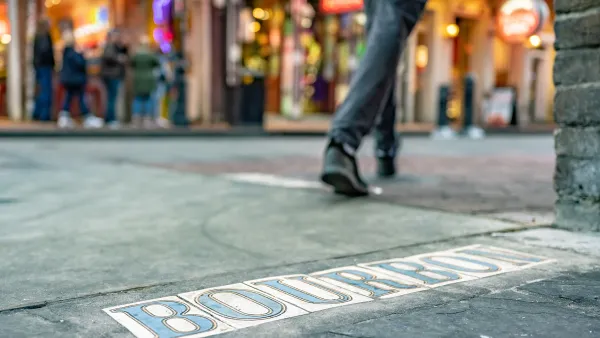
New Orleans Makes Push for Accessibility Improvements Ahead of Super Bowl
Major sporting events like the Olympics and the Super Bowl can serve as catalysts for major changes in transportation infrastructure and accessibility.

DOJ Issues Warning to Local Governments with 'Crime-Free' Housing Programs
The Justice Department has put local governments with “crime-free” and “nuisance” housing programs on notice that implementation may be unlawful when it unfairly penalizes classes of people protected under federal law.
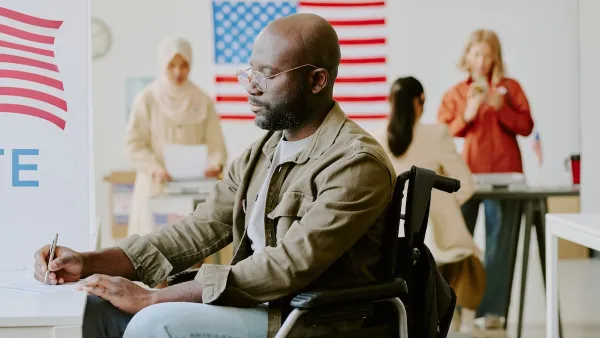
Making Voting Accessible to Everyone
Voters with disabilities often have a hard time getting to the polls. Mail-in voting helps, but some states are limiting it.
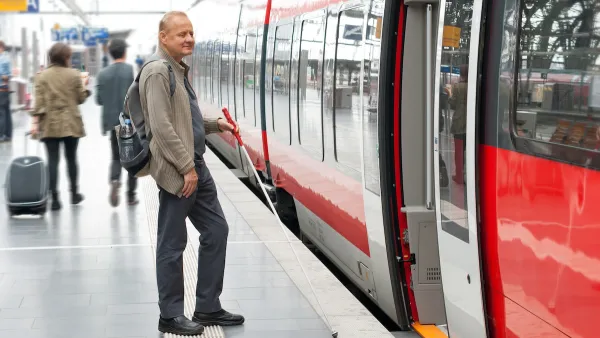
Beyond Compliance: The Crucial Role of the ADA in Planning Great Communities
The Americans with Disabilities Act was passed in 1990 to protect people with disabilities from discrimination, but more work is needed to make U.S. communities accessible to all. And planners have a key role to play.
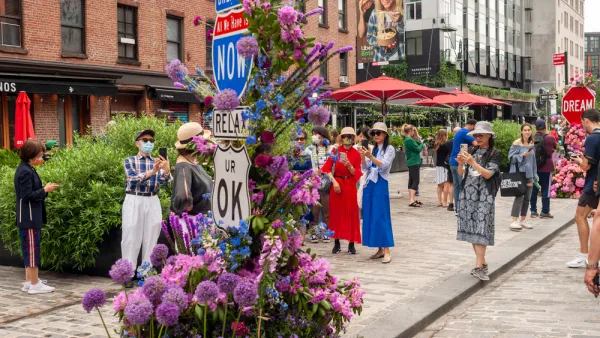
NYC Open Streets Program Faces Lawsuit
A group of residents is charging the city with violating accessibility requirements by blocking vehicular traffic on some blocks.
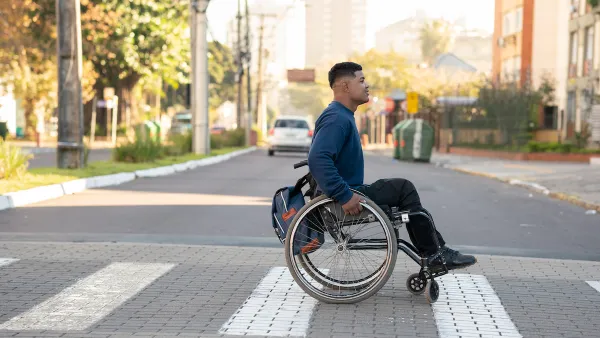
How to Protect Pedestrians With Disabilities
Public agencies don’t track traffic deaths and injuries involving disabled people, leaving a gap in data to guide safety interventions.

Understanding Accessibility in the Public Right-of-Way
A ‘best practices’ manual guides accessibility on streets and sidewalks, but remains legally unenforceable.
How Cities Still Fail People With Disabilities
Even when accessibility is taken into account, transit stations and pedestrian infrastructure often still fail to make appropriate accommodations.
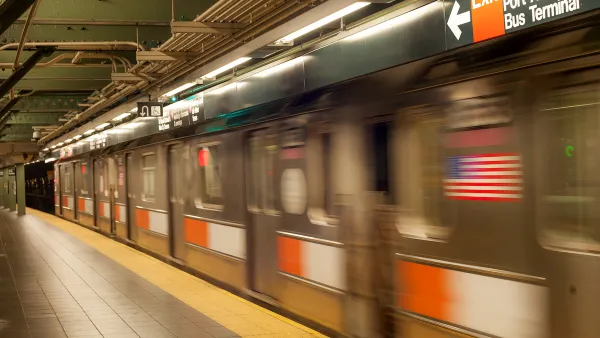
Report: NYC Transit Accessibility Depends on Congestion Pricing Revenue
The ability of the MTA to complete its accessibility upgrades relies on funding from the upcoming congestion pricing program.
Let's Get Some Things Straight: ADA in America
The Planning Commission Podcast: Exploring Universal Design
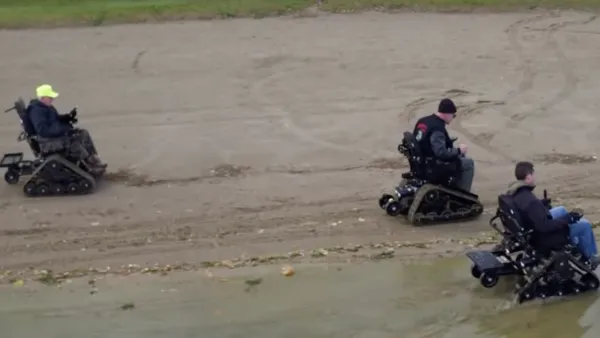
Michigan State Parks Make Headway on Accessibility
Among other efforts, the state parks system leads the nation in the number of track chairs, a mobility device designed to help people with mobility issues enjoy park trails and beaches.
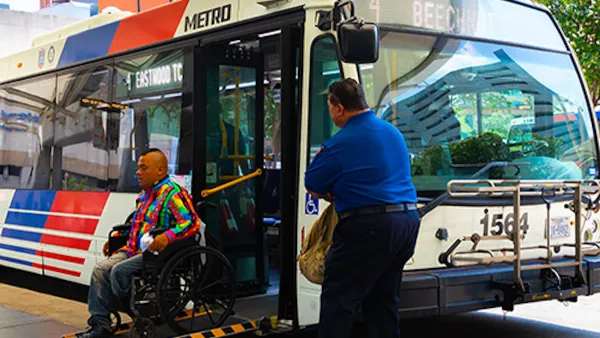
Houston Makes ADA Upgrades to 5,000 Bus Stops
The project is part of a larger plan to make all of the region’s bus stops universally accessible.
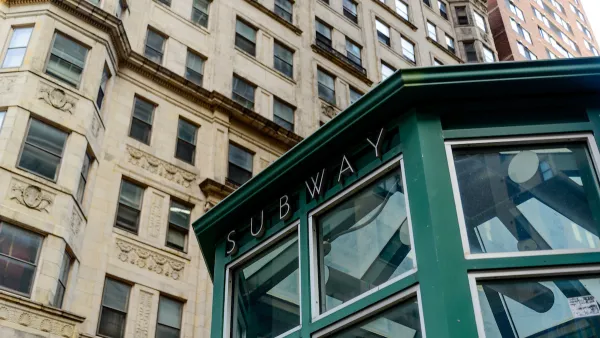
FTA Announces Accessibility Funding for ‘Legacy Stations’
The 2024 budget includes close to $350 million for accessibility improvements at transit stations.
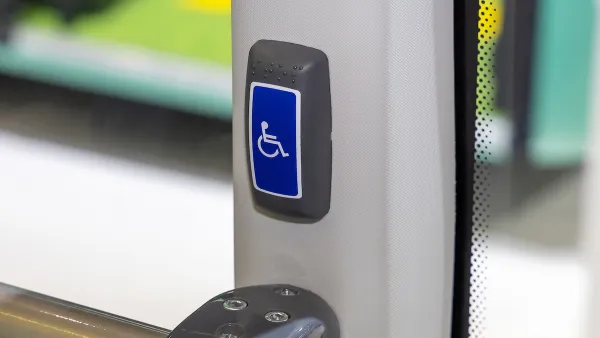
Phoenix Transit Riders Face Accessibility Challenges
Disability advocates want the city’s transit agencies to expand the scope of their accessibility efforts to include a broader range of needs.
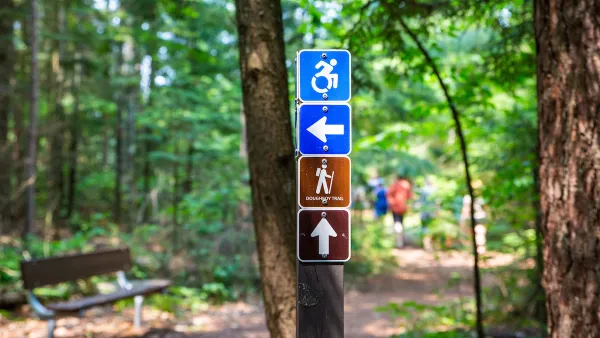
How States Are Improving Accessibility for Parks and Trails
State parks are introducing adaptive mobility devices to help more visitors enjoy natural spaces.
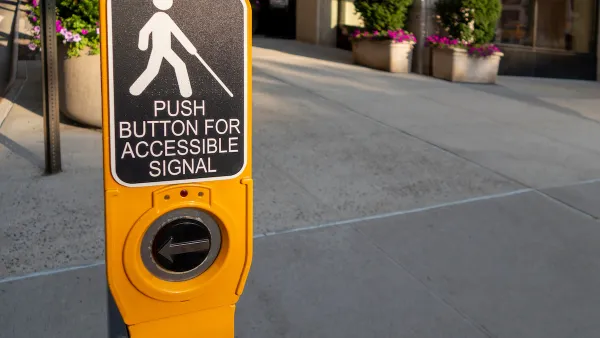
New Guidelines Bring Clarity to Accessibility Requirements
The new rules could help bridge the gaps in accessibility infrastructure and ADA compliance, making roads and sidewalks safer for everyone.
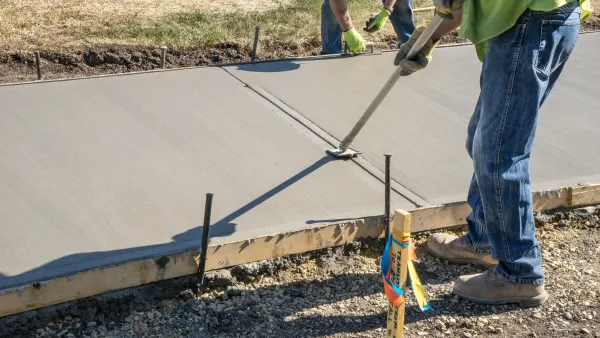
Completing Sidewalk Networks: Benefits and Costs
Many communities have incomplete or inadequate sidewalk networks that fail to accommodate all users. A new study indicates that completing sidewalk networks is one of the most basic and cost effective transportation improvements.
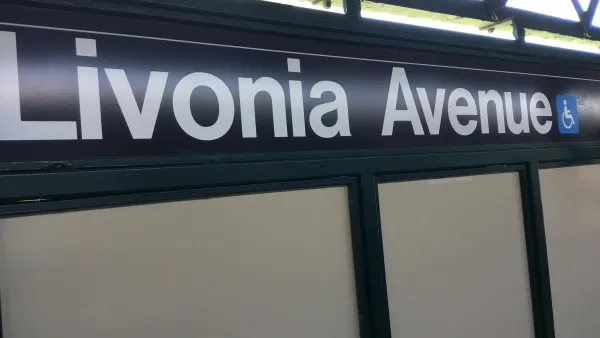
New York Subway Begins Accessibility Improvements
The MTA is putting its effort to improve the system’s century-old stations to make them more universally accessible in high gear, adding elevators, boarding upgrades, and mechanical improvements.
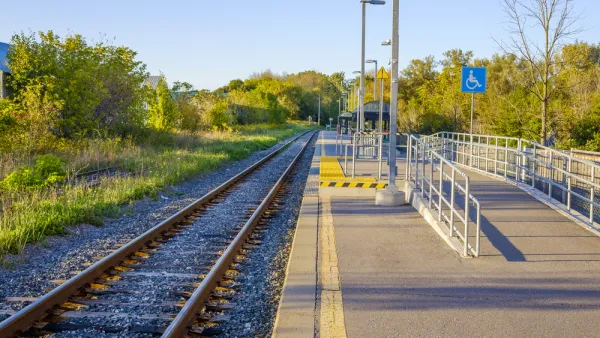
ADA Compliance Slowly Makes Headway
Decades of advocacy are paying off, but it often takes legal action to force cities to make accessibility improvements mandated by the Americans with Disabilities Act over thirty years ago.
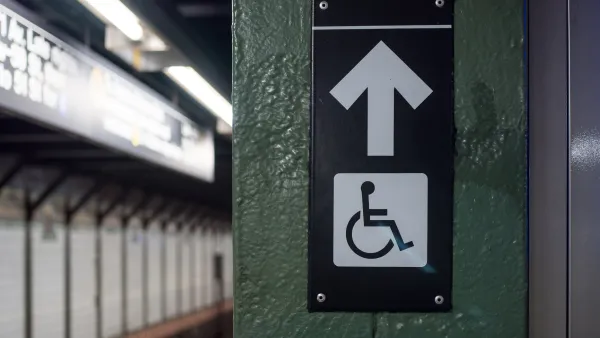
New York Must Make Almost All Subway Stations Accessible by 2055, Judge Rules
Another recent ruling is forcing the agency to accelerate its efforts to make all New York subway stations accessible to people with disabilities and mobility issues.

FREE Course: Walkable City 1: Why Walkability?
After describing his path towards focusing on walkability as the essence of good planning, Jeff Speck marches through his five principal reasons for making more walkable places.
Reinventing Malls: Planning Alchemy—Turning Gray Fields Into Gold
The course focuses on the opportunities and imperatives that shape reinvention of mall sites.

City of Rosemead
Rutgers University, Edward J. Bloustein School of Planning and Public Policy
One Hundred Miles
Hunter College, City University of New York (CUNY)
The Architects Foundation
University of Cincinnati Online
City of Cambridge
Montrose County
The Pocatello Development Authority









