Social / Demographics
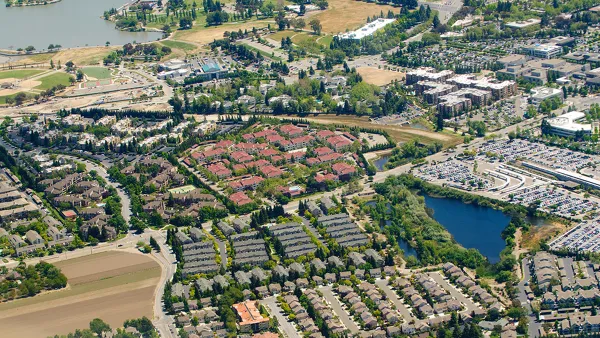
The Return of Suburbanization
The "back to the city" movement of the past decade or so could prove to be the outlier, as Census data shows population growth slowing in the biggest cities while suburban areas lead population growth in more metropolitan areas.
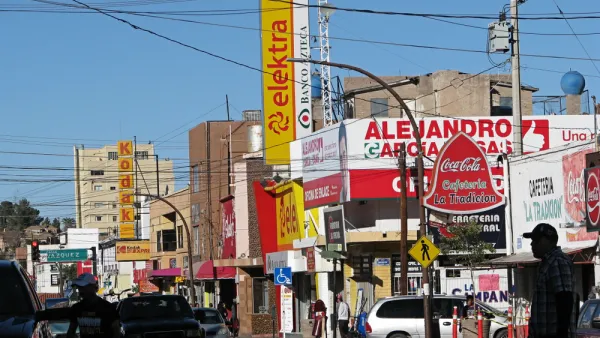
Population Figures Tell a Tale of Two States in Arizona
Recent Census population estimates tell a story of quick growth in many parts of Arizona, but there are a few places that are quickly shrinking, too.
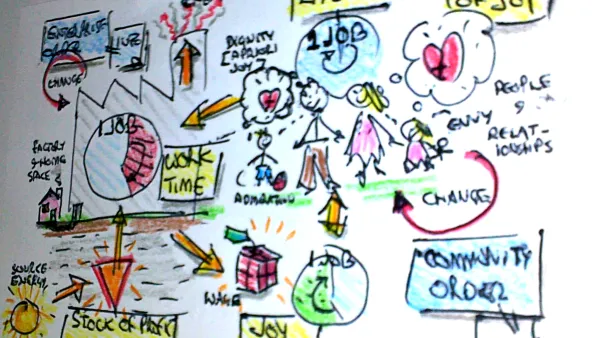
APA Releases its First Guide to Equity
The American Planning Association (APA) makes a clear statement that planners are especially suited to address matters of social equity.
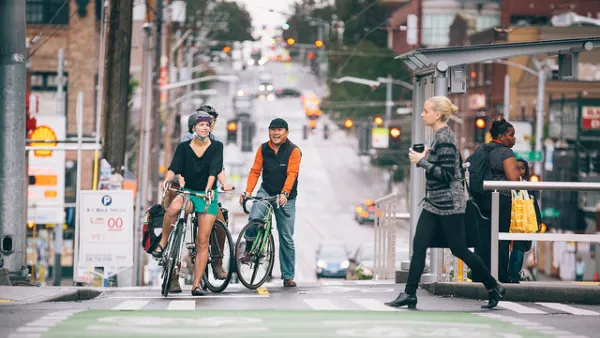
The Gender Gap for Biking Is Larger in Seattle Than the National Average
People on bikes or men on bikes?

Regulating Car Ads to Discourage Unsafe Driving
Dangerous driving is a common feature of U.S. car ads, but other countries have banned this advertising because it glorifies reckless behavior.
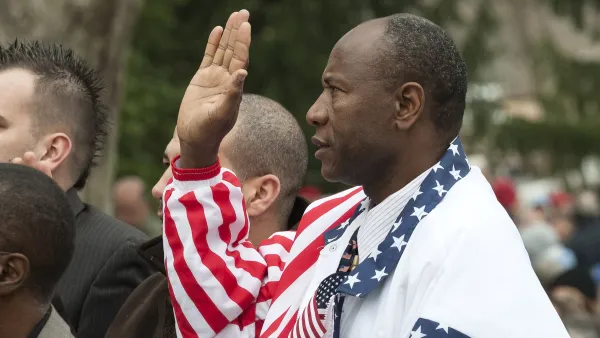
Answers to Key Questions about U.S. Immigration
The Pew Research Center this week released its most recent "Facts on U.S. Immigrants" report.
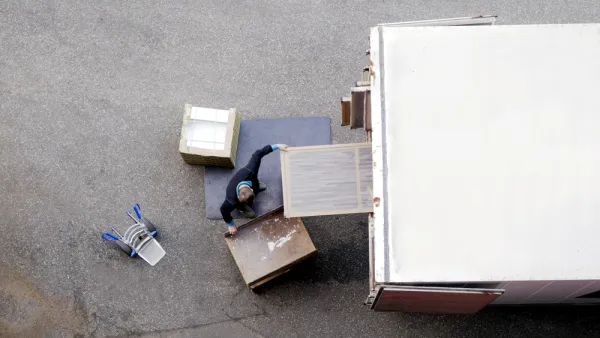
For Many, the Personal Cost of Moving Outweighs Potential Economic Benefit
Another explanation for the declining mobility of Americans is revealed by a new study from the Federal Reserve Bank of New York.
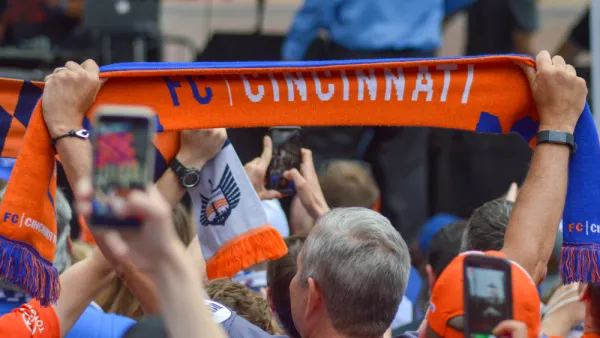
Soccer Stadium Development Opposition Grows to a Neighborhood-Level Movement
Displacement concerns surrounding stadium plans for the FC Cincinnati Major League Soccer team have grown into a citywide call for development approvals reform.
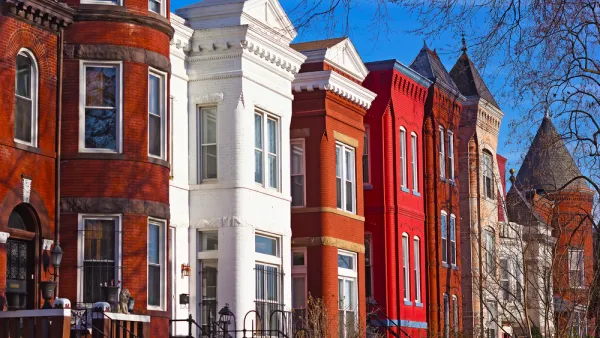
Report: D.C. Metro Area Still Needs More Housing
Despite a downtown construction boom, housing is still scarce across the Capital Region. And nearly two-thirds of new homes built since the year 2000 have been single-family structures.

How the Middle Class Is Faring on Housing
While the middle class does not face the same kind of nationwide affordability crisis as low-income populations, geography and demographics are placing new stress on middle-income households.
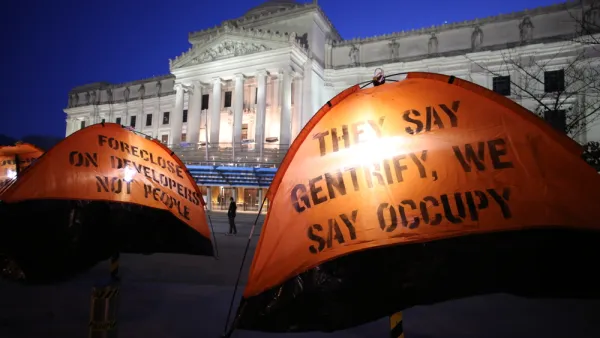
Watch: 'Revitalization Without Gentrification'
Chuck Marohn of Strong Towns sits down for an interview with Derek Avery, "a community-conscious real-estate developer based in Dallas, TX."

Does Oakland Have a Future as a Public City?
The city is experiencing significant growth and development, but it has a complicated history of booms and lags and its civic future is uncertain.
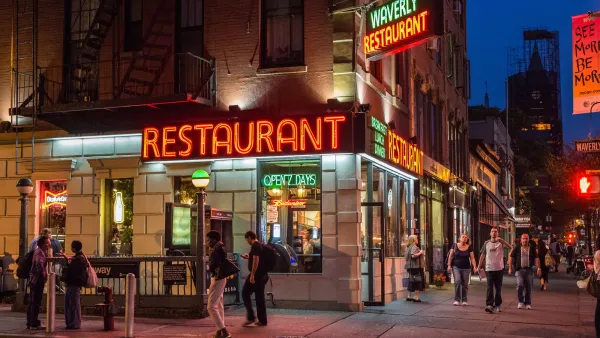
Nighthawks No More: N.Y.C. Diners Face an Uncertain Future
Diners are part of social and cultural landscape of New York City, but many are closing as owners contend with increasing development pressures.

Nevertheless, the Youthful Preference for Urban Living Persisted
A forthcoming study, to be published by the Journal of Regional Science, finds the urban preferences of younger generations growing over the past three decades.

Creating Suburban Exclusivity in the City
City life is being sold as a convenient version of the suburbs, with similar amenities minus the time-consuming commute.
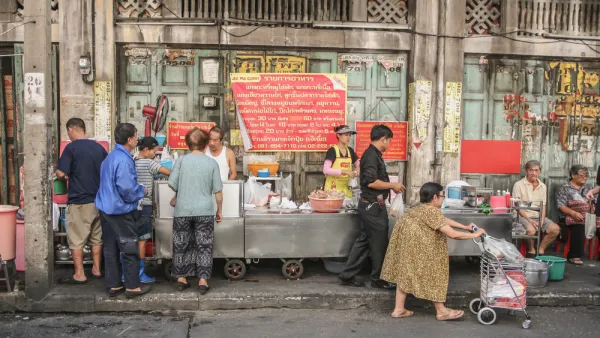
New on Netflix: How Street Vendors Create Vibrant Cities
Street vending has been a contentious issue in many places, but this part of the informal economy is important to the social and economic well-being of cities.
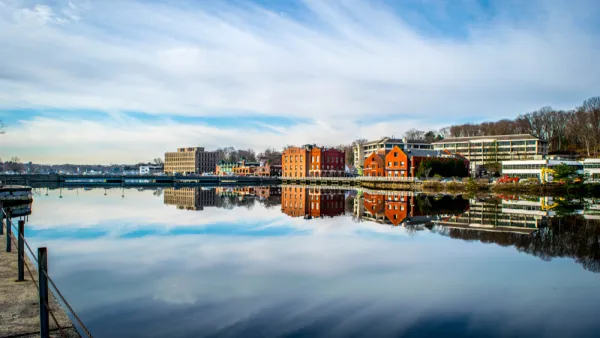
How Wealthy Suburbs Block Outsiders From Economic Opportunity
Exclusionary zoning and land use tactics have a long history in the United States, retaining startling relevance in contemporary times. A deep investigation into Connecticut land use politics reveals just how entrenched these practices are.
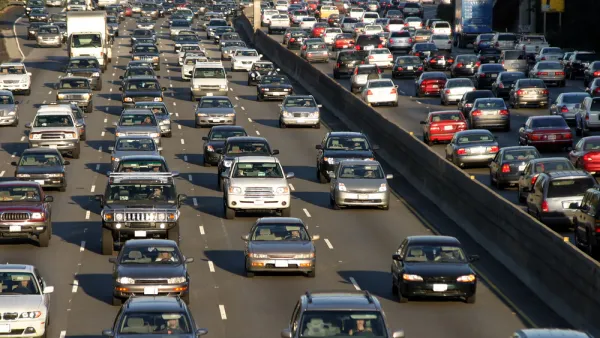
What Do Cities With Fewer Cars Have in Common?
A new analysis looks at how income and population density are related to car ownership and some ways that the design of cities can help lessen car dependence.
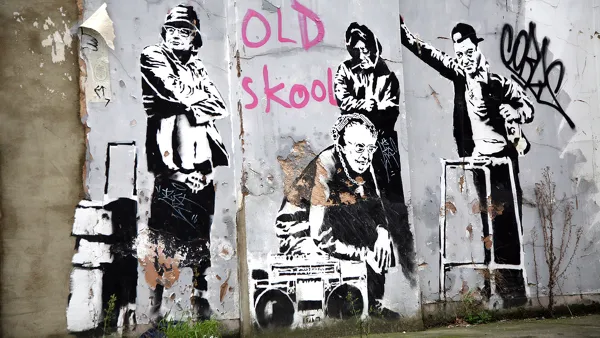
An Urban, Technologically Enabled Era of Retirement
A feature article in Marketwatch describes a future for retirement communities that look more like WeWork than the golf course-adjacent exurban communities of the 20th century.

Stampede of New Residents Challenges Fort Worth
An interview with Fort Worth Planning and Development Director Randle Harwood on the planning practices and ideas driving the future of one of the nation's fastest growing cities.

FREE Course: Walkable City 1: Why Walkability?
After describing his path towards focusing on walkability as the essence of good planning, Jeff Speck marches through his five principal reasons for making more walkable places.
Reinventing Malls: Planning Alchemy—Turning Gray Fields Into Gold
The course focuses on the opportunities and imperatives that shape reinvention of mall sites.

City of Charlotte
City of Rosemead
Rutgers University, Edward J. Bloustein School of Planning and Public Policy
University of Michigan School for Environment and Sustainability (SEAS)
Hunter College, City University of New York (CUNY)
The Architects Foundation
University District Partnership









