In a survey conducted last October, Zillow found that 27 percent of respondents believe they've experienced housing discrimination. National Fair Housing Alliance president Lisa Rice discusses why that is.


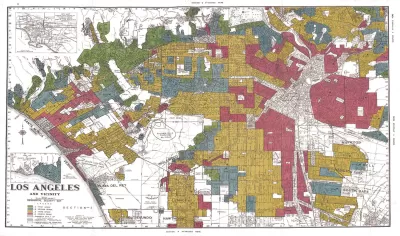
Redlining and other forms of de jure discrimination may be a thing of the past, but according to research from Zillow, as many as 68 million Americans may "believe they've been treated differently in their search for housing because of their status in a protected group."
Those results come from the Zillow Housing Aspirations Report survey, conducted in October of 2018 by Zillow and the National Fair Housing Alliance (NFHA). Surveying 10,000 adults in the nation's 20 largest metro areas, the survey points to ongoing struggles with housing discrimination, especially among black people and other people of color, as well as younger people.
These days, NFHA president Lisa Rice said, "The largest category of official fair housing complaints is disability status. That has changed over time. Historically, race-based complaints made up the largest complaint category; it is now the second-largest basis for complaints." She went on, "But it is important to note that only about 28,000 total discrimination complaints get reported each year. With an estimated 68 million believing they have experienced housing discrimination, that means that the vast majority of fair housing violations do not get reported."
Rice discusses some of the reasons certain groups still experience high rates of housing discrimination. She also outlines some of the many forms that discrimination might take. In the end, she says, entrenched residential segregation and the accumulated disadvantages African Americans and Latinos have in the housing finance system will perpetuate these problems until positive steps are taken.
FULL STORY: What Modern-Day Housing Discrimination Looks Like: A Conversation with the National Fair Housing Alliance

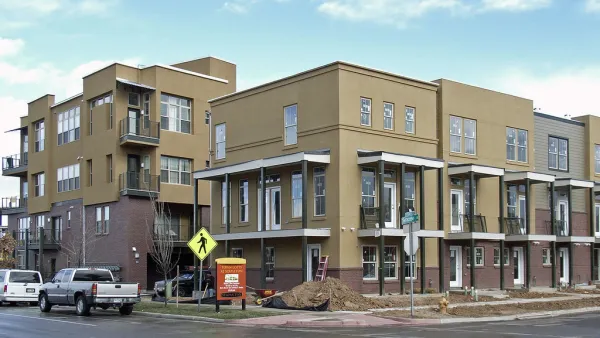
Formerly Redlined Denver Neighborhoods Are Now Gentrification Hotspots
Prices remain depressed in most formerly redlined neighborhoods, but several such areas in Denver now boast higher home values than the city as a whole.
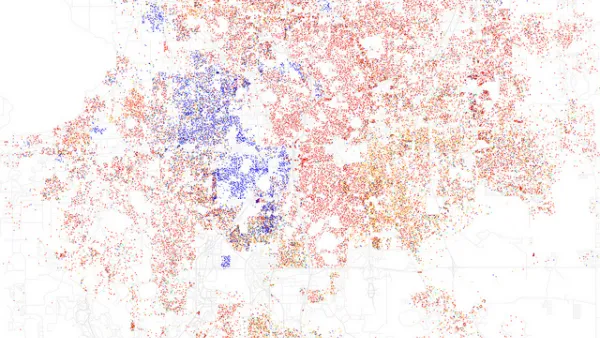
Pollution Does Discriminate in Orlando’s Parramore Neighborhood
Poor air quality has decimated the health of residents in this predominantly black community ringed by highways.

HUD Plans to Kill Key Fair Housing Rule
The department issued a proposal to eliminate the disparate impact rule, a cornerstone of some discrimination rulings under the Fair Housing Act.

The state-sanctioned urbicide of Austin
People don’t kill cities. Freeways do.

US to reduce Colorado River water deliveries to Mexico
A new Colorado Treaty amendment reduces Mexico’s Colorado River water allocation by 250,000 acre feet.

New Jersey’s second-largest city bans standalone data centers
Jersey City will continue to allow co-location facilities, such as those meant for research institutions that store their own data.

Amtrak not solely to blame for New Jersey commuter rail's unreliability, report finds
A new study from the Garden State Initiative found that NJ Transit’s budget grew 20% across a 4 year period, but reliability declined significantly over the same period.

EPA erases limits on planet-warming pollution from power plants
Under Monday’s plan, power plants would still have some limits on how much mercury, arsenic and other contaminants they can emit.

Phoenix announces new on-demand transit service, more frequent RAPID buses
Both new services will launch in October, and are part of Phoenix's Project Effective Access Solutions for Easing Congestion.

FREE Course: Walkable City 1: Why Walkability?
After describing his path towards focusing on walkability as the essence of good planning, Jeff Speck marches through his five principal reasons for making more walkable places.
Reinventing Malls: Planning Alchemy—Turning Gray Fields Into Gold
The course focuses on the opportunities and imperatives that shape reinvention of mall sites.

Eagle County Government
Harvard University Graduate School of Design
Nashville Planning Department
The Architects Foundation
University of Cincinnati Online
The Pocatello Development Authority
The Urban Renewal Agency of the City of Pocatello
Journal of the American Planning Association