Prices remain depressed in most formerly redlined neighborhoods, but several such areas in Denver now boast higher home values than the city as a whole.


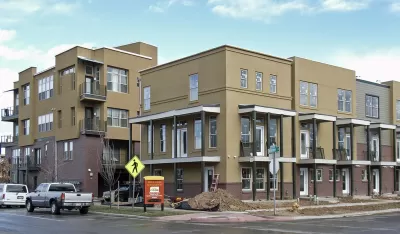
In Denver, Joe Rubino writes, several "Formerly redlined areas such as Five Points, Baker, Highland and Jefferson Park — as well as, notably, part of Cherry Creek, one of the city's toniest neighborhoods — now have a higher combined median home value than the city as a whole."
The piece draws on data from a Zillow study on home values in formerly redlined neighborhoods across the country. Zillow "used maps produced by the Home Owners' Loan Corp., the New Deal-era federal agency that told banks which neighborhoods in their cities were the highest lending risks — rendering 'hazardous' areas in red, or 'redlining' them."
Nationwide, homes in those areas tend to have median values around $50,000 lower than those in surrounding neighborhoods. But in places facing gentrification, the math is different. Of Denver's situation, Rubino writes, "many black and Latino renters in these now desirable neighborhoods have had to make tough decisions in recent years on where they can afford to live as rents and home prices have risen."

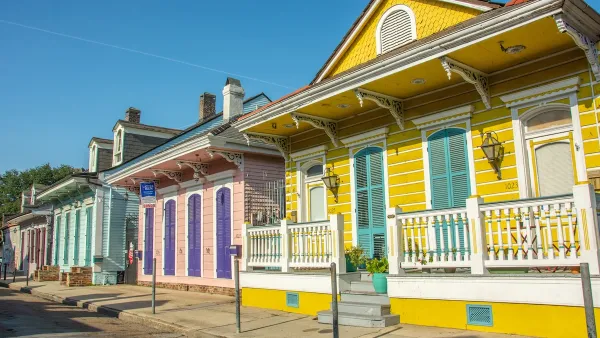
20 Years After Katrina, New Orleans is More Unaffordable Than Ever
The city’s post-hurricane redevelopment has failed to include its most vulnerable residents.

High Housing Costs Driving Down Transit Ridership in LA
When neighborhoods gentrify and displace lower-income residents, transit ridership suffers, new research shows.
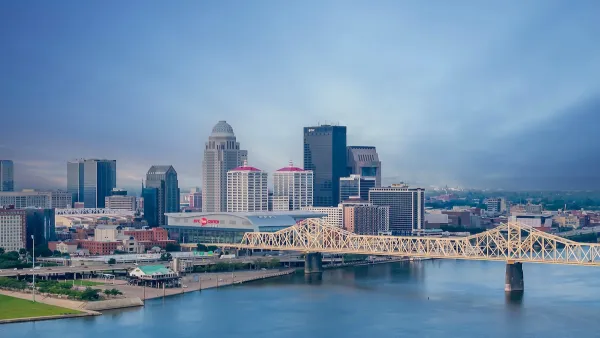
Louisville Launches ‘Anti-Displacement Tool’
After a years-long, tenant-led effort, Louisville will use a new tool to analyze whether a proposed housing development can meet a neighborhood’s housing needs and income levels. If it doesn’t, the city won’t subsidize it.

Planetizen Federal Action Tracker
A weekly monitor of how Trump’s orders and actions are impacting planners and planning in America.

The state-sanctioned urbicide of Austin
People don’t kill cities. Freeways do.

US to reduce Colorado River water deliveries to Mexico
A new Colorado Treaty amendment reduces Mexico’s Colorado River water allocation by 250,000 acre feet.

Baltimore to break ground on $50 million Transit Priority Project
The project will bring faster bus trips, safer streets and better bike connections to Baltimore.

Airbnb launches $250 million 'last-dollar financing' housing accelerator, makes first investment in Austin
The company will put $6.4 million towards affordable housing development in Texas’ capital.

Guerilla urbanists are building DIY bus stop benches in Chicago
A before-and-after of one of the bus stops with a new bench. The new benches are not officially sanctioned or permitted, but the residents who placed them hope they will be the start of a network of DIY benches across the city.

FREE Course: Walkable City 1: Why Walkability?
After describing his path towards focusing on walkability as the essence of good planning, Jeff Speck marches through his five principal reasons for making more walkable places.
Reinventing Malls: Planning Alchemy—Turning Gray Fields Into Gold
The course focuses on the opportunities and imperatives that shape reinvention of mall sites.

Eagle County Government
Harvard University Graduate School of Design
Nashville Planning Department
The Architects Foundation
University of Cincinnati Online
The Pocatello Development Authority
The Urban Renewal Agency of the City of Pocatello
Journal of the American Planning Association