An analysis of New Orleans before and after Hurricane Katrina shows that the neighborhoods most damaged were also the most likely to gentrify.


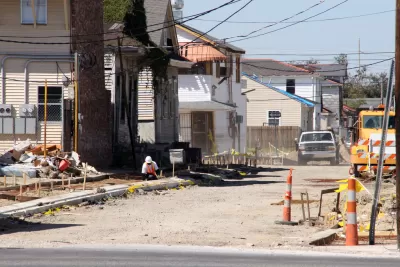
Richard Florida reports on a new paper that looks at the relationship between disaster recovery and gentrification in New Orleans. The researchers determine the probability of neighborhoods gentrifying based on a set of measures from 2000, identify neighborhoods that did gentrify by 2015, and assess the level of damage sustained by neighborhoods from Hurricane Katrina.
"Overall, [Eric Joseph] van Holm and [Christopher] Wyczalkowski conclude that hurricane damage is positively associated with the likelihood of a New Orleans neighborhood having gentrified in the 10 years after Katrina. And they write that gentrification was more likely in neighborhoods that had worse physical damage," writes Florida.
The study also finds that neighborhoods with higher concentrations of African Americans were less likely to gentrify, and Florida notes that these findings are in line with other related research. "The reality is that the recovery from Katrina was terribly unequal, and disasters pave the way for the replacement of the poor by the much more affluent," he says.
Read the full story: How Natural Disasters Can Spur Gentrification

20 Years After Katrina, New Orleans is More Unaffordable Than Ever
The city’s post-hurricane redevelopment has failed to include its most vulnerable residents.
Two Narratives Collide in Post-Katrina New Orleans
“A narrative of rebirth, reform and success that coexists with a narrative of stasis, failure and unrealized dreams.”
New Orleans Faces $1 Billion Shortfall for FEMA-Funded Roadwork
After years of delays, cost overruns, and deadline extensions on a FEMA-funded street repair program, New Orleans officials face a massive funding shortfall and accusations of mismanagement.

Planetizen Federal Action Tracker
A weekly monitor of how Trump’s orders and actions are impacting planners and planning in America.

Colorado’s Largest Data Center Could Rise Next to Homes — Without a Public Hearing
The proposed campus would consume 11 times the power of Denver International Airport; as it has across the country, opposition mounts.

US to reduce Colorado River water deliveries to Mexico
A new Colorado Treaty amendment reduces Mexico’s Colorado River water allocation by 250,000 acre feet.
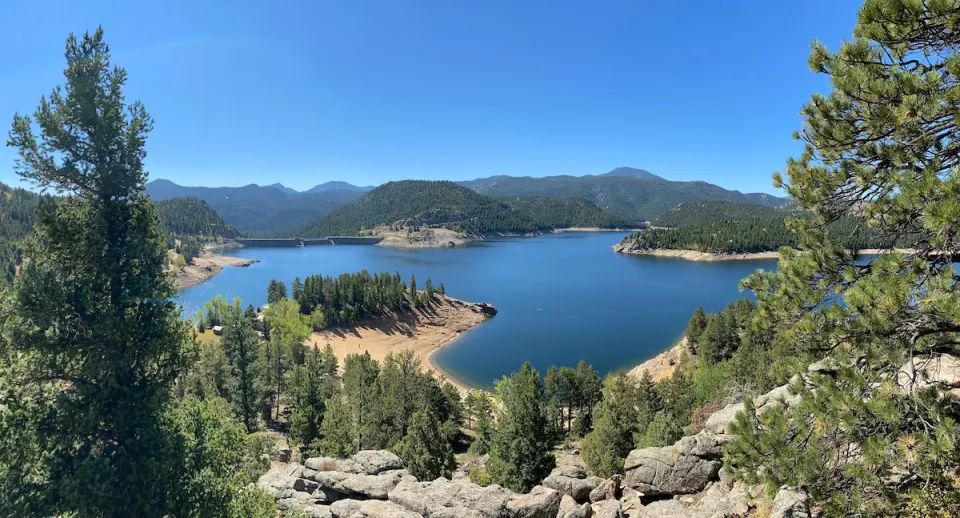
Judges permit Denver to divert 77,000 acre feet from the Colorado River for reservoir expansion
Overuse and climate change have caused the Colorado River’s water levels to plummet.
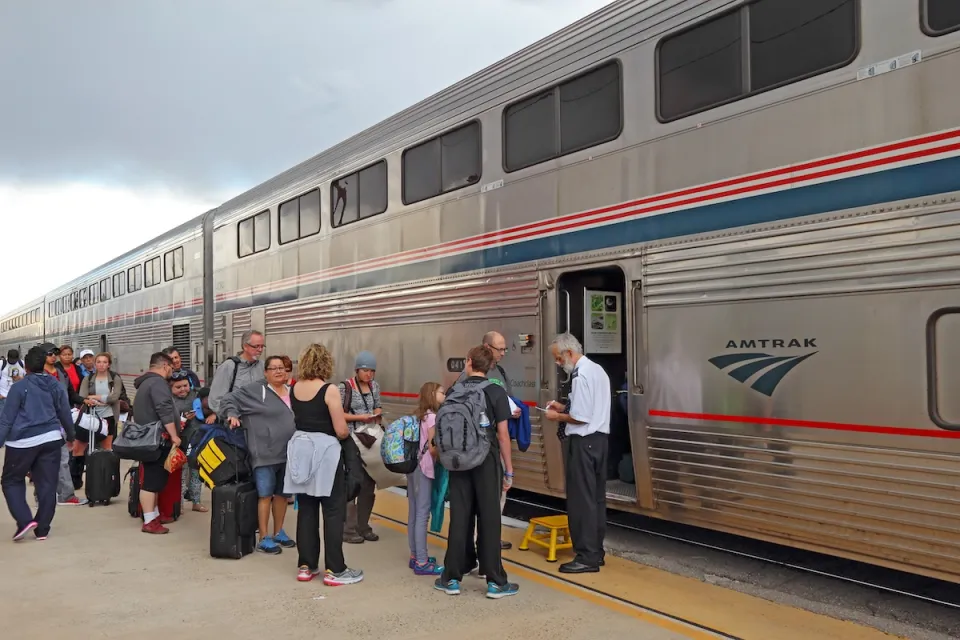
Amtrak, CN end decades-long dispute with eight-year agreement
The new operating agreement establishes an updated framework for the companies to work together, including processes to resolve disputes.
Raised interest rates may kill financially vulnerable construction projects
The chief economist at ConstructConnect warns that if construction project owners are negatively impacted by the raised rates, it could result in delayed payments to contractors.

FREE Course: Walkable City 1: Why Walkability?
After describing his path towards focusing on walkability as the essence of good planning, Jeff Speck marches through his five principal reasons for making more walkable places.
Reinventing Malls: Planning Alchemy—Turning Gray Fields Into Gold
The course focuses on the opportunities and imperatives that shape reinvention of mall sites.

KFH Group Inc.
Greater Baltimore Committee
Eagle County Government
The Architects Foundation
University of Cincinnati Online
The Pocatello Development Authority
The Urban Renewal Agency of the City of Pocatello