Social / Demographics
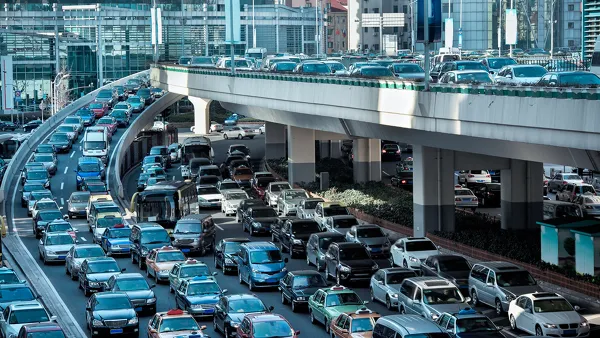
Which Cities Get to Work Early (or Late)?
According to new analysis by Nate Silver, New York City might be more aptly described as the city that sleeps in.
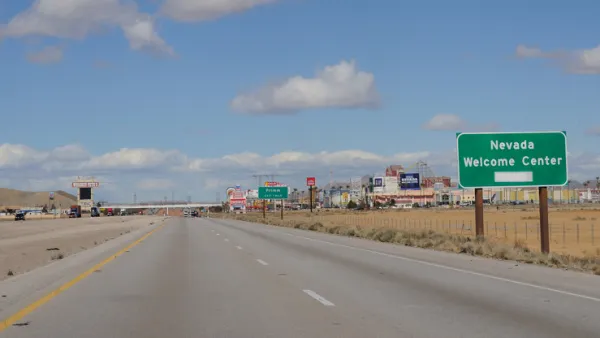
Two Kinds of Migration Drive Urban Growth
A new post by Richard Florida distinguished between the two different types of migration—domestic and international—driving the influx of residents in urban centers around the country.
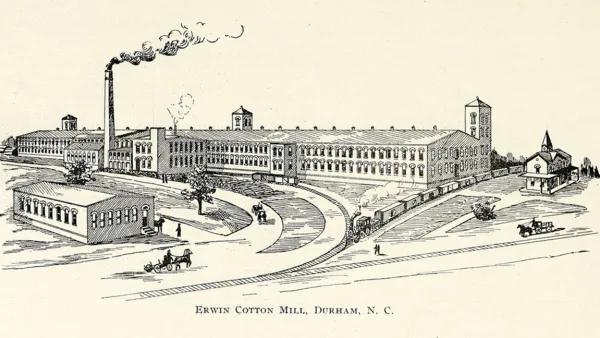
Finding Authenticity
The coveted creative class is in search of neighborhoods and communities with lots of character. Why are such places so hard to find? Maybe it is because we are trying too hard.
The Urban Reordering: Can the United States Make it Stick?
The trend toward the urban has been documented from every possible angle, but a recent op-ed wonders whether it will be possible for the federal government to make a course correction that ceases the endless subsidies for the suburbs.
Study Maps the Spatial Patterns of U.S. Environmental Injustice
A new study by researchers from the University of Minnesota presents a sweeping portrait of trends in exposure to nitrogen dioxide across the United States.

Is it a Suburban Exodus Yet?
A new report finds that suburban areas are losing residents to urban areas like New York City and Washington D.C., even well past the point when people would have traditionally made the choice to return to the suburbs.
Is Cleveland Too Negative?
A recent opinion article by Richey Piiparinen of the Center for Population Dynamics at the Levin College of Urban Affairs at Cleveland State University says “Cleveland's negativity is a challenge to the city's future.”
Examining the Surprising Segregation of New York City
The common perception of New York City is as of a well-integrated city, full of multi-ethnic neighborhoods. But a recent article peeks behind the curtain of the city’s surprising boundaries of racial segregation.

Unprecedented Demographic Trends Define the 'Next America'
The Paul Taylor and the Pew Research Center have released a new book called The Next America, which describes a country in the “throes of a demographic overhaul.”
Growth Slowing in Washington D.C.
After a decade of incredible growth, a tightening job market has finally slowed the domestic migration into Washington D.C.

The High Line as Symbol of 'Severe Economic Inequality'
A recent article in Salon cites the High Line as perhaps the most conspicuous example of how municipal governments are subsidizing wealthy corporate or private interests while many citizens continue to suffer low wages and benefits.

(*Updated) Study Finds Fewer Young Adults Moving into Cities than Moving Away
An article on the Metro Trends Blog finds that data do not support the common narrative that young people are moving to cities in huge numbers. Most cities, according to the study, lost more adults aged 20-35 than they gained between 2000 and 2012.
How Do Neighborhoods Become Wealthy?
A new study by the Federal Reserve Bank of Cleveland examines a “troubling consistency” of neighborhoods—that is that over the past 30 years, the poorest neighborhoods have stayed that way.
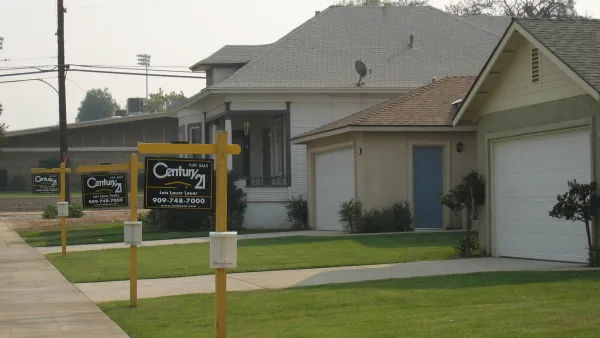
More Thoughts On The Realtors' Survey
In addition to revealing public preferences for single-family homes and walkable communities, a recent survey conducted for the National Association of Realtors contains a variety of other small surprises.
What Does Citi Bike Data Reveal About New York City?
A website called I Quant NY has produced a string of posts examining recent ridership data released by Citi Bike. The visualizations and maps produced by the site make a good case for the value of open data.
My Kid, the Wikipedia Entry
If you want to be profiled in Wikipedia, it is better to be born in an urban place.
Optimism Indicator: Record Number of Building Permits in Philadelphia
Observers of Philadelphia’s economic and social situation can celebrate, and worry, given recent data on issues like poverty, crime, and the job market. One bright spot, however, is 2013's record number of building permits.
Google Bus Opponents Lose CEQA Appeal
Yes—that's right: fervent opponents of Google (et.al) buses tried to use California's environmental law to get them off the streets of San Francisco—which would lead to tech employees driving their own vehicles to Silicon Valley.
New Study Tests Assumptions About Housing Vouchers and Crime
A new paper published in the Urban Studies journal finds a weak, negative relationship between vouchers and violent crime rates. There is no observable relationship between vouchers and violent crime rates in suburban areas.
Proposed Transit Fare Increase Provokes Strong Opposition in Los Angeles
More than 500 “activists, students and low-wage workers” spent their Saturday at a public hearing at the Los Angeles County Metropolitan Transportation Authority imploring the agency’s board not to raise fees.

FREE Course: Walkable City 1: Why Walkability?
After describing his path towards focusing on walkability as the essence of good planning, Jeff Speck marches through his five principal reasons for making more walkable places.
Reinventing Malls: Planning Alchemy—Turning Gray Fields Into Gold
The course focuses on the opportunities and imperatives that shape reinvention of mall sites.

City of Charlotte
City of Rosemead
Rutgers University, Edward J. Bloustein School of Planning and Public Policy
University of Michigan School for Environment and Sustainability (SEAS)
Hunter College, City University of New York (CUNY)
The Architects Foundation
University District Partnership









