Social / Demographics
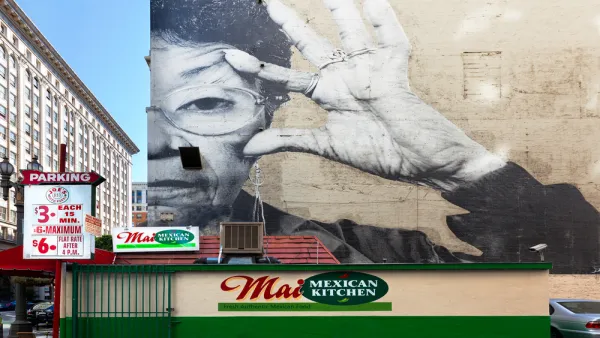
Poets Describe Their Neighborhoods
The city of L.A.'s poets write about their neighborhoods.

New York’s Music Venues Vital to City, Says Report
A study of the musical nightlife of New York shows these spaces are an integral part of the city’s urban landscape.

The Uniquely Racial Dynamics of Gentrification in Atlanta
The Guardian published an in-depth exposé of the causes and effects of gentrification in the city of Atlanta.
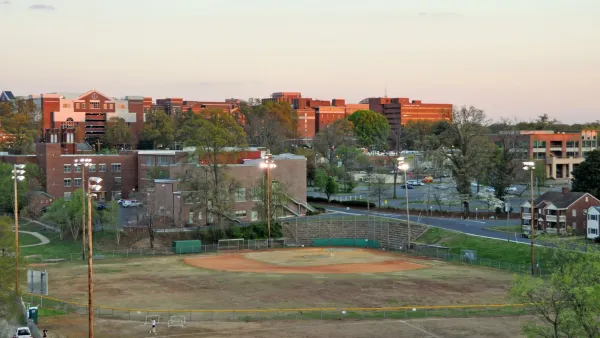
For Many Charlotte Residents, Affordable Housing Still Isn’t Affordable
Over the last decade and a half, the city has put millions of dollars into affordable housing. But the help is not reaching Charlotte’s neediest residents.

Mapped: Racial Demographics, Down to the Census Block
An interactive map created by National Geographic creates a detailed look at the racial makeup of the United States.
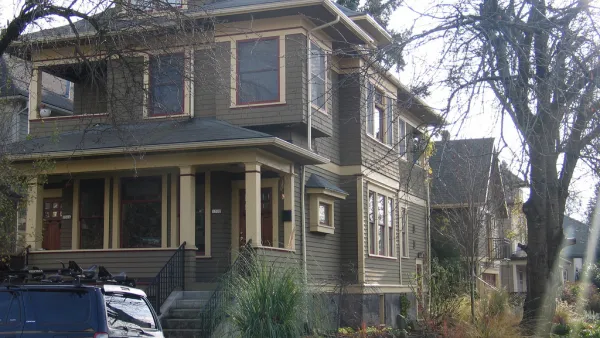
ADUs Benefit Wealthy White Homeowners, Study Finds
Cities like Austin, Denver, Los Angeles, Portland, and now Seattle are pursuing equity-based agendas for ADUs.
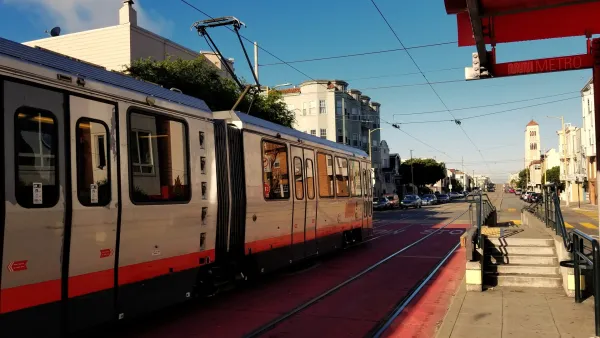
San Francisco's T Line Never Delivered on Promises
The light rail line was supposed to improve transit to less accessible parts of the city, but service so far has been disappointing.

Report: Cleveland and Akron Showing Strength in the Heartland
While much of the news focuses on declining population and vacant homes, Cleveland and Akron have quietly outperformed many other cities on quality of life.
Twin Cities Metro Area Stands to Gain by Addressing Racial Disparities
While the Twin Cities area continues to rank highly among U.S. metro areas for impressive employment and homeownership rates and low poverty rate, it also has the nation’s largest disparities.
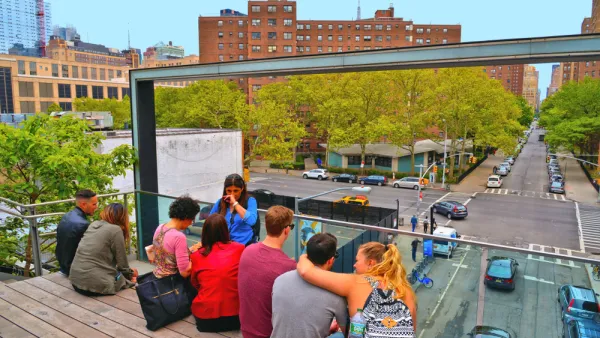
The View from Hudson Street—With Thoughts on Science and Orthodoxy
Anecdotal evidence isn't enough to make claims about the connection between density and crime, but the planning orthodoxy does so anyway.
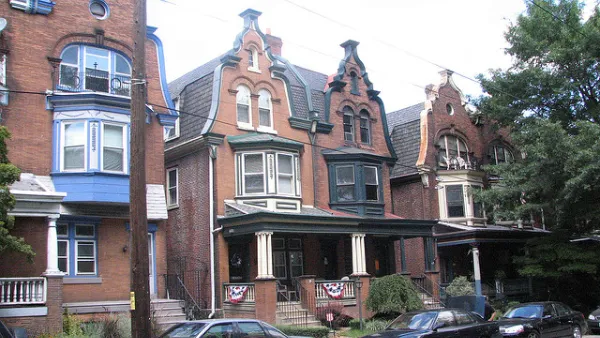
Philadelphia Aims to Create or Preserve 100,000 Units of Housing
The city of Philadelphia released a document detailing its intentions around housing and related policies. The plan, which has been described as "ambitious," places a focus on equity.
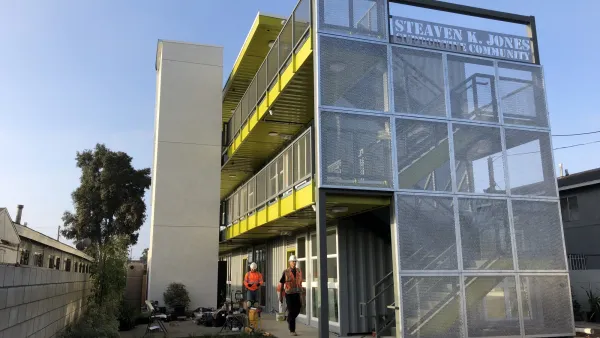
To Reach Goals, L.A. Looks to New Ways to Build Homeless Housing
Los Angeles is grappling with the rising costs of building housing for homeless people. Rethinking the standard process is a way to save time and money.

Bay Area Displacement and Gentrification Trends Have Regional Consequences
Displacement in the San Francisco Bay Area has resulted in distinct mobility patterns and significant race and class inequalities.
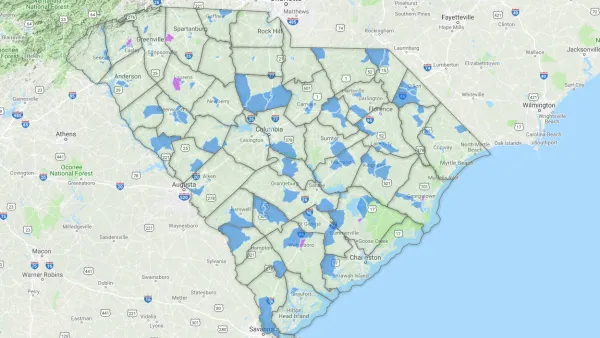
District By District, Maps Trace Neighborhood Opportunity Across the U.S.
Down to the level of individual census tracts, a team of researchers has developed national maps showing where upward mobility is probable, and where it isn't.
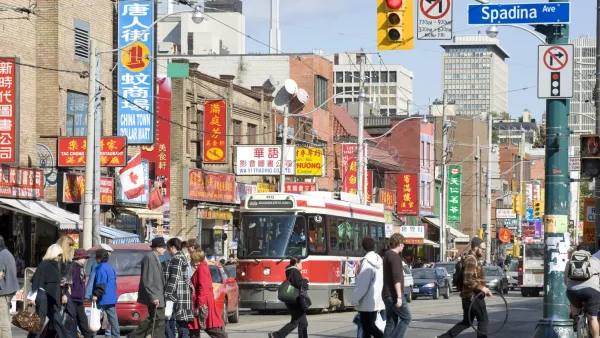
New Research Shows Toronto Highly Segregated Along Race and Class Lines
A closer look at the numbers reveals stark divides among Toronto neighborhoods.

California Energy Efficiency Program Could Be Much More Effective for Low-Income Residents
According to an analysis by the Energy Efficiency for All coalition, California's Energy Savings Assistance Program could be four times as effective for low-income renters if it were better deployed.
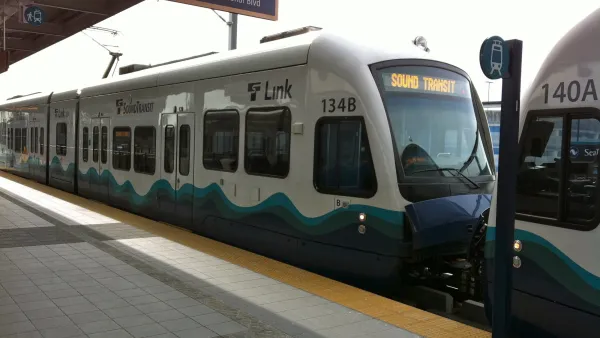
Transit Ridership Rises in Seattle, With Income Differences Among Riders
Transit ridership is up in Seattle, and higher income riders are more likely to use it.
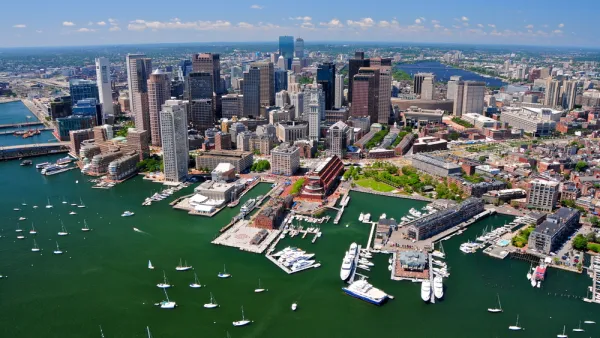
Boston to Consider Workforce and Investor Diversity in Real Estate Decisions
Beginning this week, the city of Boston will ask developers how they plan to include women and minorities as workers and investors when putting city-owned real estate out for bid.
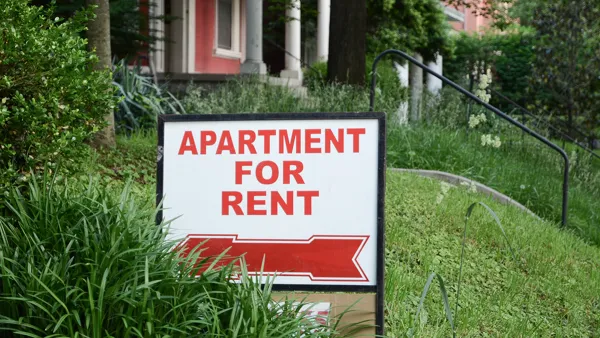
Is Residual Income a Better Metric for Housing Affordability?
The common metric for measuring housing affordability—whether households pay more than 30 percent of their income on shelter—has its downsides. Looking at residual income offers more precision in some respects.
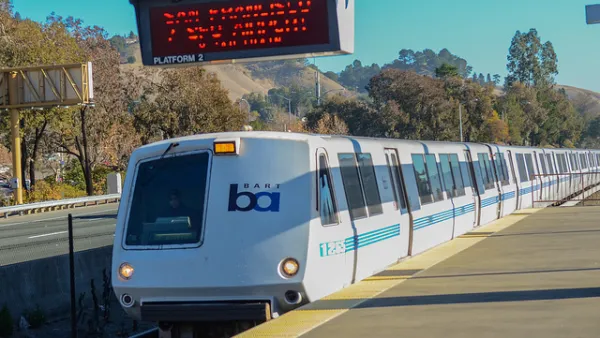
City's Opposition to BART TOD Bill Factors into City Manager's Retirement
Steven Falk, city manager for 22 years of the East Bay enclave of Lafayette, expressed frustration with the city's resistance to infill development, calling it incompatible with addressing "the most significant challenges of our time."

FREE Course: Walkable City 1: Why Walkability?
After describing his path towards focusing on walkability as the essence of good planning, Jeff Speck marches through his five principal reasons for making more walkable places.
Reinventing Malls: Planning Alchemy—Turning Gray Fields Into Gold
The course focuses on the opportunities and imperatives that shape reinvention of mall sites.

City of Charlotte
City of Rosemead
Rutgers University, Edward J. Bloustein School of Planning and Public Policy
University of Michigan School for Environment and Sustainability (SEAS)
Hunter College, City University of New York (CUNY)
The Architects Foundation
University District Partnership









