Social / Demographics
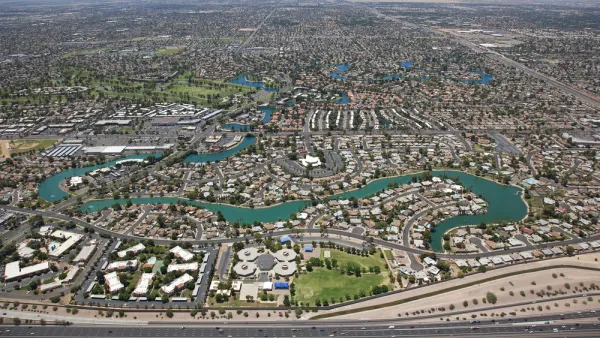
According to the Federal Government, the Suburbs Don't Exist
The federal government has no official definition of suburban, even though a majority of Americans say they live in suburban communities.
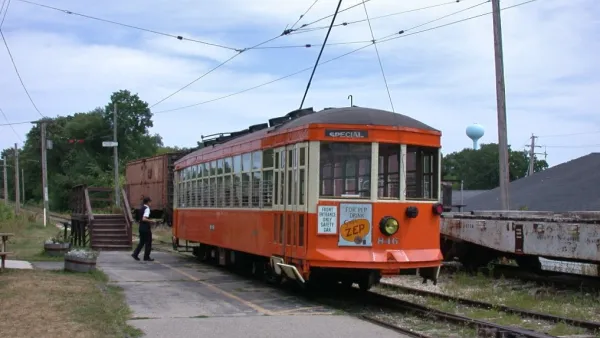
Wisconsin Study Unpacks Transit Inequities
A new study finds that Wisconsin spends big on highways and urban transportation while rural areas face gaps in service.

More Seniors Living in Suburban and Rural Areas; Aging-in-Place Solutions Needed
Less dense communities provide specific challenges in providing services to residents in need of extra care. More seniors living in suburban and rural communities will require new and scalable solutions.
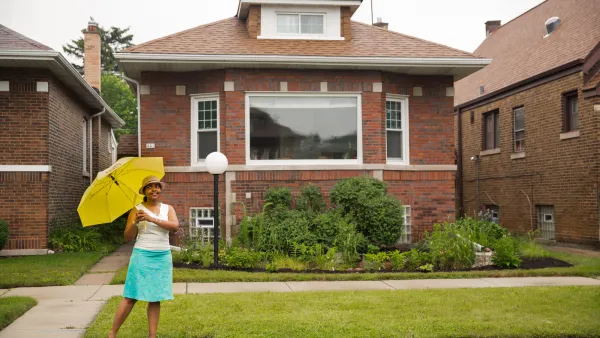
White People Don't Recognize Black Middle Class Neighborhoods
According to a series of studies, white people have a blindness for seeing the black middle class in neighborhoods—even if they don't display other forms of racial animus.
Opinion: To Overcome Segregation in Dallas, Look to the Past
A frank assessment of past policy wrongdoings is necessary to overcome inequality in the city.
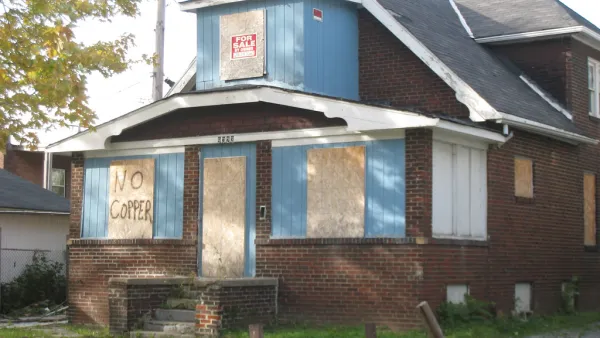
Map Divvying Up Cleveland Resembles Redlining Maps of the Past
Cleveland neighborhoods were coded to help real estate investors, but the result is a map that harks back to old discriminatory housing practices, say critics.
48 Global Cities Work on Regulatory Framework for Digital Platforms
During the Sharing Cities Summit 2018, cities such as Amsterdam, Barcelona, Lisbon, Madrid, Montreal, New York, Paris, São Paulo, Seoul, Singapore, Stockholm, and Vienna agreed on a Declaration of Principles and Commitments of the Sharing Cities.
Cities Positioning for an Expanding Venture Capital Market
Cities outside of the big coastal tech hubs have characteristics well suited for the high-tech sector.
Smart Cities World Congress Opens its Biggest Event
Organized by Fira de Barcelona at its Gran Via venue, the event is the largest to date, with over 840 exhibiting companies, 700 attending cities and a 31% increase regarding exhibition space, occupying two pavilions for the first time.
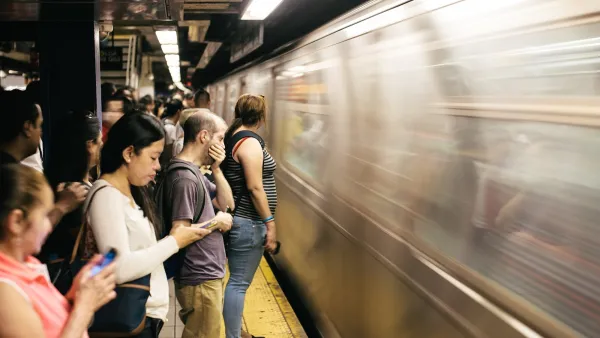
Transportation’s 'Pink Tax' Is a Cost Burden on Women
When women don’t feel safe using transit, they use other modes and end up paying the price.

Study Finds Fewer Young People Want Cars
Driving is often marketed as fun and liberating, but millennials aren’t buying it.
Tools for Addressing the Suburbanization of Poverty
Suburban poverty is reading, here are a few ways to understand what that means.

Rural Communities Connected Through Grassroots Mobility Services
California residents throughout the Central Valley struggle with inadequate transportation. Shuttle and ride-share programs are filling in the gaps.
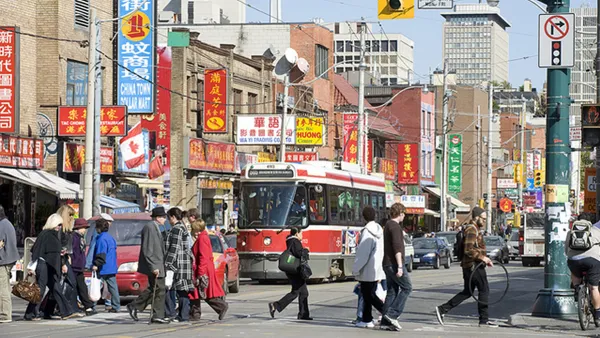
Survey Finds High Levels of 'Social Capital' in Toronto
The first comprehensive look at social capital in a Canadian city reveals lessons for planners and more about what connects citizens to their communities.
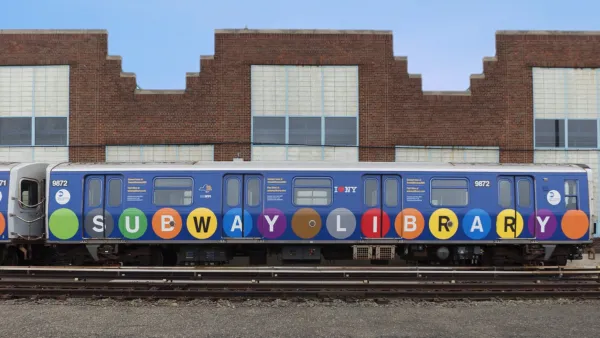
The Mysteries Of 'Social Infrastructure'
In his new book Palaces for the People, sociologist Eric Klinenberg explores the places—from libraries and schools to cafes and churches—where cities' social lives take place. It's a compelling idea but one that Klinenberg discusses clumsily.
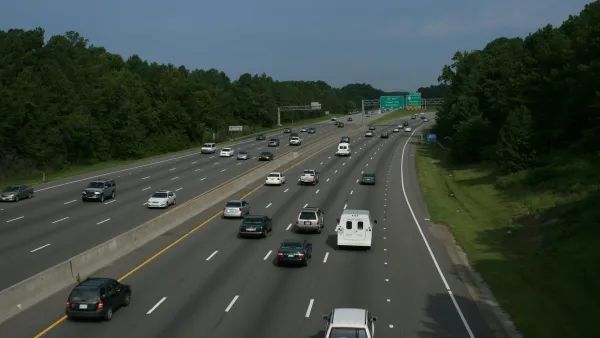
‘Nudging’ Durham Commuters Toward More Sustainable Modes of Travel
Behavioral science is informing the city’s efforts to change the way people commute.
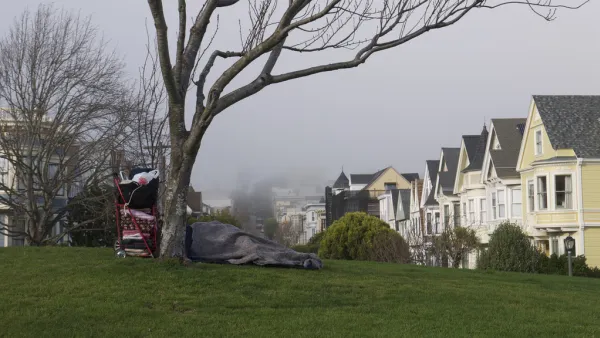
Will More Money Solve San Francisco's Homelessness Problem?
San Francisco voters will decide on Proposition C, a business tax based on gross receipts levied on large employers, the most contentious of five local measures.
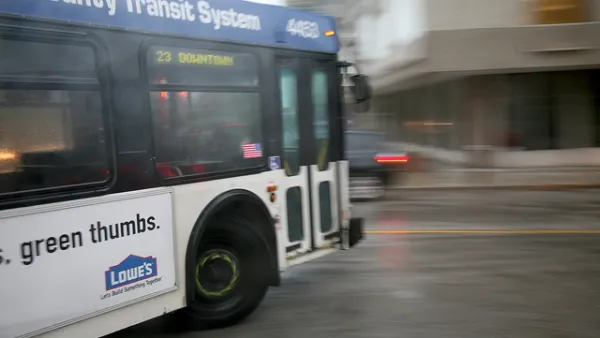
Milwaukee Bus Lines Are Lifeline to Jobs for the City’s Neediest Workers
Funding for two routes is running out soon, but many workers depend on this service to access jobs outside of the city.
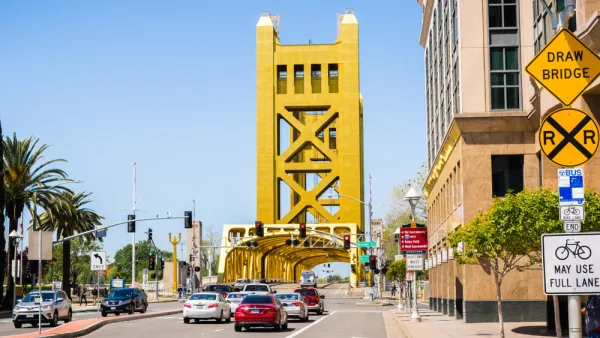
Sacramento Hopes to Lead Transportation Emission Reductions by Example
As California tries to stem its increasing greenhouse gas emissions from the transportation sector, its capital, Sacramento, may prove to be a model for other cities as it embraces electric vehicles and strategies to reduce driving.
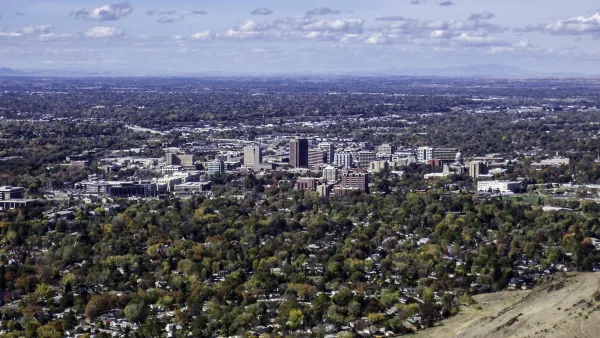
Californians Are Leaving the State for More Affordable, Greener Pastures
Skyrocketing housing costs in California are pushing people out to other parts of the country.

FREE Course: Walkable City 1: Why Walkability?
After describing his path towards focusing on walkability as the essence of good planning, Jeff Speck marches through his five principal reasons for making more walkable places.
Reinventing Malls: Planning Alchemy—Turning Gray Fields Into Gold
The course focuses on the opportunities and imperatives that shape reinvention of mall sites.

City of Charlotte
City of Rosemead
Rutgers University, Edward J. Bloustein School of Planning and Public Policy
University of Michigan School for Environment and Sustainability (SEAS)
Hunter College, City University of New York (CUNY)
The Architects Foundation
University District Partnership









