Why is poverty increasing in the suburbs? It's not as simple as blaming the shifting demographics of the urban core.



"According to a May report from the Pew Research Center [pdf], since 2000, suburban counties have experienced sharper increases in poverty than urban or rural counties," according to an article by Scott W. Allard.
Allard is the author of the book, Places in Need, and he writes that the new analysis by Pew is consistent with his findings as well research from around the country over the past decade. However, the suburbanization of poverty predates the Great Recession.
The suburbanization of poverty is one of the most important demographic trends of the last 50 years. Poverty rates across the suburban landscape have increased by 50 percent since 1990. The number of suburban residents living in high poverty areas has almost tripled in that time.
As for the causes of the trend, Allard says the growing poverty rights in the suburbs have most to with changes in labor markets: "Good-paying jobs that don’t require advanced training have started to disappear in suburbs, just as they did in central cities more than a quarter century ago."
Allard concludes with a few policy recommendations.
Read the full story: Why poverty is rising faster in suburbs than in cities


New Poverty and Income Data Reveals a Tale of Two Types of Cities
While the country overall made progress, larger cities are making stronger gains against poverty.
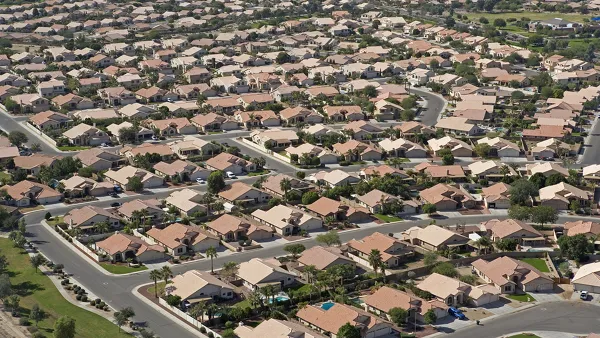
On Poverty's New Suburban Look
Author Scott Allard debunks lingering myths about how people experience poverty in cities. Poverty's suburbanization, he argues, has more to do with the loss of jobs than migration from "inner cities."
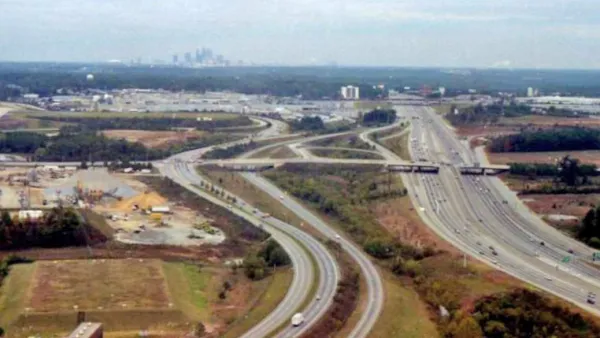
Suburban Poverty Rising in Atlanta
Driven by economic and demographic trends, poverty in "outer ring" suburbs is on the rise. Since 2000, Atlanta's suburbs have seen the highest rate of change in poverty of any comparable metro region.

Planetizen Federal Action Tracker
A weekly monitor of how Trump’s orders and actions are impacting planners and planning in America.

Northwest rail fans eager for Sept. 30 debut of Amtrak’s Airo fleet
Get ready for that new train smell and more seats. But they won’t go faster or run more frequently on the Cascades route in Washington and Oregon.
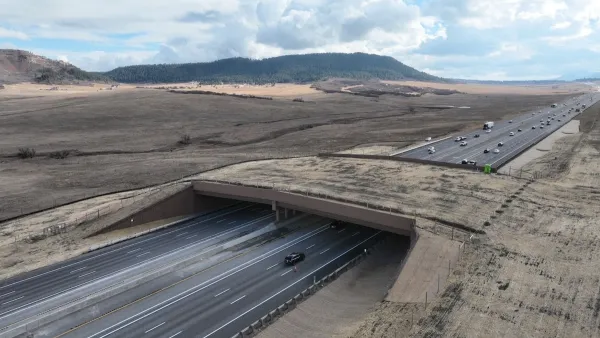
Record-breaking wildlife overpass in Colorado brings 91% reduction in animal collisions
Prior to the overpass, vehicles were hitting one deer per day on Colorado’s Interstate 25.

Detroit to transform waterfront with $2.2 billion investment
Developers will convert about 18 acres of unused parking lot space into civic spaces.

‘Going backwards:’ Baltimore mayor, students rally against state's transit funding plan
Maryland's proposed six-year plan provides no funding for Baltimore’s BMORE bus program and reduces its road maintenance funding.

Trump wants to cancel nearly 98% of funding for HUD housing support program
Multiple housing groups are suing the administration in an effort to preserve the funding.

FREE Course: Walkable City 1: Why Walkability?
After describing his path towards focusing on walkability as the essence of good planning, Jeff Speck marches through his five principal reasons for making more walkable places.
Reinventing Malls: Planning Alchemy—Turning Gray Fields Into Gold
The course focuses on the opportunities and imperatives that shape reinvention of mall sites.

City of Thousand Oaks
City of Wisconsin Rapids
Harvard University Graduate School of Design
The Architects Foundation
University of Cincinnati Online
Northern Illinois Transit Authority (NITA)
The Pocatello Development Authority
The Urban Renewal Agency of the City of Pocatello