Social / Demographics
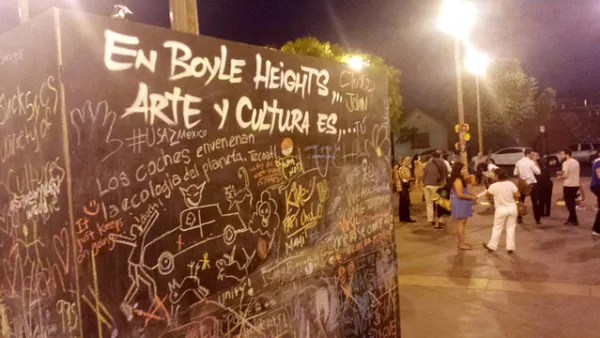
Why L.A.'s Boyle Heights Matters to Anti-Gentrification Activists
The historically Latino working class neighborhood is a frequent touchstone in debates over gentrification in Los Angeles. That history goes back decades and colors residents' perceptions.
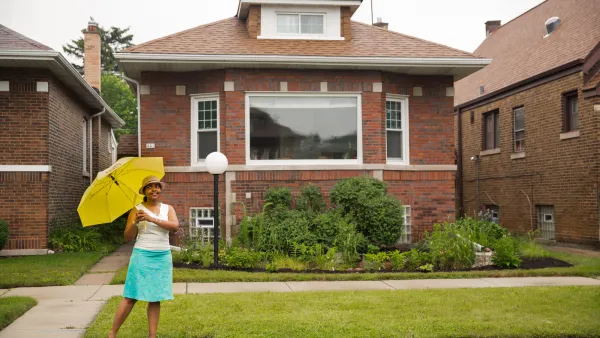
How to Shrink the Racial Homeownership Gap
Following reports that Black Americans owned homes in 2017 than in 1983, banker Teri Williams offers recommendations to diversify homeownership across the United States.

A Third Court Win for Children's Climate Change Lawsuit
Strike three for the federal government in trying to dismiss a lawsuit launched by 21 children in Oregon who sued the Obama administration in 2015, claiming the government was endangering their future because of its failure to reduce climate change.
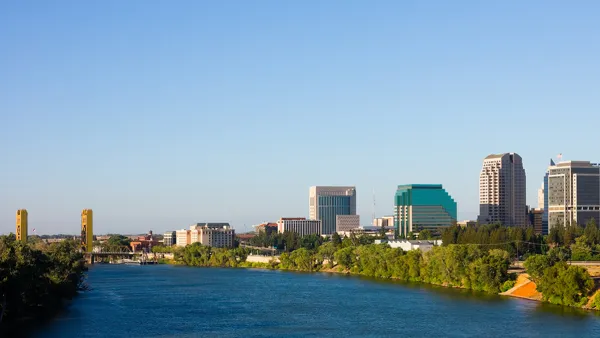
The Greening of California's Republicans?
One finding from a new statewide survey, "Californians and the Environment," suggests that the environment is becoming a more bipartisan issue, but that finding is still subject to interpretation. What isn't is the top environmental issue: water.
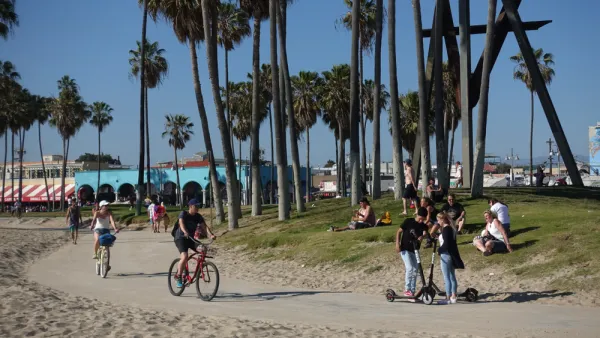
Study: Scooters Are Really Popular
The narrative of electric scooter users as affluent, entitled, and "tech bro-y" does not reflect the demographics of fans of the new mobility technology, according to a new study. Electric scooters are actually very popular.

Evidence of Race's Role in Land Use Decisions
Analysis of a city's zoning and land use decisions over seven decades reveals the role race plays in decision making.

Op-Ed: Pay Equity in Architecture Is Just a Math Problem
Unlike other measures of value, writes Jeanne Gang, pay is a number. And that should make it easy for architecture firms to address any existing wage gaps.
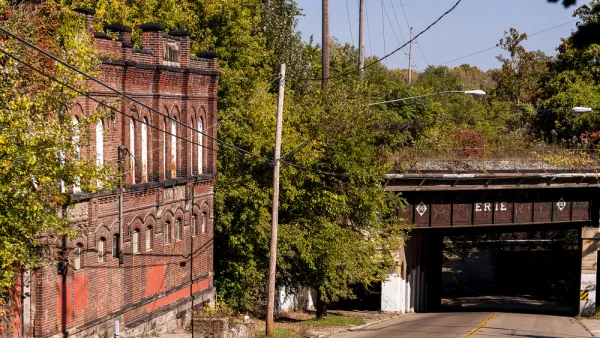
Optimism and Investment, Not 'Managed Decline," for the Rust Belt
Managed decline assumes that struggling cities will continue to struggle indefinitely. Is there a better way to plot neighborhood stabilization?
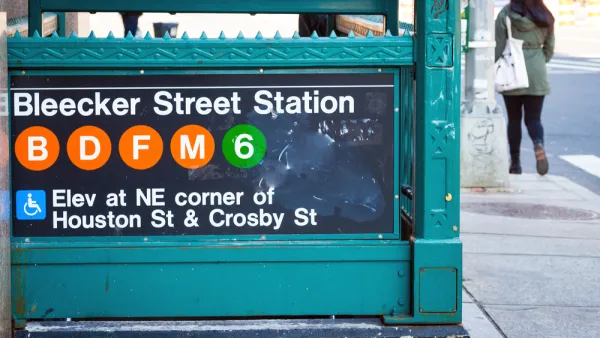
6 Rules for a More Equitable Transit System
Transit can advance social equity and provide access to opportunity—but only if agencies work for inclusive planning and resource allocation.
Debt and Rent Burden Keeping Millennials From Homeownership
Research from the Urban Institute finds that economic hurdles, not just lifestyle preferences, are stopping millennials from buying homes.
Sometime This Summer, California's Population Tops 40 Million
Rather than projecting when the 50 million milestone will be reached, demographic and political indicators predict the state's population is more likely to decline, according to Joe Mathews of Zócalo Public Square.
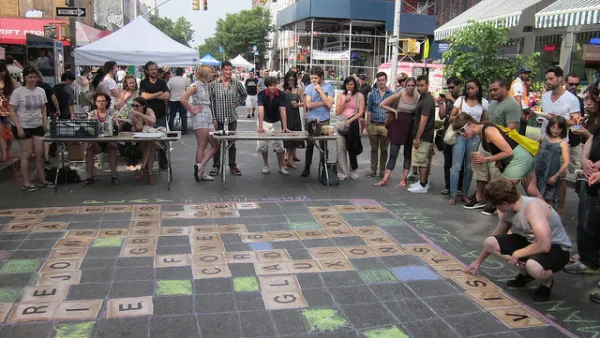
Debating the Qualities of a Changing New York
Is the gritty, diverse New York of yesteryear dying, vanishing, or otherwise ceasing to exist? Depends on who you ask and where you look.
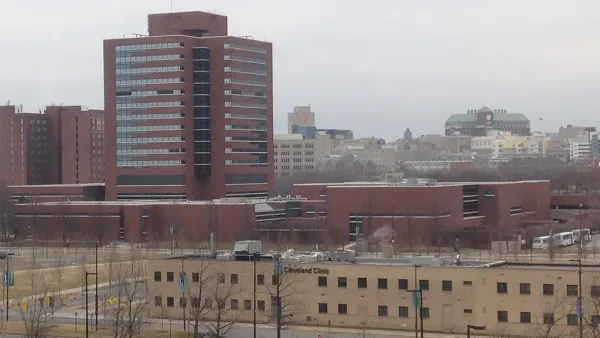
How Urban Investment Patterns Fuel Healthcare Inequities
Inequities in healthcare are linked to inequities in urban planning, a public health researcher argues.
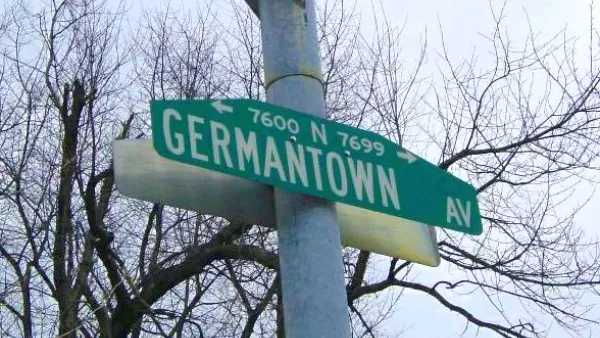
Gentler Gentrification in Philly's Germantown
Germantown has acquired many more wealthy residents without displacing many of its long-term residents or losing its diversity.
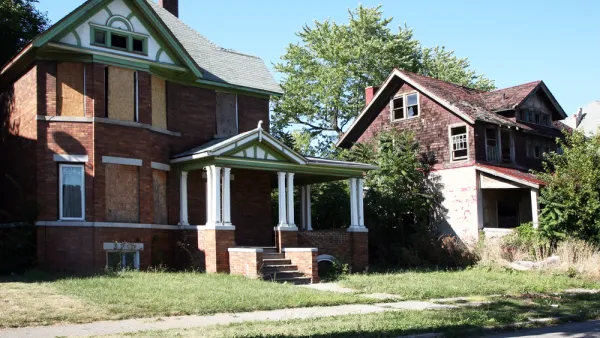
Growing in the Gaps
In post-bankruptcy Detroit, planner Maurice Cox and his interdisciplinary team are making vacancy an asset, revitalizing through preservation, and listening to residents who know the city the best.
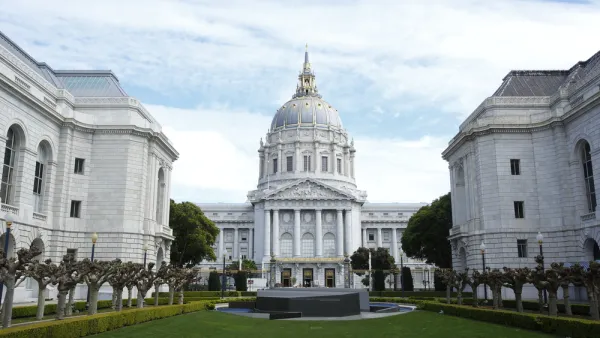
San Francisco Voters to Decide on Employer Tax to House the Homeless
It started in Seattle with the Amazon Tax to pay for transportation and housing needs exacerbated by the city's largest employers. Last month, a Google Tax was placed on the November ballot in Silicon Valley. A landlord tax in Oakland could be next.
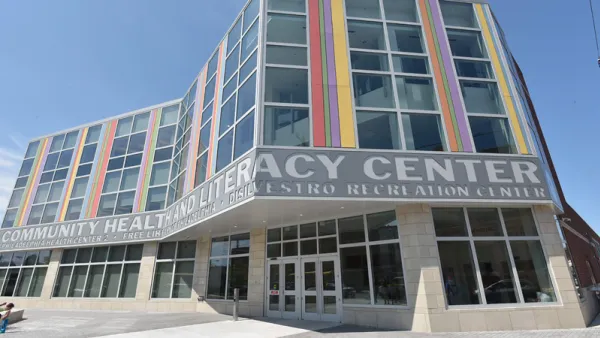
A Map of Resources for Low-Income Philadelphians
The Broke in Philly initiative has created a map aimed at making it easier to access support and services for low-income residents of Philadelphia.

New Report Contradicts the U.N.: More Like 84 Percent of the World Lives in Urban Areas
"Everything we've heard about global urbanization turns out to be wrong."
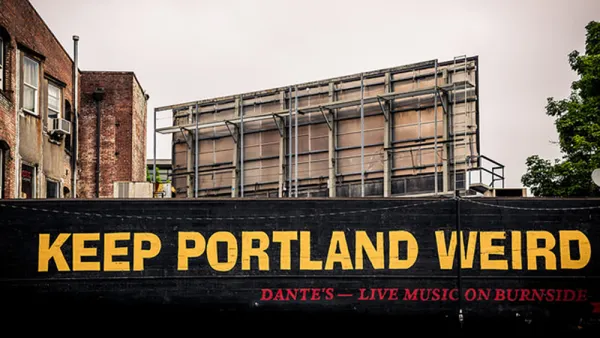
Portland's 'Community-Led Urbanism' Tackles Displacement and Sustainability
A grassroots plan seeks to cultivate a sustainable, affordable center of Black culture in the neighborhood of Albina.
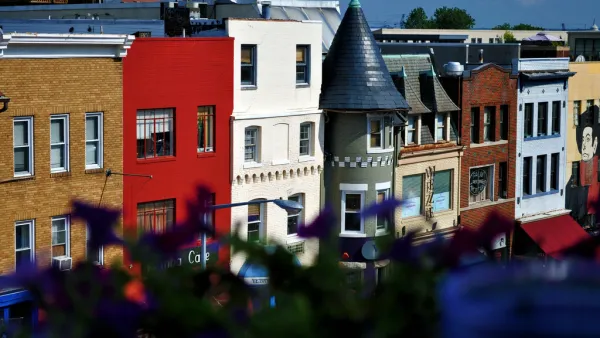
Is Development Causing Gentrification in D.C.'s Adams Morgan Neighborhood?
The picturesque neighborhood of Adams Morgan is becoming whiter and more affluent, but it also hasn't developed much new housing.

FREE Course: Walkable City 1: Why Walkability?
After describing his path towards focusing on walkability as the essence of good planning, Jeff Speck marches through his five principal reasons for making more walkable places.
Reinventing Malls: Planning Alchemy—Turning Gray Fields Into Gold
The course focuses on the opportunities and imperatives that shape reinvention of mall sites.

City of Charlotte
City of Rosemead
Rutgers University, Edward J. Bloustein School of Planning and Public Policy
University of Michigan School for Environment and Sustainability (SEAS)
Hunter College, City University of New York (CUNY)
The Architects Foundation
University District Partnership









