Social / Demographics

Art in Action: USC Event Calls for an Urgent Green Energy Transition
The El Respiro / Respire event at USC uses a large-scale human geochoreography to demand an urgent and equitable transition to green energy, blending art, activism, and community engagement to amplify the message of climate justice.
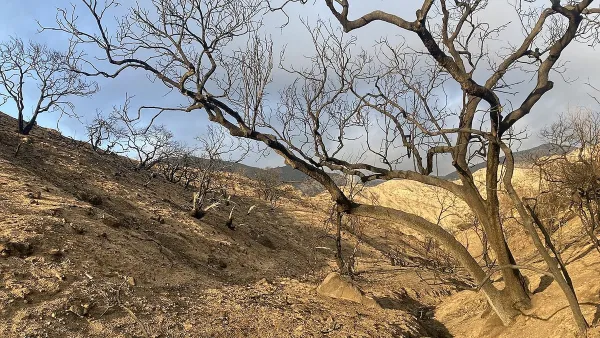
Preserving Altadena’s Trees: A Community Effort to Save a Fire-Damaged Landscape
In the wake of the Eaton Fire, Altadena Green is working to preserve fire-damaged but recoverable trees, advocating for better assessment processes, educating homeowners, and protecting the community’s urban canopy from unnecessary removal.
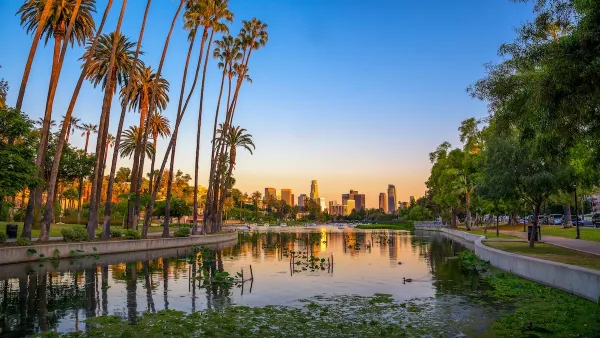
Parks for All: LA Looks to Residents to Help Shape Park Equity and Access
Los Angeles is launching a citywide park needs assessment to gather resident input on improving its park system, addressing inequities in access, and making the case for increased funding and long-term investments.
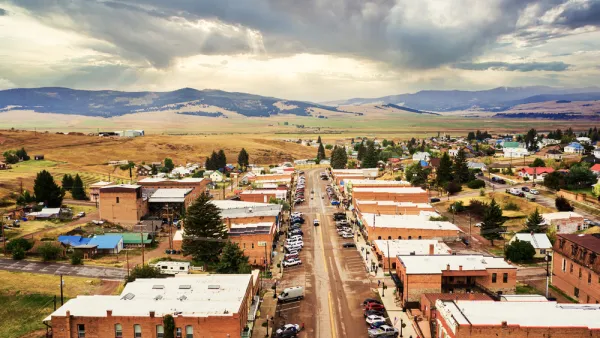
Study: Urban US Residents Have Higher Life Expectancy Than Rural Americans
A combination of economic and social factors leads to higher rates of disease and reduced access to healthcare for many rural residents.
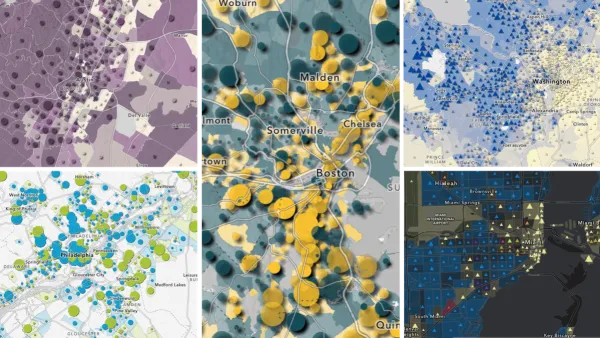
Explore US Demographics With the New ACS Atlas Collection
Esri's new ACS Atlas Collection offers interactive applications that visualize the latest U.S. demographic and socio-economic data, enabling users to explore over 175 curated web maps across various thematic areas.
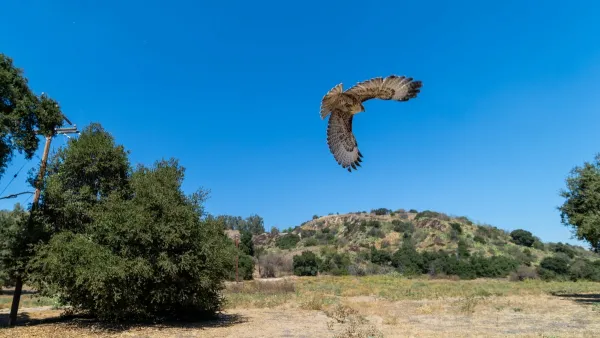
A Greener LA County: 623 Acres of New Parkland for Communities
Los Angeles County is investing $17 million to create 623 acres of new parks and open spaces, expanding access to nature, advancing equity, and enhancing community health and well-being.
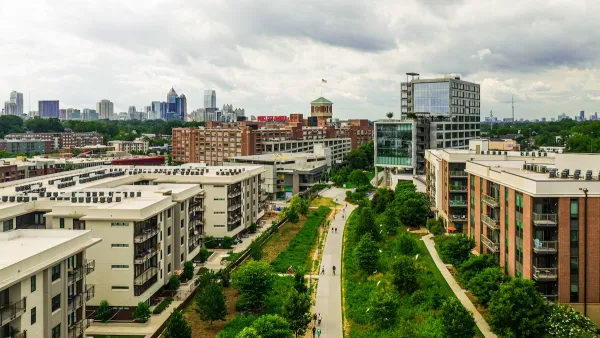
Beltline Surpasses Annual Affordable Housing Goal
The Atlanta Beltline agency is actively working to prevent the displacement of longtime residents along the trail system, where property values are rising rapidly.
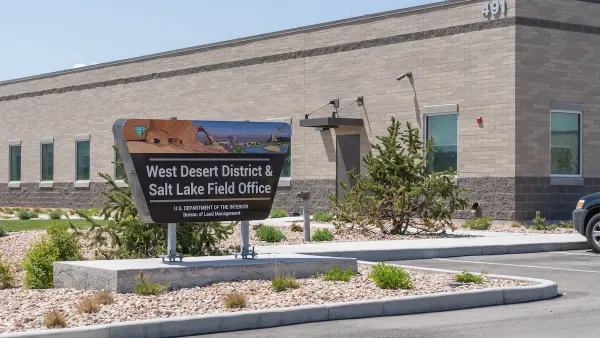
Public Lands Can Help Us Tackle the Housing Crisis in the West
The U.S. owns more than 650 million acres of public lands, and it has the power to sell or lease limited parcels for affordable housing. But mass disposal of public lands, as some legislators have proposed, is not the answer.
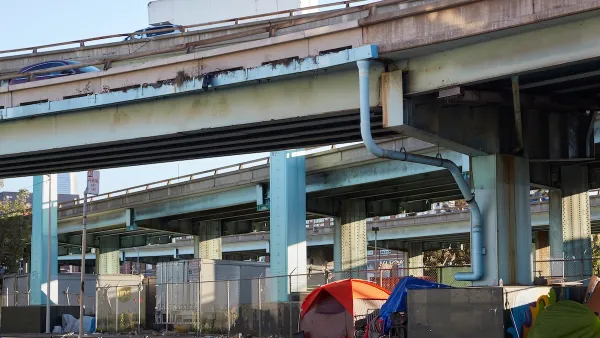
New Book Highlights Human Side of Homelessness Crisis
A San Francisco reporter’s empathetic portrait of unhoused Bay Area residents reminds readers why supportive housing is worth fighting for.
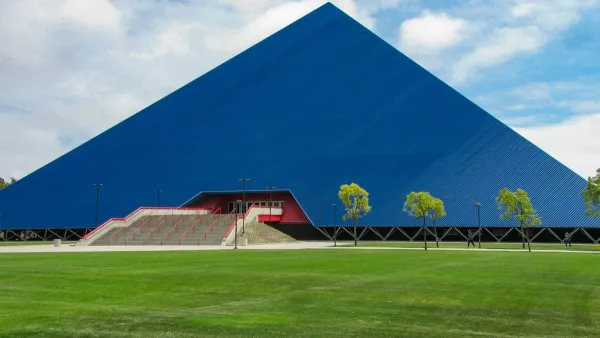
California State University System Leads Nation in Economic Mobility for Students
A new study ranks California State University campuses among the top institutions in California for economic mobility, demonstrating their success in providing affordable education that significantly boosts students’ long-term earnings.
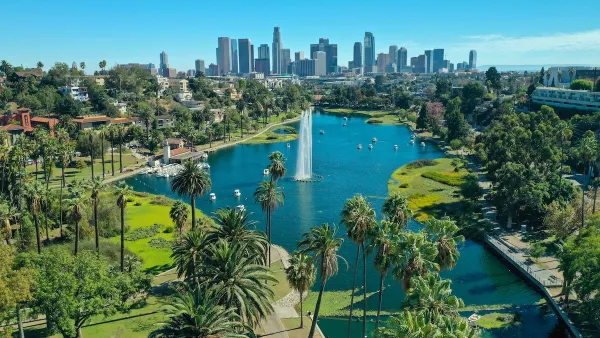
A Sustainable Future for LA: Updating the OurCounty Plan
Los Angeles County is updating its Sustainability Plan to refine its vision for climate action, environmental justice, and community well-being, with residents encouraged to participate by taking the OurCounty 2025 Update Community Survey.
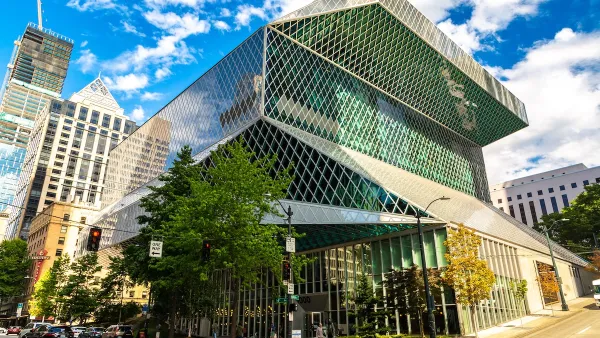
Public Libraries May Be More Relevant Than Ever
Libraries around the country are expanding their services in an effort to become ‘third spaces’ for the community.
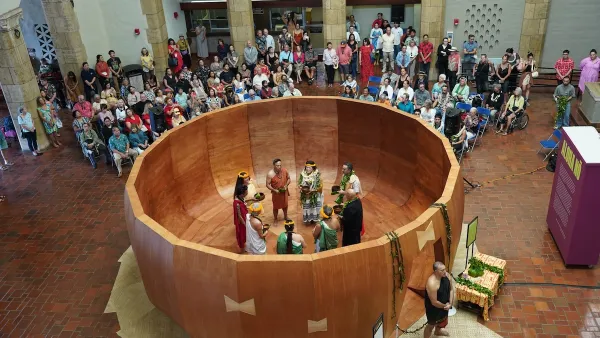
A Monument to Resilience: Native Hawaiian Art Installation Honors History and Healing
The towering ʻUmeke Lāʻau installation by Native Hawaiian artist Meleanna Aluli Meyer, unveiled at Honolulu's city hall, is a powerful symbol of cultural resilience and healing.
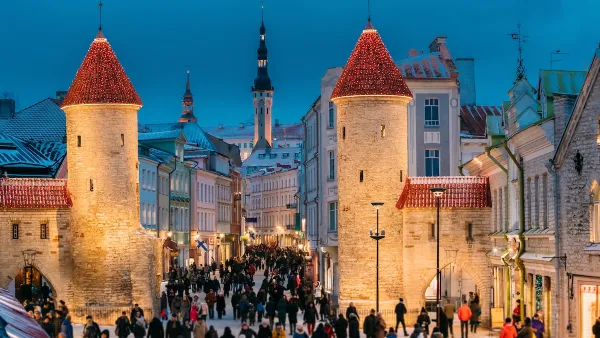
Estonian Capital Launches Noise Reduction Action Plan
European Union cities are required to create ‘noise maps’ and strategic plans for reducing environmental noise.

Planning Communities for Thriving Children
When it comes to children's health and economic success, current trends are dismal. New research identifies how to plan communities where children can thrive. The secret? Compact, mixed-income, multimodal neighborhoods.
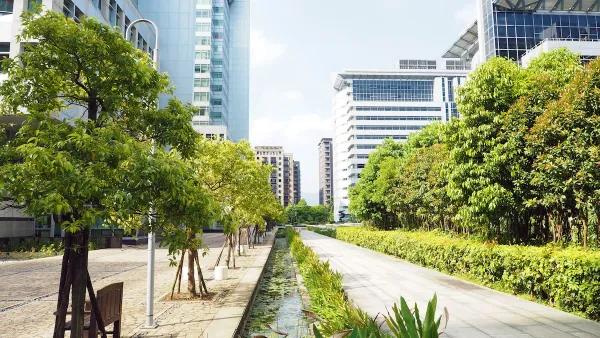
Urban Forestry as a Pathway to Equity and Opportunity
Urban forestry job training programs are creating economic opportunities for underrepresented individuals while addressing workforce shortages and advancing tree equity in communities most impacted by environmental disparities.
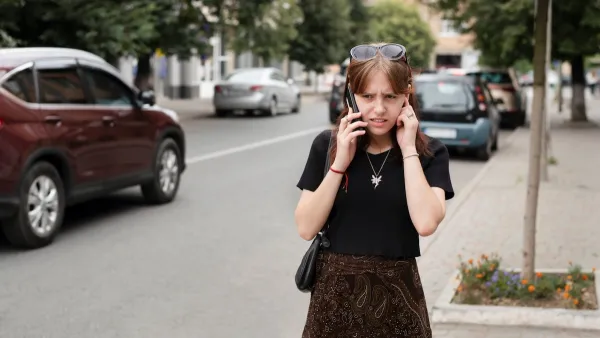
Neurodivergence and the City
Researchers are starting to understand how people with conditions like autism experience cities differently — and how to design for the neurodiverse brain.
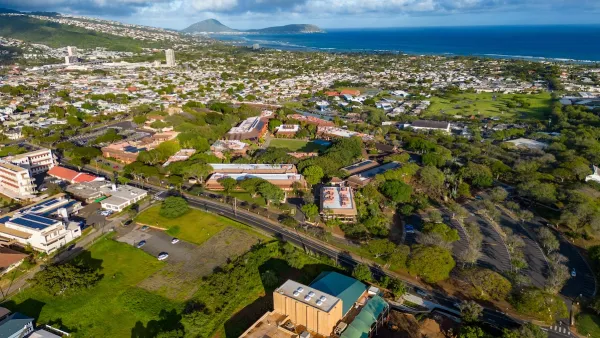
Community Colleges: A Pathway for Native Hawaiian Achievement and Growth
The University of Hawaiʻi Community Colleges provide Native Hawaiian students with transformative educational experiences, integrating academic success, cultural identity, and strong community support to help them find purpose and thrive.
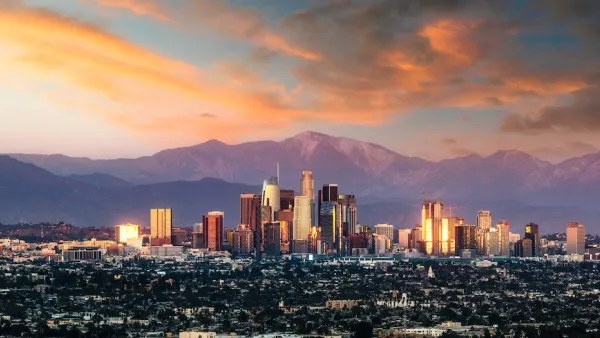
Building Resilient Communities: Insights from the LA County Cities Summit
The Los Angeles County Cities Summit convened local leaders to share strategies for advancing sustainability, addressing climate resilience, extreme heat, and other pressing environmental challenges through policy and community-driven solutions.
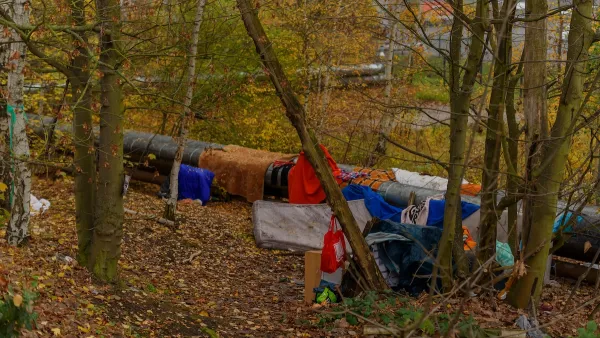
Rural Homelessness Could Be Vastly Underestimated, Study Finds
The annual ‘point in time’ count fails to capture the diverse types of situations experienced by unhoused people in rural communities.

FREE Course: Walkable City 1: Why Walkability?
After describing his path towards focusing on walkability as the essence of good planning, Jeff Speck marches through his five principal reasons for making more walkable places.
Reinventing Malls: Planning Alchemy—Turning Gray Fields Into Gold
The course focuses on the opportunities and imperatives that shape reinvention of mall sites.

City of Charlotte
City of Rosemead
Rutgers University, Edward J. Bloustein School of Planning and Public Policy
University of Michigan School for Environment and Sustainability (SEAS)
Hunter College, City University of New York (CUNY)
The Architects Foundation
University District Partnership









