The 72-year-old trolley system is beloved by local riders, but difficult to maintain.


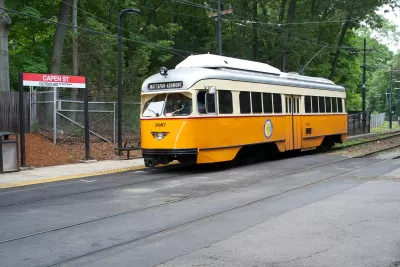
The fate of the historic trolley cars in Boston's Mattapan neighborhood has been at issue for more than a year. It has divided transit advocates, who favor converting the 2.5-mile line to a paved bus route, and preservationists and riders campaigning to protect the unique system.
In the Boston Globe, Adam Vaccaro and Margeaux Sippell explain the pragmatic arguments for both options. The old trolleys are expensive to maintain and at higher risk of crashes than modern systems, but appear to run smoothly and experience fewer delays. Some riders also say the trolley's nostalgic aesthetic makes the trip more enjoyable—not an unimportant consideration as public transportation struggles to attract riders nationwide.
For now, the MBTA has planned $8 million in improvements to the trolleys that will carry the system through the mid-2020s—meaning the system's fate could remain an open question for much longer.
FULL STORY: Future of old-time Mattapan trolleys up for debate

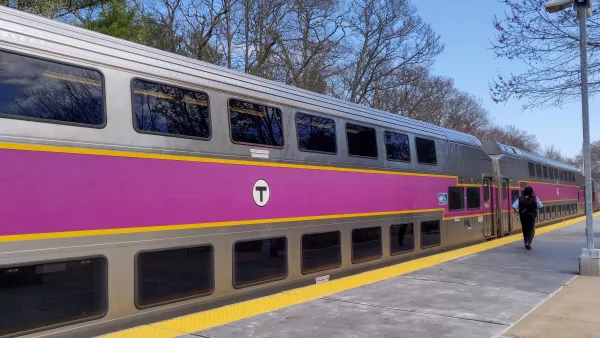
Boston Transit Ridership Grows Steadily
Ridership on the region’s commuter rail reached 80 percent of pre-pandemic levels in March.
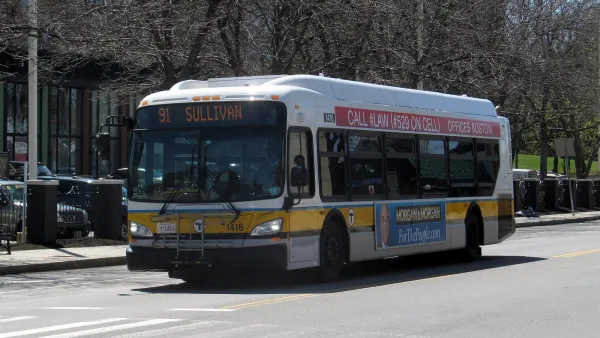
Boston Dedicated Bus Lanes Facing Funding Questions
The bus lanes have improved travel times, but who should cover the costs isn't entirely clear.
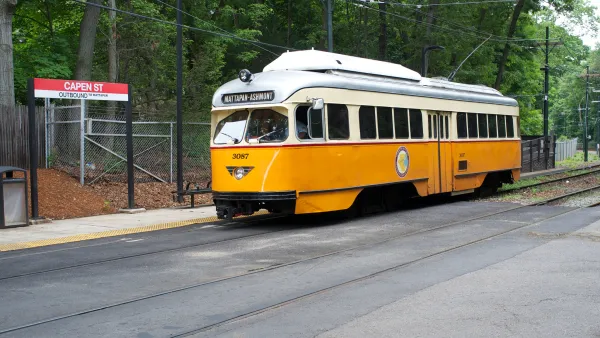
Op-Ed: Save Boston's Mattapan Trolley
The MBTA is considering the future of a unique service: the Mattapan high-speed trolley line. Upkeep costs are high, but replacing the track with buses might be a shortsighted move.

Planetizen Federal Action Tracker
A weekly monitor of how Trump’s orders and actions are impacting planners and planning in America.

The state-sanctioned urbicide of Austin
People don’t kill cities. Freeways do.

US to reduce Colorado River water deliveries to Mexico
A new Colorado Treaty amendment reduces Mexico’s Colorado River water allocation by 250,000 acre feet.

5 New England states march closer to 800 megawatt wind energy project
Securing federal approval for the project may be complicated under the Trump administration, which has historically been hostile towards domestic wind power.

Baltimore to break ground on $50 million Transit Priority Project
The project will bring faster bus trips, safer streets and better bike connections to Baltimore.

Airbnb launches $250 million 'last-dollar financing' housing accelerator, makes first investment in Austin
The company will put $6.4 million towards affordable housing development in Texas’ capital.

FREE Course: Walkable City 1: Why Walkability?
After describing his path towards focusing on walkability as the essence of good planning, Jeff Speck marches through his five principal reasons for making more walkable places.
Reinventing Malls: Planning Alchemy—Turning Gray Fields Into Gold
The course focuses on the opportunities and imperatives that shape reinvention of mall sites.

Eagle County Government
Harvard University Graduate School of Design
Nashville Planning Department
The Architects Foundation
University of Cincinnati Online
The Pocatello Development Authority
The Urban Renewal Agency of the City of Pocatello
Journal of the American Planning Association