The economic recovery has not led to a baby recovery.



Jeff Tucker shares news of new analysis from Zillow that finds a correlation between rising home prices and plummeting fertility rates.
"The economic recovery produced a sharp rise in home prices from 2010 to 2016, and a simultaneous drop in the birth rate," Tucker writes. "Birth rates fell the most in counties where home values grew the most, and birth rates fell less and sometimes even increased in counties with smaller home price increases."
To attach numbers to those findings, "[a]n extra 10 percentage-point rise in home values was associated with an extra 1.5 percentage-point drop in birth rates for 25- to 29-year-old women."
While those fertility rates are declining, so to are young people waiting longer to buy a home. "[b]etween 2010 and 2013, the average age of a first-time home buyer was 32.5 [pdf], and as homes grew more expensive, that average age rose to 35.2 by 2017. Meanwhile, the average age of mothers at birth rose from 27.7 in 2010 to 28.7 in 2016."
According to Tucker, the analysis raises concerns that the fertility rate that plummeted during the Great Recession is not recovering along with the economic recovery. Much of the article takes a look at other data that could explain the drop in fertility among Americans.
FULL STORY: Birth Rates Dropped Most in Counties Where Home Values Grew Most

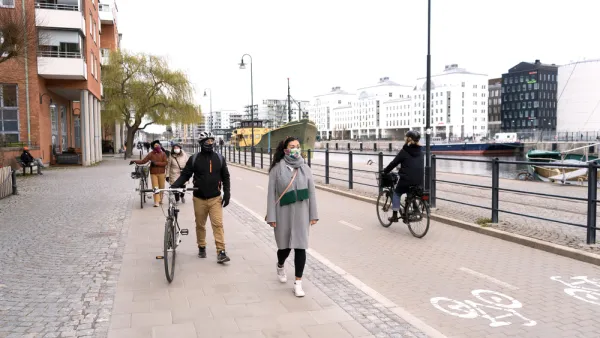
Rent Control Buckling Under Market Pressure, Sweden Increases Development
A housing affordability case study, provided by the unique housing policies in the country of Sweden.
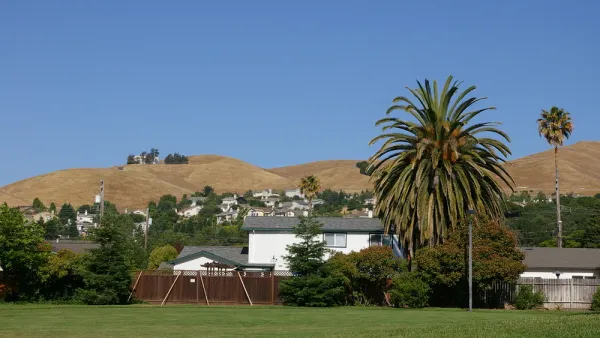
A Call for Action as Construction Slows in California
An editorial by the Los Angeles Times calls for the state to remove barriers to housing shortage after a report finds declining numbers of residential permits around the state.
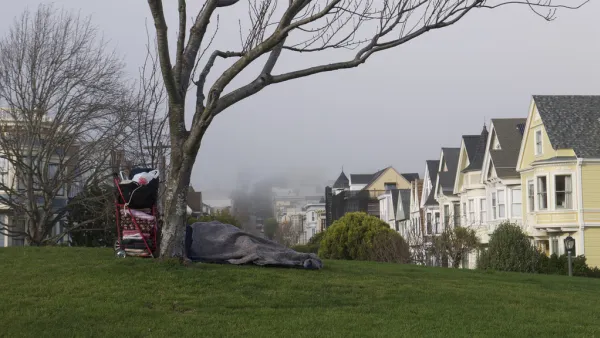
SF Chronicle Editorial Board: Build More Homes to Help the Homeless
And stop changing the subject, adds the Editorial Board of the San Francisco Chronicle.

Planetizen Federal Action Tracker
A weekly monitor of how Trump’s orders and actions are impacting planners and planning in America.

The state-sanctioned urbicide of Austin
People don’t kill cities. Freeways do.

US to reduce Colorado River water deliveries to Mexico
A new Colorado Treaty amendment reduces Mexico’s Colorado River water allocation by 250,000 acre feet.

5 New England states march closer to 800 megawatt wind energy project
Securing federal approval for the project may be complicated under the Trump administration, which has historically been hostile towards domestic wind power.

Baltimore to break ground on $50 million Transit Priority Project
The project will bring faster bus trips, safer streets and better bike connections to Baltimore.

Airbnb launches $250 million 'last-dollar financing' housing accelerator, makes first investment in Austin
The company will put $6.4 million towards affordable housing development in Texas’ capital.

FREE Course: Walkable City 1: Why Walkability?
After describing his path towards focusing on walkability as the essence of good planning, Jeff Speck marches through his five principal reasons for making more walkable places.
Reinventing Malls: Planning Alchemy—Turning Gray Fields Into Gold
The course focuses on the opportunities and imperatives that shape reinvention of mall sites.

Eagle County Government
Harvard University Graduate School of Design
Nashville Planning Department
The Architects Foundation
University of Cincinnati Online
The Pocatello Development Authority
The Urban Renewal Agency of the City of Pocatello
Journal of the American Planning Association