If you're a fan of improved bus service, we have some good news from New York City.


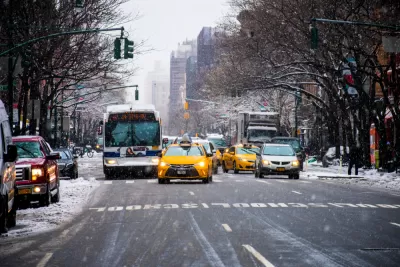
The city of New York has a new "bus action plan," after New York City Transit President Andy Byford and a team at the MTA announced a sweeping new initiative on April 23.
The action plan promises "citywide all-door boarding, more priority for buses on the streets, and a complete reevaluation of the bus network," according to an article by David Meyer.
"The action plan takes many cues from the policy prescriptions advocates first laid out two years ago in their Bus Turnaround Campaign," according to Meyer. "The MTA had been hesitant to commit to those recommendations, but under Byford the tone has changed."
Each of the promised improvements includes a timetable, according to Meyer. "Tap-and-go farecard readers will be on every bus by the end of 2020. A complete review and redesign of the bus network will wrap up by 2021, with targeted improvements beginning this year."
News of the forthcoming report first broke in February, but it's possible that the final product of the action plan exceeds the expectations of many transit advocates. More details of the action plan and discussion of the significance of the news to public transit in New York City is included in the article.
Read the full story: MTA Unveils a Bus Turnaround Plan We Can Believe In

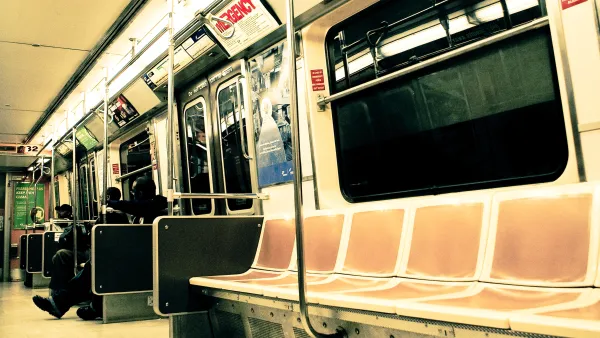
New York MTA to Spend $4 Billion for New Subway Cars
Over 1,600 new subway cars may be ordered, a minimum of 200 with open gangways, by the Metropolitan Transportation Authority. The first 500 will be purchased from the Japanese company, Kawasaki, to be assembled in Yonkers and Lincoln, Nebraska.
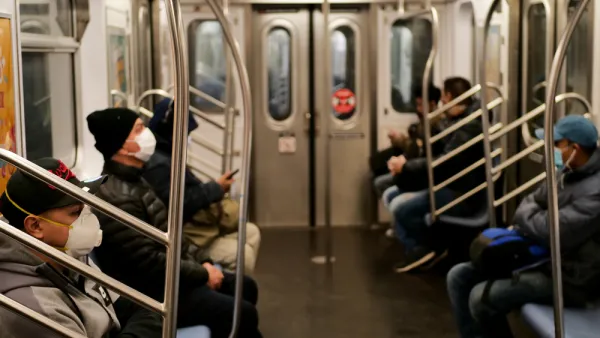
Profiling NYC Transit's New President—Starting the Job Just Days Before a Global Crisis
Sarah Feinberg took over as the interim president of New York City Transit on March 2, 2020. In May 2020, Feinberg rides the subway to a deserted office to begin the work of bringing public transit back from an unprecedented crisis.
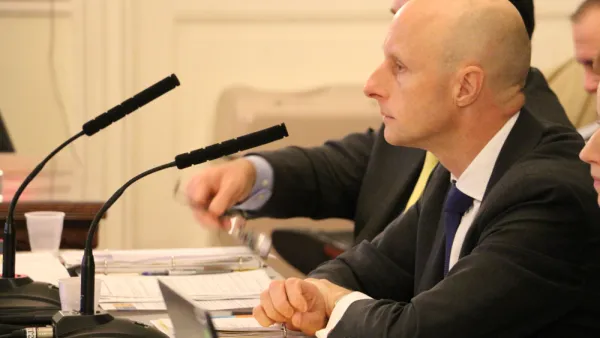
Breaking News: Leadership Change at New York MTA
Andy Byford has resigned as president of the New York City Transit Authority, after building a track record that includes ridership and service improvements on the troubled MTA subway system.

Planetizen Federal Action Tracker
A weekly monitor of how Trump’s orders and actions are impacting planners and planning in America.

California plans to bury El Niño’s downpour
If the state plays its cards right, it may be able to store a billion acre-feet of El Niño’s water in aquifers.

Chicago breaks ground on $3 billion megadevelopment
The new neighborhood, titled Foundry Park, will one day host 3,700 residences.

California High-Speed Rail Authority CEO resigns after $600,000 scandal
Under Ian Choudri, the authority used taxpayer dollars to fund first class flights and trips to nightclubs.

Want to study the Missouri River? Soon, you may need unanimous approval from 10 states
Legislation would require 10 governors’ permission to study or build projects moving water outside the basin.

Desperate measures: Advocates weigh draining Lake Powell to fill Colorado River
Draining the reservoir could reduce evaporation losses by a couple hundred thousand acre-feet.

FREE Course: Walkable City 1: Why Walkability?
After describing his path towards focusing on walkability as the essence of good planning, Jeff Speck marches through his five principal reasons for making more walkable places.
Reinventing Malls: Planning Alchemy—Turning Gray Fields Into Gold
The course focuses on the opportunities and imperatives that shape reinvention of mall sites.

City of Rosemead
Rutgers University, Edward J. Bloustein School of Planning and Public Policy
One Hundred Miles
Hunter College, City University of New York (CUNY)
The Architects Foundation
University of Cincinnati Online
City of Cambridge
Montrose County
The Pocatello Development Authority