As the Department of the Interior auctions off 'vast swaths' of American wilderness to oil and gas companies, fiscal conservatives and conservationists alike wonder if it’s the right thing at the right time.


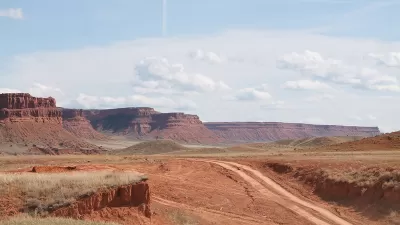
A recent article from the Houston Chronicle, a newspaper that is, of course, based in an oil-and-gas town, bears the headline: "Even some Republicans worry that Trump is selling American wilderness to oil and gas firms."
"Last year," James Osborne writes, "the Department of Interior put almost 12 million acres of federal land on the block, more than double what was auctioned at the peak of the George W. Bush administration."
This has included pieces of land that border Dinosaur National Monument, Canyonlands National Park and Hovenweep National Monument, not to mention that "[j]ust outside Grand Canyon National Park, a ban on uranium mining enacted to keep radioactive pollution from flowing into the Colorado River is under review by Interior for possible reversal."
In addition to those that are concerned about the sale of treasured land (or the sale of treasured ocean in most parts of the country), there are those concerned that low natural gas prices mean this is not the right time to sell. The DOI may have auctioned 12 million acres, but only 800,000 have found interested buyers, most of whom are getting "considerable bargains."
Or, as Osborne writes, "[w]ith bidding interest so low, budget hawks say, auctioning so many leases is neither good business nor good policy, ultimately benefiting private interests while delivering tiny returns to U.S. taxpayers who own the land."
FULL STORY: Even some Republicans worry that Trump is selling American wilderness to oil and gas firms


Under Zinke, Land in Montana Is Still Somehow Protected
Though he’s opened land all over the U.S. to industry, the Interior Secretary is actually pushing to conserve even more of his home state.
Congress Asks that USGS Nominee 'Protect the Scientists'
After recent resignations, there's a new part of the job description: "maintain a sort of firewall between their scientific work and any political agendas."
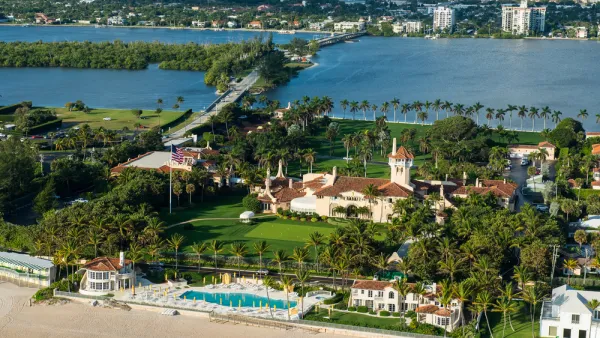
Why Zinke Gave Florida a Break on Drilling
After announcing the coast of almost all states would be open for oil and gas production, the Secretary of the Interior changed his mind on one after meeting with Trump’s favored candidate for Senate.

The state-sanctioned urbicide of Austin
People don’t kill cities. Freeways do.

US to reduce Colorado River water deliveries to Mexico
A new Colorado Treaty amendment reduces Mexico’s Colorado River water allocation by 250,000 acre feet.

New Jersey’s second-largest city bans standalone data centers
Jersey City will continue to allow co-location facilities, such as those meant for research institutions that store their own data.

Amtrak not solely to blame for New Jersey commuter rail's unreliability, report finds
A new study from the Garden State Initiative found that NJ Transit’s budget grew 20% across a 4 year period, but reliability declined significantly over the same period.

EPA erases limits on planet-warming pollution from power plants
Under Monday’s plan, power plants would still have some limits on how much mercury, arsenic and other contaminants they can emit.

Phoenix announces new on-demand transit service, more frequent RAPID buses
Both new services will launch in October, and are part of Phoenix's Project Effective Access Solutions for Easing Congestion.

FREE Course: Walkable City 1: Why Walkability?
After describing his path towards focusing on walkability as the essence of good planning, Jeff Speck marches through his five principal reasons for making more walkable places.
Reinventing Malls: Planning Alchemy—Turning Gray Fields Into Gold
The course focuses on the opportunities and imperatives that shape reinvention of mall sites.

Eagle County Government
Harvard University Graduate School of Design
Nashville Planning Department
The Architects Foundation
University of Cincinnati Online
The Pocatello Development Authority
The Urban Renewal Agency of the City of Pocatello
Journal of the American Planning Association