In top-tier Chinese cities like Shanghai and Beijing, new population caps have spurred the relocation of residents, many of them low-income, to smaller cities and the outskirts.


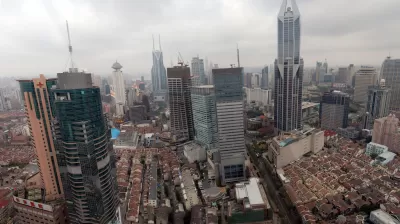
In a set of policies that might be described as forced gentrification, Helen Roxburgh writes, "tier one" Chinese cities like Shanghai and Beijing are demolishing older neighborhoods and relocating residents elsewhere.
On one hand, the relocations have been prompted by what the government calls the ills of overcrowding, pollution among them. "As a result, both Shanghai and Beijing, the Chinese capital, implemented population caps last year, leaving little room for additional growth – Shanghai plans to limit the population to 25 million, Beijing to 23 million."
But the relocations are also part of China's speedy push to develop, for which cities like Shanghai serve as showpieces. "Ongoing efforts to 'beautify' both cities have included rebuilding grittier districts, rounding up street vendors, closing or moving hundreds of markets and bricking up restaurants, bars and shops without licences."
While low-income residents are bearing the brunt of the policy, the government hopes to populate new urban areas, many of them vacant, that have sprung up on the outskirts of cities. "However, there will always be demand for lower-skilled jobs and services, experts say, so efforts to push migrant workers out of the city are instead likely to add new problems."
FULL STORY: China's radical plan to limit the populations of Beijing and Shanghai

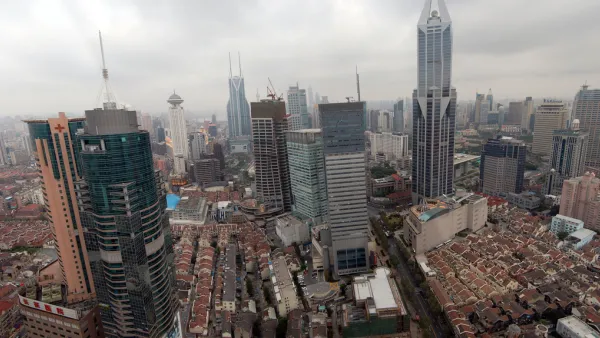
China's Megacities May Soon Rely on Urban Farming
While widespread urban farming remains pipe dream in the United States, dwindling arable land and a mass shift to cities might make it a necessity in China.
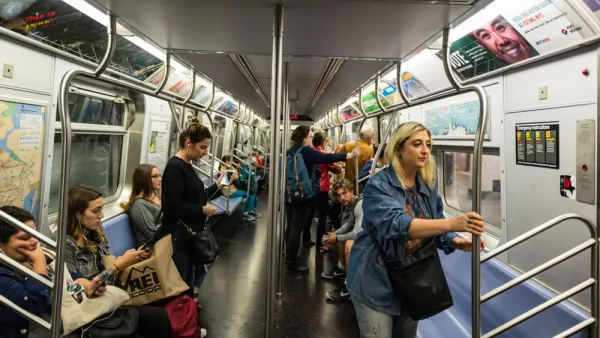
Coronavirus Effects on the Global Transportation System
As the coronavirus continues to move across the globe, its effects on shared transportation modes and freight shipping are becoming more apparent.
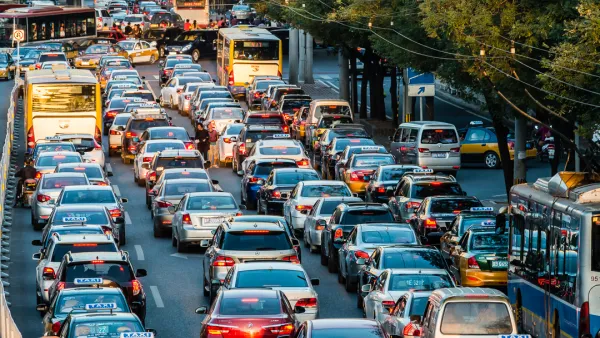
Cities Have Tried to Rein in Cars, and the Results Have Been Mixed
Vehicle pollution is making cities around the world unlivable. Some cities have taken steps to curb auto use and emissions, with varying levels of success.

The state-sanctioned urbicide of Austin
People don’t kill cities. Freeways do.

US to reduce Colorado River water deliveries to Mexico
A new Colorado Treaty amendment reduces Mexico’s Colorado River water allocation by 250,000 acre feet.

New Jersey’s second-largest city bans standalone data centers
Jersey City will continue to allow co-location facilities, such as those meant for research institutions that store their own data.

Amtrak not solely to blame for New Jersey commuter rail's unreliability, report finds
A new study from the Garden State Initiative found that NJ Transit’s budget grew 20% across a 4 year period, but reliability declined significantly over the same period.

EPA erases limits on planet-warming pollution from power plants
Under Monday’s plan, power plants would still have some limits on how much mercury, arsenic and other contaminants they can emit.

Phoenix announces new on-demand transit service, more frequent RAPID buses
Both new services will launch in October, and are part of Phoenix's Project Effective Access Solutions for Easing Congestion.

FREE Course: Walkable City 1: Why Walkability?
After describing his path towards focusing on walkability as the essence of good planning, Jeff Speck marches through his five principal reasons for making more walkable places.
Reinventing Malls: Planning Alchemy—Turning Gray Fields Into Gold
The course focuses on the opportunities and imperatives that shape reinvention of mall sites.

Eagle County Government
Harvard University Graduate School of Design
Nashville Planning Department
The Architects Foundation
University of Cincinnati Online
The Pocatello Development Authority
The Urban Renewal Agency of the City of Pocatello
Journal of the American Planning Association