Dissecting successful disaster response in places like Houston and Mexico City could help California prepare for the inevitable.


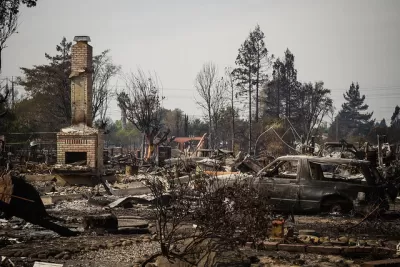
At the VerdeXchange 2018 Conference in Downtown Los Angeles, the chief resilience officers of Mexico City and Los Angeles joined city officials from Houston and San Francisco to share hard-won lessons on disaster recovery and urban resilience.
"There are tensions between the recovery process and what it means to transform the city to a more resilient city," explained Mexico City Chief Resiliency Officer Dr. Arnoldo Kramer. After a disaster like the earthquake that struck the city in September 2017, "there is a high demand for an expedited rebuilding process … However, we want to integrate this rebuilding into a long-term planning and thinking process."
As California gears up for a catastrophic earthquake of its own, San Francisco is working to lay the groundwork for a smooth economic recovery, with plans to minimize displacement and explore new insurance practices for vulnerable assets.
A common theme on the panel was the importance of active communication and collaboration among and within utilities, agencies, and communities year-round. During Hurricane Harvey, "our biggest asset was our people," Houston Public Works operations manager Sidney Bomer said.
"Comprehensive resilience is more than just about structures—it's about community and people," agreed San Francisco CAO Naomi Kelly.
FULL STORY: Lessons Learned From 2017 Disasters in Mexico City, Houston & California


Los Angeles Resiliency Strategy Looks Beyond 'The Big One'
Renewable energy, sea-level rise, and, of course, seismic safety are all part of the plan.
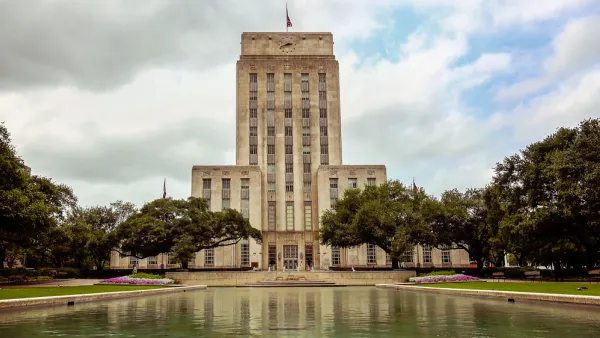
Up and Running: The Speedy Recovery of Houston's City Hall
Following Hurricane Harvey, Houston's City Hall became flooded with four feet of water, rendering the building's electrical and mechanical equipment useless. Restoring power back to City Hall quickly was crucial in aiding the recovery efforts.
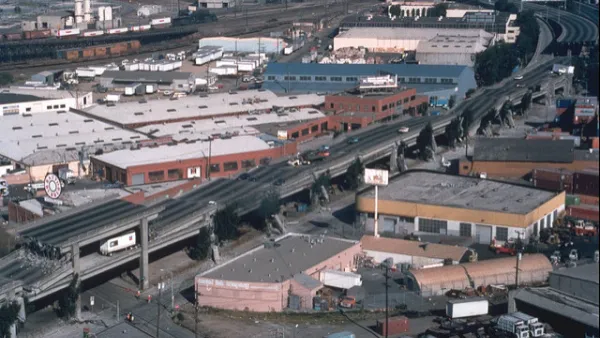
Bay Area Not Prepared for Next Big One
As the death toll from Mexico's 7.1 magnitude earthquake on Sept. 19 climbs above 300, the San Francisco Chronicle investigates how well prepared the Bay Area is for an earthquake of comparable magnitude. Not very well.

The state-sanctioned urbicide of Austin
People don’t kill cities. Freeways do.

US to reduce Colorado River water deliveries to Mexico
A new Colorado Treaty amendment reduces Mexico’s Colorado River water allocation by 250,000 acre feet.

New Jersey’s second-largest city bans standalone data centers
Jersey City will continue to allow co-location facilities, such as those meant for research institutions that store their own data.

Amtrak not solely to blame for New Jersey commuter rail's unreliability, report finds
A new study from the Garden State Initiative found that NJ Transit’s budget grew 20% across a 4 year period, but reliability declined significantly over the same period.

EPA erases limits on planet-warming pollution from power plants
Under Monday’s plan, power plants would still have some limits on how much mercury, arsenic and other contaminants they can emit.

Phoenix announces new on-demand transit service, more frequent RAPID buses
Both new services will launch in October, and are part of Phoenix's Project Effective Access Solutions for Easing Congestion.

FREE Course: Walkable City 1: Why Walkability?
After describing his path towards focusing on walkability as the essence of good planning, Jeff Speck marches through his five principal reasons for making more walkable places.
Reinventing Malls: Planning Alchemy—Turning Gray Fields Into Gold
The course focuses on the opportunities and imperatives that shape reinvention of mall sites.

Eagle County Government
Harvard University Graduate School of Design
Nashville Planning Department
The Architects Foundation
University of Cincinnati Online
The Pocatello Development Authority
The Urban Renewal Agency of the City of Pocatello
Journal of the American Planning Association