Renewable energy, sea-level rise, and, of course, seismic safety are all part of the plan.


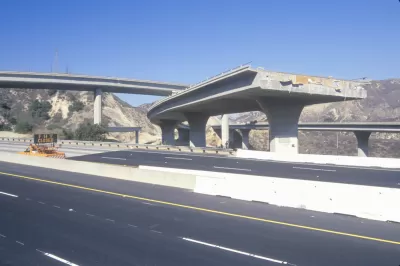
In partnership with the 100 Resilient Cities network, the Office of Los Angeles Mayor Garcetti released a long-term resiliency strategy addressing climate adaptation, green infrastructure, and more, with targets ranging from the end of 2018 to 2043.
Resilient Los Angeles focuses in large part on earthquake safety, including a proposal to require mandatory retrofits for steel buildings built before 1994. The city is currently making slow but steady progress on bringing soft-story and concrete buildings into compliance with seismic safety standards.
As part of the plan, the city would also work with neighborhood councils to create disaster readiness plans for more localized hazards. For example, "Venice would likely focus on sea-level rise, while the Hollywood Hills would probably make mudslides the priority," Rachel Dovey explains in Next City.
Other major goals include reaching a target of 65 percent renewable energy by 2036; investing in green infrastructure and stormwater capture; and mitigating urban heat island effect with neighborhood-level cooling projects.
FULL STORY: Los Angeles Releases Resilience Strategy

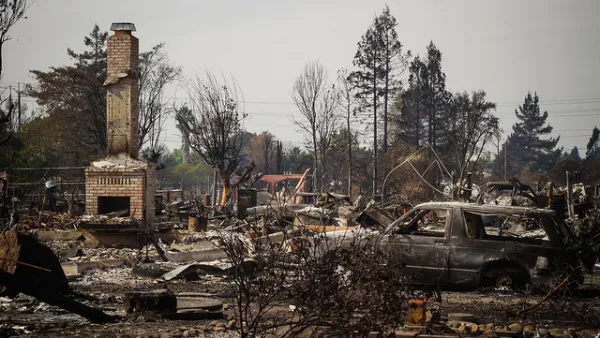
Lessons on Resilience and Recovery from 2017's Worst Disasters
Dissecting successful disaster response in places like Houston and Mexico City could help California prepare for the inevitable.
Garcetti Proposes "Chief Resilience Officer" to Tackle L.A.'s Earthquake Preparedness
Recent controversies have called into question whether Los Angeles officials have done all they can to prepare the city for its next big earthquake. Mayor Eric Garcetti is making earthquake preparedness a top priority.
Op-Ed: Seattle Resilience Roadmap Feels 'Retrospective'
Natalie Bicknell notes several deficiencies in the roadmap that resulted from Seattle's participation in the Rockefeller Foundation's now-defunct 100 Resilient Cities program.

Planetizen Federal Action Tracker
A weekly monitor of how Trump’s orders and actions are impacting planners and planning in America.

The state-sanctioned urbicide of Austin
People don’t kill cities. Freeways do.

US to reduce Colorado River water deliveries to Mexico
A new Colorado Treaty amendment reduces Mexico’s Colorado River water allocation by 250,000 acre feet.

Amtrak not solely to blame for New Jersey commuter rail's unreliability, report finds
A new study from the Garden State initiative found that NJ Transit’s budget grew 20% across a 4 year period, but reliability declined significantly over the same period.

EPA erases limits on planet-warming pollution from power plants
Under Monday’s plan, power plants would still have some limits on how much mercury, arsenic and other contaminants they can emit.

Phoenix announces new on-demand transit service, more frequent RAPID buses
Both new services will launch in October, and are part of Phoenix's Project Effective Access Solutions for Easing Congestion.

FREE Course: Walkable City 1: Why Walkability?
After describing his path towards focusing on walkability as the essence of good planning, Jeff Speck marches through his five principal reasons for making more walkable places.
Reinventing Malls: Planning Alchemy—Turning Gray Fields Into Gold
The course focuses on the opportunities and imperatives that shape reinvention of mall sites.

Eagle County Government
Harvard University Graduate School of Design
Nashville Planning Department
The Architects Foundation
University of Cincinnati Online
The Pocatello Development Authority
The Urban Renewal Agency of the City of Pocatello
Journal of the American Planning Association