How many now-classic design features are actually tax-avoidance strategies?



On the 99% Invisible blog, producer Kurt Kohlstedt shares how, "from basic materials to entire architectural styles, building codes and taxation strategies have had huge historical impacts on the built world as we know it."
Some of the world's most celebrated vernacular architecture may in fact be the "product of regulation and taxes as much aesthetic tastes." For example:
- Paris's mansard roofs started in part as a means for builders to optimize space under height limitations dating from 1783. "The limit was based on measuring up to the cornice line, leaving out the roof zone above," Kohlstedt explains.
- The narrow shape of Dutch canal houses was encouraged by a tax that targeted canal frontage. Efforts to avoid that tax produced a ripple effect, Kohlstedt notes: "This typology evolved narrower staircases, necessitating exterior hoist systems to move furniture and goods into and out of upper floors."
On the blog, 99% Invisible shares more examples of regulation-driven architecture from around the world—and debunks fabled design genealogies that turn out to be myths.
FULL STORY: Vernacular Economics: How Building Codes & Taxes Shape Regional Architecture


DC energy efficiency rule requires buildings to upgrade their infrastructure or face millions in fines
Building owners and condo co-op members say the upgrades are often prohibitively expensive.
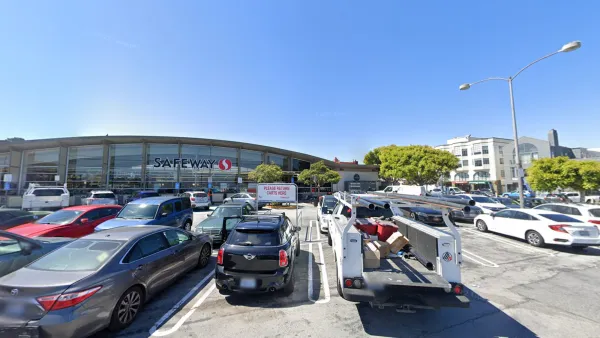
Debate over proposed 800-unit tower in San Francisco reveals generational divide in the housing crisis
Residents of the Marina District are up in arms over a proposed housing development above a Safeway store.

8-story tower is San Francisco's first project approved under new upzoning rules
Some neighbors call the project out of scale for the area, which has not grown beyond two- and three-story buildings in decades.

Planetizen Federal Action Tracker
A weekly monitor of how Trump’s orders and actions are impacting planners and planning in America.

The state-sanctioned urbicide of Austin
People don’t kill cities. Freeways do.

US to reduce Colorado River water deliveries to Mexico
A new Colorado Treaty amendment reduces Mexico’s Colorado River water allocation by 250,000 acre feet.

5 New England states march closer to 800 megawatt wind energy project
Securing federal approval for the project may be complicated under the Trump administration, which has historically been hostile towards domestic wind power.

Baltimore to break ground on $50 million Transit Priority Project
The project will bring faster bus trips, safer streets and better bike connections to Baltimore.

Airbnb launches $250 million 'last-dollar financing' housing accelerator, makes first investment in Austin
The company will put $6.4 million towards affordable housing development in Texas’ capital.

FREE Course: Walkable City 1: Why Walkability?
After describing his path towards focusing on walkability as the essence of good planning, Jeff Speck marches through his five principal reasons for making more walkable places.
Reinventing Malls: Planning Alchemy—Turning Gray Fields Into Gold
The course focuses on the opportunities and imperatives that shape reinvention of mall sites.

Eagle County Government
Harvard University Graduate School of Design
Nashville Planning Department
The Architects Foundation
University of Cincinnati Online
The Pocatello Development Authority
The Urban Renewal Agency of the City of Pocatello
Journal of the American Planning Association